남아시아사회

[로힝야 위기 9년] 미얀마, 단 한 명도 송환 안해…콕스바자르 숲 8000에이커 사라져

방글라데시 콕스바자르 쿠투팔롱-발루칼리 난민촌의 로힝야 어린이들. 장기화된 난민 생활 속에서 식량·보건 문제에 직면하고 있다. (사진=WHO)

유엔·국제사회 중재에도 귀환 실패…무장단체 갈등·식량 지원 감소로 난민 100만 명의 불안 계속

2017년 8월 25일 미얀마 라카인주 군부 작전을 피해 시작된 로힝야족의 방글라데시 유입 사태가 9년을 맞았다. 유엔과 국제사회의 다양한 중재와 노력이 이어졌지만, 지난 9년 동안 단 한 명의 로힝야도 안전하게 미얀마로 돌아가지 못했다. 오히려 라카인주에서 아라칸군(Arakan Army)과 미얀마군 간 충돌이 격화되면서 최근 2년 사이 15만 명 이상의 로힝야가 추가로 방글라데시 콕스바자르로 유입됐다.

현지 주민들은 지난 9년 동안 로힝야 난민촌 내 무장단체들이 세력 확대를 위해 활동하면서 갈취와 마약 밀매 등이 급증했다고 전했다. 무장단체 간 충돌로 일반 로힝야 주민들이 공포 속에 생활하는 것은 물론, 국제 구호단체 관계자들도 안전 위협에 노출되고 있다. 방글라데시 경찰에 따르면 올해 첫 8개월 동안 난민촌에서 살인, 마약, 납치, 성폭력 등과 관련해 250건 이상의 사건이 접수됐다.

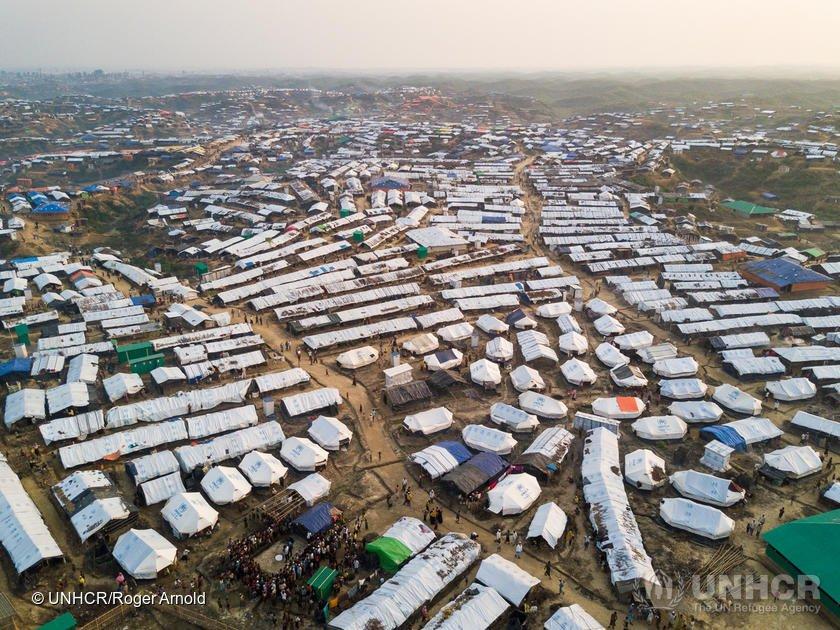
방글라데시 콕스바자르 로힝야 난민촌. 2017년 대규모 탈출 이후 형성된 난민 정착지 모습. (사진=UNHCR)

한편 국제사회의 지원 감소로 유엔 세계식량계획(WFP)은 로힝야 난민 1인당 월 식량 지원 규모를 기존 12.5달러에서 6달러로 줄였다. 유엔난민기구(UNHCR)와 방글라데시 난민구호·송환 담당 기관 관계자들은 추가적인 지원 삭감이 이뤄질 경우 여성과 아동을 중심으로 영양실조와 산모 사망 위험이 커질 수 있다고 경고했다.

또 다른 보고서에 따르면 지난 9년 동안 콕스바자르 우키아(Ukhia)와 테크나프(Teknaf) 지역에서는 난민 정착과 땔감 확보를 위한 벌목, 산림 훼손 등으로 약 8000에이커(약 32㎢)의 숲이 사라졌다. 이는 지역 생물 다양성에도 심각한 위협이 되고 있다. 전문가들은 지난 9년 동안 양국 간 여러 차례 협의와 송환 대상자 명단 작성이 있었지만 실제 귀환은 단 한 건도 이뤄지지 않았다고 지적했다.

방글라데시는 지금까지 82만8824명의 로힝야 관련 정보를 미얀마 측에 전달했다. 미얀마는 이 가운데 42만6545명의 정보를 검증했으며, 이 중 38만8797명을 라카인 지역의 과거 거주자로 인정했다고 밝혔다. 그러나 미얀마 정부는 최근 성명을 통해 라카인주의 안보 상황이 개선되기 전까지 누구도 송환하지 않겠다는 입장을 밝혔다.

다카에서 열린 국제구호위원회(IRC) 주최 로힝야 위기 9주년 행사에서 전문가들은 국제사회가 로힝야 귀환을 위해 공동 대응해야 한다고 강조했다. 국제 구호기관 관계자들은 이날 행사에서 국제사회의 관심이 다른 분쟁으로 이동하고 지원금이 줄어드는 상황에서 로힝야 위기에 대응하기 위한 새롭고 통합적인 전략이 필요하다고 밝혔다.

전문가들은 로힝야 사태가 9년이 지나도록 송환이 시작되지 않은 세계 최장기 난민 위기 중 하나가 됐다고 평가했다. 이들은 △라카인 지역의 안정 회복 △미얀마에 대한 지속적인 국제 압박 △제3국 재정착 기회 확대 등 세 가지 방향이 동시에 추진돼야 한다고 강조했다.

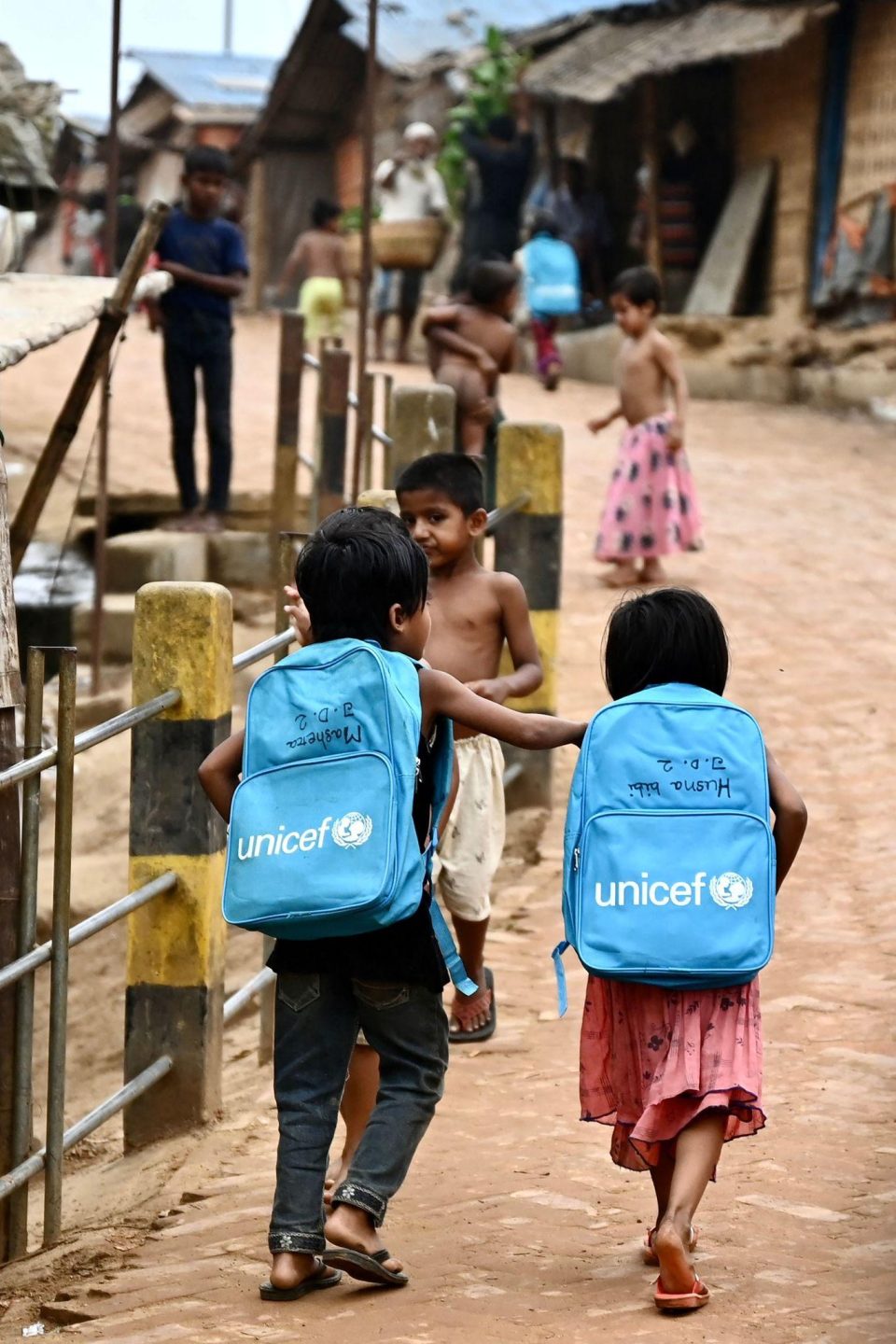
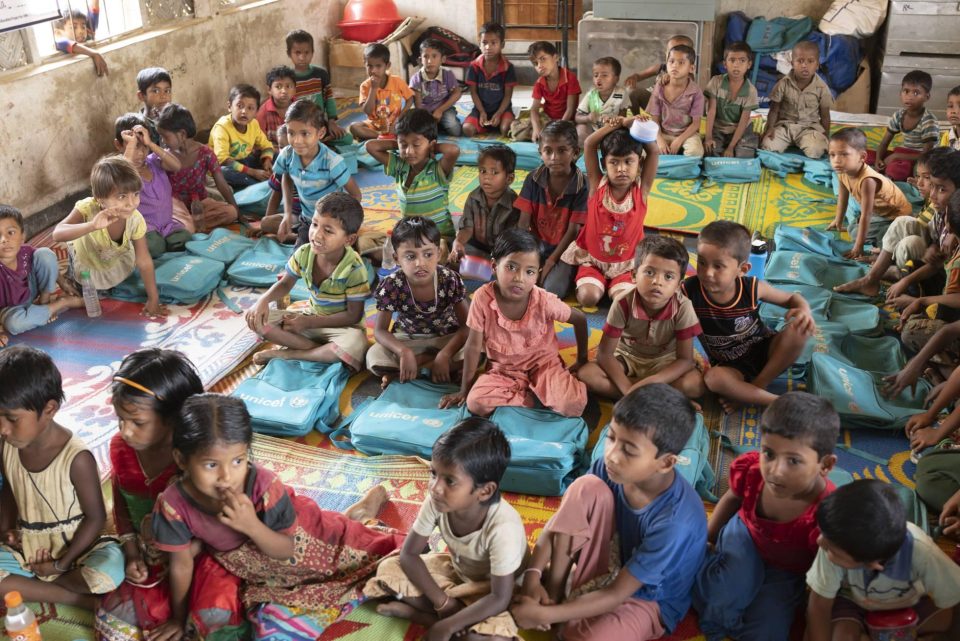
로힝야 난민촌에 희망을 <사진 유니세프>

다음은 영어 기사 전문.


Myanmar has not taken back a single Rohingya in 9 years; 8,000 acres of forest destroyed in Cox’s Bazar

By Bhanu Ranjan Chakraborty, Dhaka, Bangladesh

The Rohingya refugee crisis, which began on August 25, 2017, when hundreds of thousands fled Myanmar’s military operations in Rakhine State and crossed into Bangladesh, has entered its ninth year. Despite repeated initiatives by the United Nations and the international community, not a single Rohingya has been safely repatriated to Myanmar during this period.

Instead, as fighting between the Arakan Army and the Myanmar military has intensified in Rakhine State, more than 150,000 additional Rohingya have arrived in Cox’s Bazar over the past two years.

Local residents say that during the past nine years, armed groups operating in the Rohingya camps have expanded their influence through activities including extortion and drug trafficking. Ordinary Rohingya refugees have been living in fear amid clashes between armed groups, while humanitarian workers have also faced growing security concerns.

According to police data, more than 250 cases involving crimes such as murder, drug-related offences, kidnapping and sexual violence were filed in the first eight months of this year.

Meanwhile, the United Nations World Food Programme (WFP) has reduced monthly food assistance for Rohingya refugees from US$12.50 to US$6 per person due to declining international donations.

Officials from the Office of the United Nations High Commissioner for Refugees (UNHCR) and Bangladesh’s Refugee Relief and Repatriation Commission have warned that further cuts in assistance could increase the risks of malnutrition and maternal deaths, particularly among women and children.

A report has also found that around 8,000 acres of forest land have been lost in Cox’s Bazar’s Ukhia and Teknaf areas over the past nine years due to deforestation, tree clearing, settlement expansion and firewood collection. The environmental damage is threatening local biodiversity.

Experts say that despite several rounds of bilateral talks and the preparation of repatriation lists, no Rohingya refugee has actually returned to Myanmar.

Bangladesh has provided Myanmar with information on a total of 828,824 Rohingya refugees through several rounds of verification efforts. Myanmar says it has verified information on 426,545 people, of whom 388,797 have been recognized as former residents of Rakhine State.

However, the Myanmar government recently stated that no repatriation would take place until security conditions in Rakhine improve.

At an event organized by the International Rescue Committee (IRC) in Dhaka to mark the ninth anniversary of the Rohingya crisis, experts called for stronger cooperation from the international community to achieve a safe and dignified return of the refugees.

Representatives of international humanitarian organizations said that a new and coordinated strategy is urgently needed as global attention has shifted to other crises and funding for Rohingya assistance has declined.

Experts say the Rohingya crisis has become one of the world’s most protracted refugee crises, with repatriation still not having begun after nine years.

▼ 아시아엔 후원계좌 ▼
독자 여러분의 소중한 후원은 아시아엔과 아시아 저널리즘의 발전에 크게 도움이 됩니다.
우리은행 1005-601-878699 (주식회사 아자미디어앤컬처)

필자의 다른 기사

Leave a Reply

Your email address will not be published. Required fields are marked *

본 광고는 Google 애드센스 광고이며, 본 사이트와는 무관합니다.
Back to top button
AI 에이전트