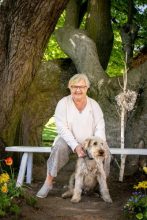
독일 통일 35주년을 맞아 아시아엔은 통일 전후를 직접 경험한 독일 시민들의 회고를 연재하고 있다. 이들은 분단과 장벽 붕괴의 순간뿐 아니라, 그 이후 수십 년에 걸친 사회 변화와 개인적 성장을 통해 통일의 본질이 무엇인지, 그리고 한반도가 얻을 수 있는 교훈이 무엇인지 생생히 전하고 있다. 이번 편에서는 옛 서독 지역 킬에서 자란 54세 회계사 토마스 페테르젠(Thomas Petersen)의 이야기를 담았다. 그는 동독에 대한 어린 시절의 막연한 이미지, 1989년의 감격, 그리고 한국이 통일을 준비할 때 반드시 유념해야 한다고 강조하는 원칙을 담담하게 들려준다. <편집자>
페테르젠에게 동독은 먼 이야기였다. 부모의 설명이나 학교 수업에서 간접적으로만 존재하는 가상의 공간처럼 느껴졌다. 그의 첫 경험은 10대 중반에 학교 여행으로 베를린을 방문했을 때였다. 동독 지역을 통과하며 25마르크를 강제 환전해야 했고, 물건이 지나치게 싸서 돈을 쓰기도 어려웠으며, 동독 화폐를 서독으로 가져갈 수도 없었다. 처음엔 낯설고 긴장됐지만, 시간이 지나면서 묘한 친숙함도 느꼈다. 그럼에도 이질감은 분명했다.
1989년 베를린 장벽 붕괴는 그의 인생에서 가장 선명한 장면으로 남았다. “트라반트를 타고 국경을 넘는 사람들, 서로 껴안으며 울던 장면들, 온 도시를 가득 채운 환호성… 아직도 잊을 수 없습니다.” 그는 당시 19세였고, 친구들과 디스코텍에 있던 자정 무렵 서독 가수 서스턴하겐의 ‘자유(Freiheit)’가 흐를 때 온몸이 떨렸다고 기억한다. 두려움보다 기쁨이 훨씬 컸고, 모두가 새로운 시대의 문을 직접 열고 있다는 벅찬 감정이 압도했다.
통일 이후 그의 삶도 예상치 못한 방향으로 확장되었다. 첫 여자친구는 북동독 뤼겐섬 출신이었고, 이는 장벽이 존재했다면 결코 생길 수 없는 인연이었다. 새로운 친구, 새로운 친척, 새로운 인간관계들이 동서독 경계를 넘나들며 자연스럽게 생겼다. 페테르젠은 “진짜 통일은 문서나 제도가 아니라 사람과 사람의 만남에서 이루어진다”고 말했다.
그는 독일이라는 나라를 사랑하는 이유로 민주주의, 표현의 자유, 이동의 자유, 그리고 사회적 안전망을 꼽는다. 독일 북부 해안의 폭풍우, 발트해의 바람, 북프리지아 지역 특유의 문화, 비케(Biike) 축제와 전통 음식은 그에게 ‘집’의 감각을 여전히 강하게 준다.
한국에 대한 조언을 묻자 그는 단호하면서도 조심스러운 목소리로 말한다. “독일의 가장 큰 실수는 경제적 격차 해결만으로 모든 것이 정리될 것이라 생각한 것입니다. 그러나 진짜 비용은 사회적 결속을 만드는 과정에 들죠.” 그는 통일이 급격히 이뤄질 경우 경제적으로 약한 지역이 압도되거나 정체성 갈등이 심화될 위험을 경고하며, 단계적 접근이 핵심이라고 강조했다. “독일에서는 동·서독 정체성이 너무 빨리 낙인찍혔습니다. 한국은 절대 그래서는 안 됩니다.” 통일은 정치적 결정이 아니라 “사람들의 공동 프로젝트”이며, 존중과 인내가 그 바탕이라고 말했다.
그는 한반도 통일이 가져올 이점도 분명하다고 본다. 이산가족의 고통이 해결되고, 북한 주민들이 자유와 기본권을 누릴 수 있으며, 남한의 기술력과 북한의 자원·인력이 결합해 강력한 경제권이 형성될 것이라고 전망한다. 동아시아 군사적 긴장이 완화되고, 국방비가 교육·인프라 등 생산적 분야로 전환될 가능성도 높다고 보았다. 나아가 한반도는 세계 분단국가들의 상징적 희망이 될 수 있다고 그는 말했다.
그가 말하는 평화는 단순한 갈등 부재가 아니다. “평화는 서로를 받아들이는 데서 시작됩니다.” 가치 판단을 앞세우지 않고, 차이를 인정하고, 대화를 통해 균형점을 찾을 때 비로소 평화가 자리를 잡는다는 것이다. 그는 “평화란 다양성을 수용하고 서로에게 존엄을 허락하는 능력”이라고 강조했다.

Beyond the Fall of the Wall: What Germany’s Experience Teaches About Healing a Divided Peninsula
By Hassan Humeida
As Germany commemorates 35 years since reunification, AsiaN continues its series sharing the voices of citizens who lived through the remarkable social and political transformation that reshaped the nation. Their experiences reveal not only the dismantling of a physical barrier but also the long and complex emotional journey of rebuilding a shared identity. These reflections speak to other divided regions as well, including the Korean Peninsula. In this installment, Thomas Petersen, a 54-year-old accountant from Kiel in the former West Germany, describes his distant yet curious view of East Germany during childhood, the overwhelming joy of 1989, and the lessons he believes Korea must consider carefully.
For Petersen, the GDR was an abstraction throughout his youth—something learned from textbooks, teachers, and his parents. His first direct encounter came during a school trip to Berlin in his mid-teens. Passing through East German territory required the mandatory exchange of 25 Deutschmarks, and he recalls how difficult it was to spend the money because everything seemed extraordinarily cheap. The rules forbidding East German currency from being taken back to the West added to the sense of unfamiliarity. What began as an unsettling experience slowly grew into curiosity and a surprising sense of closeness, even though profound differences remained.
The fall of the Berlin Wall in 1989 is etched in his memory with absolute clarity. “Seeing people cross the border in their Trabis, hugging strangers, crying, cheering… it was unforgettable.” Petersen was 19 at the time, and he remembers being at a disco when Westernhagen’s song “Freiheit” began playing at midnight. The emotion of that moment, he says, was indescribable. Fear and uncertainty were eclipsed by a deep, collective joy—a sense that an entire generation was witnessing history unfold in real time.
Reunification also brought personal changes he could never have imagined. His first girlfriend was from the island of Rügen in the former East—a connection that would have been impossible before 1989. New friendships and extended family ties formed across what had once been an impenetrable border. Petersen believes these human connections, more than legal or political processes, represent the true heart of reunification.
He holds a deep affection for Germany today, valuing its democracy, freedom of movement, freedom of expression, and robust social welfare system. The Baltic coastline, North Frisian traditions, the storms rolling in from the sea, Biike fires, tea and grog, and regional dishes all shape his enduring sense of home.
When reflecting on Korea, Petersen stresses that reunification must respect identity and proceed gradually. “The biggest mistake Germany made was believing economic alignment alone would fix everything. The real cost is building social cohesion.” A rapid, one-sided integration risks overwhelming the weaker economy and deepening identity conflicts. He warns that Germany’s stigmatization of “East” and “West” identities happened far too quickly and urges Korea not to repeat that error. Reunification, he believes, is a long-term social project grounded in dignity, patience, and respect.
Petersen sees tremendous potential in a unified Korea: the healing of divided families, the expansion of basic freedoms to the North, the merging of South Korea’s technological strength with Northern resources, reduced military tensions in East Asia, and the possibility of redirecting defense spending toward development. He believes Korea could become a global symbol of reconciliation for other divided nations.
For Petersen, peace begins with accepting others and recognizing diversity. It requires openness, dialogue, compromise, and the willingness to move beyond rigid views. Peace, he concludes, is not the absence of conflict but the presence of mutual respect.
▼ 아시아엔 후원계좌 ▼