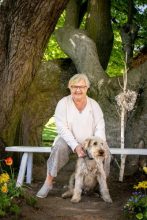
82살 알무트 헨첼이 들려주는 독일 통일의 체험과 희망
독일이 베를린 장벽 붕괴 이후 35년의 통일을 기념하는 가운데, AsiaN은 통일의 과정을 직접 살아낸 독일 시민들의 목소리를 전하는 특별 인터뷰 시리즈를 이어가고 있다. 그중에서도 올해 82세가 된 알무트 헨첼은 독일 분단과 탈출, 재회, 그리고 통일 이후의 변화까지를 온몸으로 겪어낸 인물이다. 전직 비상임 판사이자 조정인으로 활동한 그는, 한 개인의 삶 속에 녹아든 독일 현대사의 굴곡을 차분히 증언한다.
헨첼은 함부르크 북쪽의 작은 농촌 마을에서 성장했다. 어린 시절 그의 일상은 동서독 대립과는 크게 닿아 있지 않았다. 1962년 베를린 장벽이 세워졌을 때조차, 그 사건은 그의 평범한 일상을 흔들지 못한 채 지나갔다. 그러나 그의 삶은 1966년, 동독 출신 ‘난민’이었던 남편과 결혼하면서 완전히 다른 방향으로 접어들었다.
남편 호르스트는 1940년 브레슬라우에서 태어났다. 2차대전 말기 러시아 군에 의해 가족과 함께 강제 이주를 당했고, 이후 자알레 강변의 바이센펠스에서 열악한 삶을 이어갔다. 남편의 아버지는 서독에 있는 친척의 주소를 어렵게 알아내 서독으로의 탈출을 결심했고, 1947년 가을, 허름한 자전거를 타고 하르츠산맥을 넘어 하노버로 향했다. 그는 미군을 통해 구한 나일론 스타킹을 팔아 생계를 유지하며 가족을 데려올 준비를 했다.
그해 12월 31일, 혹한의 밤, 일곱 살 소년이던 호르스트는 어머니와 함께 밀수꾼의 도움을 받아 눈 덮인 산맥을 넘었다. 기관총으로 무장한 러시아 군의 순찰을 피해가며 가진 돈은 50마르크와 초콜릿 한 조각뿐이었다. 기적처럼 가족은 하노버에서 다시 만났다. 헨첼은 “그 시절 서독 탈출은 말 그대로 생사를 건 도박이었고, 성공한 사람들은 극히 드물었다”고 회고한다.
이후 시아버지는 동독에 남은 친척들과의 끈을 끊지 않았다. 그는 커피, 초콜릿, 세면도구, 나일론 스타킹 같은 당시로서는 귀한 물품을 들고 기차를 타고 동독을 오갔다. 1970년대 이후에는 헨첼 부부와 두 아이도 마그데부르크 국경을 넘어 바이센펠스를 찾기 시작했다. 국경검문소에서 밀수품이 발견될지 모른다는 불안 속에서 매번 심장이 내려앉는 듯한 긴장을 견뎌야 했다.
1989년, 통일의 해. 처음으로 ‘트라반트’ 자동차들이 서쪽 도로를 달리던 모습을 본 헨첼은 눈물을 멈출 수 없었다. 그는 “그때 비로소 번영이 동쪽에도 도착하고 있다는 것을 실감했다”고 말했다. 그러나 곧 서독 사회에서는 반대의 감정도 고개를 들기 시작했다. 일자리와 주택, 유치원 자리에서 서쪽 주민들이 불이익을 느끼며 불만이 확산됐다. 재건 자금이 모두 동독으로만 흘러간다는 인식도 팽배해졌다.
그럼에도 1989년 11월, 헨첼 가족은 동·서독 친척들이 모두 모이는 가족 통일 행사를 열었다. ‘수십 년간 찢어진 헨첼 가문의 재통합’이라는 이름의 작은 축제였다. 성인 1인당 10마르크의 ‘환영금’, 첫 맥도날드 방문, 하노버 마르크트키르헤의 크리스마스 시장에서 맡았던 볶은 아몬드 향은 지금도 잊히지 않는 기억으로 남아 있다.
지난 30여 년 동안 그가 사는 마을도 크게 달라졌다. 2000년 세계박람회 이후 이곳은 도시 외곽의 주거지로 변했고, 마을은 세 배로 커졌다. 학교, 병원, 교통 인프라는 확충됐지만 생활비 역시 크게 올랐다. 그는 “서독 여성의 경제활동 참여율이 동독 수준에 가까워졌고, ‘전업주부’라는 개념은 사실상 역사 속으로 밀려났다”고 말한다.
헨첼이 사랑하는 독일은 네 계절이 뚜렷한 나라다. 그는 민주주의 체제와 사회보장 시스템에 깊은 신뢰를 보낸다. 하지만 한편으로는 경제 성장의 둔화와 사회 전반의 정체감도 우려한다. “30년 전의 상승 에너지가 지금은 눈에 띄게 약해진 것 같다”는 것이다.
그는 독일 통일의 경험이 한반도에도 중요한 메시지를 전할 수 있다고 믿는다. 남과 북이 하나의 언어, 하나의 화폐, 서로 다른 분단의 기억을 존중하는 공동의 문화 속에서 다시 ‘익숙한 공간’을 만들어가야 한다는 것이다. 그는 “가족 간의 유대처럼 인간적인 신뢰를 회복하는 데는 인내와 깊은 존중이 반드시 필요하다”고 강조한다.
한반도 통일이 이루어진다면 경제·사회적 시너지가 나타날 것이며, 북한의 핵 위협 또한 사라질 가능성이 있다고 그는 조심스럽게 전망한다. 나아가 그는 관용과 존중이 세계 평화의 출발점이라고 말한다. 피부색, 성별, 종교는 차별의 기준이 아니라 존중의 대상이 되어야 하며, 누구도 삶의 방식 때문에 박해받아서는 안 된다는 것이다.
그가 말하는 세계 평화의 조건은 분명하다. “지구가 모든 인류를 먹여 살릴 수 있는 지속가능한 발전이 이루어질 때, 사회는 폭력과 갈등 없이 진정한 번영을 누릴 수 있다.” 독일 통일의 체험은 그의 삶을 넘어, 오늘의 세계가 다시 새겨야 할 화해와 공존의 교훈으로 남아 있다.(끝)

Bridging East and West: A Life Shaped by Division, Flight and Reunification
By Hassan Humeida
As Germany marks the 35th anniversary of its reunification following the fall of the Berlin Wall, AsiaN continues its special series featuring voices that witnessed and lived through the country’s long journey from division to unity. Among them is 82-year-old Almut Hentschel, a former lay judge and arbitrator whose life story captures the human dimension of Germany’s most defining chapter. Her account is not only a personal reflection but also a reminder that reconciliation begins within individuals and families long before it becomes a historical event.
Hentschel grew up in a small agricultural village north of Hamburg, far removed from the political conflict that shaped the East–West divide. Even the construction of the Berlin Wall in 1962 barely disrupted her daily life. Everything changed, however, in 1966 when she married a “refugee” from the former German Democratic Republic (GDR), an experience that opened her eyes to the hardships endured by those separated by ideology and politics.
Her husband Horst was born in Breslau in 1940. As the war neared its end, Russian forces expelled his family, who then settled in cramped quarters in Weißenfels on the Saale River. Horst’s father, determined to seek freedom, secretly obtained the address of a cousin in West Germany and—after meticulous planning—set out on a modest bicycle across the Harz Mountains to Hanover in the autumn of 1947. There, he survived by selling nylon stockings, a rare and lucrative commodity at the time, supplied by American soldiers.
On New Year’s Eve of 1947, seven-year-old Horst fled to the West with his mother, crossing the snow-covered Harz Mountains with the help of smugglers while Russian soldiers patrolled the border with machine guns. They carried only 50 marks and a bar of chocolate. The family’s reunion in Hanover seemed nothing short of miraculous, and Hentschel recalls being told repeatedly how extraordinarily lucky such escapees were during that era.
In the years that followed, Horst’s father maintained strong ties with relatives in Weissenfels, Halle, and Leipzig, regularly visiting them with coveted goods such as coffee, chocolate, toiletries, and nylon stockings. From the 1970s onward, Hentschel, her husband, and their two children also travelled across the Magdeburg border crossing to visit family in the GDR. Each trip was fraught with anxiety, as border guards meticulously searched vehicles for prohibited items. She vividly remembers the day they accidentally left Italian travel brochures in their car—resulting in a complete dismantling of the vehicle by border officers. Yet she still smiles when recalling the clever idea of hiding wedding rings in a sponge cake to send to relatives in East Germany.
When the first Trabbis—the iconic East German Trabant cars—appeared on West German roads in 1989, tears filled her eyes. “It felt as if prosperity had finally reached the East,” she said. But reunification also exposed growing frustration among West Germans. Competition for jobs, housing, and childcare intensified, and many felt that reconstruction funds flowed disproportionately eastward.
Still, the fall of the Wall was a moment of profound celebration for the Hentschel family. In November 1989, they held a private family reunion titled “The Reunification of the Hentschel Families, Torn Apart for Decades.” Hentschel cherishes memories of “welcome money,” the family’s first visit to McDonald’s, and a glittering Christmas market around Hanover’s Marktkirche filled with the scent of roasted almonds.
Over the past three decades, the village where she has lived since 1972 has been transformed. Since the 2000 World Expo, it has become a suburban hub, tripling in size as schools, kindergartens, transportation systems, and medical services expanded—along with the rising cost of living. She notes that employment rates for women in former West Germany have grown closer to those in the East, and the traditional Biedermeier-era notion of a “housewife at home” has largely faded from German society.
What she values most about Germany today is its four distinct seasons, its punctuality and reliability, and above all, its democratic system and social safety net. “Large segments of the population can live with peace of mind,” she said. But she also senses a stagnation in recent years: “The momentum of economic and social progress that began 30 years ago has slowed.”
Drawing from Germany’s experience, Hentschel believes the Korean Peninsula can one day walk its own path toward unity. She imagines North and South Koreans reconnecting through shared language, shared currency, and shared cultural memories—rebuilding familiarity through family traditions, sports, music, art, and open dialogue. “Reunification requires patience and deep mutual respect,” she emphasizes.
A unified Korea, she suggests, could unlock economic and social synergies—and potentially eliminate the nuclear threat from the North.
For Hentschel, tolerance is the foundation of peaceful coexistence. “Skin color, gender, or religion must never be grounds for persecution,” she said. Respect, to her, means valuing another person’s beliefs without prejudice—“worldwide.”
She envisions global peace built on sustainable development, enabling the Earth to feed all people and allowing societies to flourish free from conflict and violence. Her life story—marked by loss, courage, reunion, and hope—offers a powerful reminder that bridging divides begins at home and remains one of humanity’s most essential tasks.
▼ 아시아엔 후원계좌 ▼