베를린 장벽 붕괴 35주년을 맞아 아시아엔은 독일 분단과 통일을 직접 겪은 이들의 증언을 전하는 특별 연재를 이어가고 있다. 이들의 이야기는 정치적 변화에 머물지 않고 개인의 삶과 감정, 인간관계의 변화 속에서 통일이 어떤 의미를 남겼는지를 비추며, 오늘의 세계에서도 화해와 통합이 가능하다는 사실을 일깨워준다. <편집자>
이번 회차의 주인공은 동독 라데보울 출신의 52세 시스템 엔지니어 잉고 울리히(Ingo Ulrich)다. 그는 억압 속에서 보낸 어린 시절, 통일을 바라보며 느낀 회의와 기대, 그리고 그 이후에 펼쳐진 더 넓은 세계를 통해 자유와 정체성, 그리고 한반도 통일에 필요한 성찰을 이야기한다.
억압의 시절을 통과한 성장기
울리히가 기억하는 동독은 규율과 통제가 지배하던 사회였다. 의견을 자유롭게 표현할 수 없었고, 체제에 협조하지 않으면 미래가 제한되었다. 그는 독일–소련 우호협회 가입을 거부했다는 이유로 대학 진학 기회를 박탈당했다. 이 경험은 이념적 충성이 개인의 능력보다 우선했던 시대를 상징한다.
통일의 순간: 기대보다 컸던 불안
1989년 이후 독일 사회가 거대한 변화를 맞았을 때 그의 감정은 단순한 기쁨이 아니었다. 자유가 실제로 어떻게 작동할지, 여행과 이동의 자유가 가져올 혼란은 어떨지 그는 의문을 품었다. 많은 이들이 그렇듯, 통일은 희망과 불안이 뒤섞인 낯선 현실이었다.
통일 이후의 삶: 넓어진 세계와 새로운 기회
그러나 통일은 그의 삶을 근본적으로 바꾸었다. 그는 대학에서 공부했고, 미국, 특히 캘리포니아에서 머물며 새로운 시각을 얻었다. 또 노르웨이를 포함한 여러 나라에서 사람들을 만나며 이전에는 상상조차 할 수 없었던 세계를 경험했다.
그는 통일 이후 많은 이들이 더 나은 삶을 누렸지만, 동시에 변화에 적응하지 못해 뒤처진 사람들도 적지 않았다고 말한다. 산업 구조의 변화는 일자리 상실과 사업 폐업을 낳았고, 이로 인해 사회적 격차가 남게 되었다는 것이다.
독일이 ‘집’으로 남는 이유
울리히는 독일의 사회 구조가 제공하는 안정성과 자유를 높이 평가한다. 잘 갖춰진 의료·교육 시스템, 예측 가능한 사회 질서, 그리고 무엇보다 자유롭게 말할 수 있는 권리는 그가 독일에서 안전과 소속감을 느끼는 이유다.
한반도가 배울 교훈: 완전한 통합은 어렵지만, 노력은 가능하다
그는 독일 통일의 핵심 교훈을 서로 다른 의견과 경험을 인정하는 태도에서 찾는다. 그러나 35년이 지난 지금도 독일 사회에는 동·서독의 심리적 간극이 남아 있다고 솔직하게 말한다. 따라서 한국에서도 완전한 통합을 목표로 하기보다는, 서로의 차이를 존중하고 수용하는 과정이 무엇보다 중요하다고 강조한다.
통일 한국이 얻을 수 있는 가능성
그는 하나의 통일된 국가는 더 명확한 비전과 공동의 목표를 향해 나아갈 수 있다고 본다. 단일한 체제와 정체성은 경제·사회·군사적 안정성을 강화하고 국제사회에서의 역할도 확대할 수 있다는 것이다.
평화로운 공존을 향한 길
울리히는 세계 평화를 위해 편견에서 벗어나 마음을 열고, 다른 문화를 배우고 존중하는 것이 첫걸음이라고 말한다. 모든 인간이 안전하게 살 수 있는 환경을 조성하고, 기후변화 대응과 미래 세대에 대한 책임을 다하는 것이 궁극적으로 평화의 토대라고 강조한다.
From Constraint to Freedom: An East German’s Lessons for the Korean Peninsula
By Hassan Humeida
As Germany marks 35 years since the fall of the Berlin Wall, AsiaN continues its series of interviews with Germans who lived through the era of division and witnessed reunification firsthand. Their reflections capture not only political transformation but the deeply personal shifts that accompany moments of historic change. Through these voices, AsiaN aims to remind readers across Asia and beyond that reconciliation, unity, and the bridging of divides remain possible in today’s world.
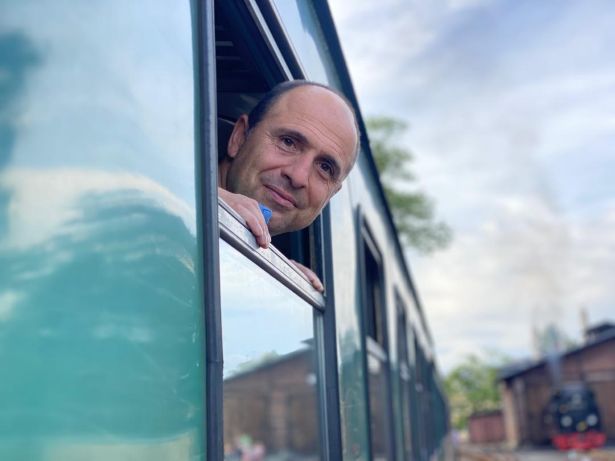
In this chapter, we meet Ingo Ulrich, a 52-year-old business information technologist and systems engineer from Radebeul in the former East Germany. His reflections reveal how a restricted childhood, initial skepticism, and later opportunities abroad shaped his understanding of freedom, identity, and what reunification can teach Korea.
Growing Up Under Restrictions
Ulrich recalls an environment where life was tightly controlled. Opinions could not be voiced freely, and conformity was expected. He was denied the opportunity to pursue university studies simply because he refused to join the German–Soviet Friendship Association, a reminder of how ideological loyalty often trumped merit in the GDR.
Reunification Arrives: Hope and Skepticism
When the winds of reunification swept through Germany, Ulrich did not feel immediate optimism. He remembers being skeptical about what freedom would actually look like and how society would handle newfound mobility, open borders, and political transitions. For him and many others, the uncertainty was as real as the hope.
A Wider World After 1990
The decades after reunification transformed Ulrich’s life in ways he could not have imagined. He pursued higher education, traveled extensively, and spent significant time in the United States—mostly in California. Friendships expanded across borders, including in Norway, opening him to worlds that had previously been inaccessible.
He observes that while many people flourished after reunification, others struggled to adapt. Job losses, business closures, and the demands of a changing economy left some unable to move forward. For Ulrich, this divide has remained one of reunification’s unresolved realities.
Why Germany Feels Like Home
Ulrich speaks with appreciation about the stability Germany offers: a functioning healthcare system, reliable education, social order, and, above all, the freedom to speak one’s mind without fear. These are the elements that make him feel secure and rooted.
Lessons for Korea: Acceptance and the Limits of Unity
Reflecting on Germany’s experience, Ulrich believes that reunification requires acceptance—acceptance of different histories, opinions, and ways of thinking. Yet he is candid: even 35 years later, traces of the East–West mental divide still linger. He doubts that any reunification, including Korea’s, will achieve perfect acceptance. What matters, he says, is the effort to embrace diversity of thought and experience.
What a Unified Korea Might Gain
A single Korean state, Ulrich argues, would be better positioned to pursue shared goals. One people, one nation could offer clearer pathways to prosperity, stability, and global engagement—just as Germans today see themselves as one people, regardless of their origins.
Toward a World of Respect and Openness
For Ulrich, peaceful coexistence begins with rejecting narrow-mindedness. Respecting other cultures and learning from them are essential steps toward global harmony. Peace and security, he concludes, must ensure that all people can live safely, contribute to addressing climate change, and build a better world for future generations.
▼ 아시아엔 후원계좌 ▼