독일이 베를린 장벽 붕괴 이후 35년을 맞은 올해, 아시아엔은 분단과 통일을 온몸으로 겪어낸 독일인의 목소리를 기록하는 특별 연재를 이어가고 있다. 이들의 증언은 거대 담론을 넘어, 각자의 삶 속에서 통일이 어떻게 체감되었는지, 어떤 변화와 감정이 수반되었는지를 보여준다. 이러한 기록은 분열과 갈등이 심화되는 세계 속에서 화해와 통합이 여전히 유효한 가치임을 일깨우는 데 목적이 있다. <편집자>
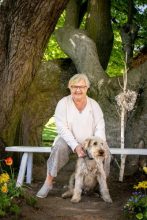
이번 편에서는 드레스덴 출신의 55세 교사 코르넬리아 피셔를 만났다. 그녀의 이야기는 통일이 개인의 삶에 어떤 흔적을 남겼는지, 그리고 그 경험이 한반도 통일 논의에 어떤 실질적 시사점을 줄 수 있는지 보여준다.
라이프치히의 성장기
피셔는 라이프치히에서 성장했다. 국제적 창구 역할을 했던 라이프치히 박람회는 어린 시절 그녀에게 특별한 기억으로 남아 있다. 방문객이 두고 간 초콜릿과 향수 샘플, 서독 화폐 몇 장은 당시로서는 상상하기 어려웠던 또 다른 세계를 보여주는 증거였다. 그러나 현실은 늘 회색빛 건물과 낡은 주거지로 이어졌다. 빗물이 새는 집이 흔했고, 새 아파트 배정을 받는 일은 큰 기쁨이었다.
청소년기에 접어든 그녀는 동독 매체가 전하는 정보와 서독 TV에서 접하는 현실 사이의 간극을 인지하기 시작했다. 자연스레 가족과 친구들 사이에서 논쟁이 오갔고, 자신이 사는 사회를 새 시각으로 바라보게 됐다.
1989년 대학생의 시선
1989년 베를린 장벽이 무너질 당시 피셔는 대학 2학년이었다. “매일 모든 것이 바뀌던 시절”이라고 그녀는 회상한다. 학교 식당의 식기가 하루아침에 바뀌고, 교육과정은 서독 방식으로 대체되었으며, 일상의 규칙 또한 새로운 체제로 빠르게 전환됐다.
그녀가 특히 기억하는 것은 잠시 동안 동독법도 서독법도 제대로 작동하지 않던 과도기였다. 위계가 사라지고, 사람들은 상식과 합의를 통해 결정을 내리며 서로를 동등하게 대했다. 그녀는 이를 “민주주의를 처음 체감한 순간”이라고 말했다.
통일 전 동독에서는 학생과 직업교육생에게 부모 소득과 무관한 월 정액의 생활비가 지급되었다. 규모는 작았지만 자립이 가능했다. 통일 후 서독식 학자금 제도가 도입되면서 부모 부담이 늘어났고, 많은 가정은 이를 퇴보로 여겼다.
통일 후 30년의 변화
1990년대는 동독인에게 가장 험난한 시기였다. 실업률 급증, 서독 기업의 인수와 공장 해체, 평생의 노동이 평가절하되었다는 감정이 사회 전반을 짓눌렀다. 그러나 세계여행의 자유와 새로운 경제적 기회는 과거에는 상상하기 어려웠던 가능성을 열어주었다. 시간이 흐르며 디지털화, 세계화, 대규모 이주가 독일 사회의 또 한 번의 변화를 이끌었다.
피셔는 독일의 자연·문화적 다양성, 사회안전망, 개인의 자유를 독일의 중요한 강점으로 꼽는다. 안정된 직업과 만족스러운 삶은 국가에 대한 긍정적 인식의 기반이 되었다고 말했다.
한반도 통일을 위한 교훈
피셔는 독일 통일의 핵심 교훈으로 경제력이 통일 이후의 정책 방향을 좌우해서는 안 된다고 강조한다. 약한 지역과 공동체가 일방적으로 흡수되거나 소외되는 방식은 반드시 피해야 한다는 것이다. 이를 위해서는 양측 주민의 삶의 성취를 인정하는 새로운 법적 틀이 필요하며, 통일 비용을 투명하게 공개하는 것이 사회적 신뢰 형성을 위해 필수적이라고 지적했다.
피셔는 조심스러운 전제와 함께 한반도 통일이 가져올 가능성을 언급했다. 가족 재결합의 실현, 군사적 안정의 강화, 북한 주민의 생활 여건 개선, 그리고 완만한 관광산업 발전과 같은 긍정적 변화가 가능하다고 전망했다.
세계적 공존의 조건
그녀는 지속 가능한 삶과 자원 절약의 중요성을 강조했다. 인권 존중, 성평등, 공정한 임금, 교육 접근성은 평화로운 사회의 필수 요소이며, 부패와 연줄주의를 없애는 노력도 중요하다고 지적했다. “모든 사람이 억압 없이 고향에서 안전하게 살고, 생계를 유지하며 교육과 의료, 문화를 누릴 수 있을 때 비로소 평화가 가능하다”고 그녀는 말했다.

Germany at 35: A Message for the Korean Peninsula
By Hassan Humeida
As Germany marks 35 years since the fall of the Berlin Wall, AsiaN continues its series documenting the voices of Germans who experienced division and reunification firsthand. Their reflections reveal how systemic changes were felt in daily life, how emotions shifted with political transformation, and what reunification meant beyond the official narrative. These testimonies remind us that reconciliation and unity are still possible in a world increasingly defined by division.
This installment features Cornelia Fischer, a 55-year-old teacher from Dresden. Her story illustrates how reunification shaped individual lives and offers important insights for the Korean Peninsula.
### Growing Up in Leipzig
Fischer grew up in Leipzig, a city whose trade fair provided a rare window into the outside world for East Germans. Visitors left chocolates, perfume samples, and small amounts of Western currency, all of which hinted at a distant reality far removed from everyday life. The gray housing blocks and leaking roofs of her neighborhood were normal to her then. Receiving a new apartment allocation was considered a genuine reason for celebration.
As she entered adolescence, Fischer began to notice the differences between what East German media reported and what she saw on West German television. This prompted discussions and debates within her family and circle of friends and opened her eyes to the limits of the society she lived in.
### A University Student in 1989
When the Berlin Wall fell in 1989, Fischer was a second-year university student. She recalls this time as a period when something changed every day. The cafeteria dishes were replaced overnight, curricula shifted toward the West German model, and daily life rapidly adjusted to a new order.
One transitional moment made a deep impression on her. For a brief period, neither GDR nor West German laws seemed fully in effect. Hierarchies loosened, and people made decisions based on common sense and mutual respect. She describes this as her first real experience of democracy.
Before reunification, students in East Germany received a modest monthly allowance regardless of parental income. After reunification, the West German system shifted financial responsibility back to parents, a change that many families felt as a setback.
### Three Decades of Transformation
The 1990s were especially difficult for East Germans. Rising unemployment, factory closures, and the sense that their life’s work had been undervalued created widespread frustration. Yet reunification also brought freedom of travel and new economic opportunities. Over time, digitalization, globalization, and migration reshaped German society once again.
### Why Germany Still Feels Like Home
Fischer values Germany’s natural diversity, cultural richness, social safety nets, and personal freedom. Stable employment and a fulfilling career have strengthened her sense of belonging.
### Lessons for Korean Reunification
Fischer emphasizes that economic power should not determine the direction of a unified state. No region or group should be marginalized or absorbed in a way that erases its achievements. A new legal framework that respects the life accomplishments of all citizens is essential. Transparency about the cost of reunification is also necessary to maintain social trust.
### Implications for Korea
She suggests that Korean reunification could support family reunions, strengthen military stability, improve living standards in the North, and foster sustainable tourism. These outcomes, however, depend on a careful and respectful approach.
### Toward Global Coexistence
For Fischer, peaceful coexistence requires sustainable living, respect for human rights, gender equality, fair wages, and universal access to education. Eliminating corruption and nepotism is also essential. Peace becomes possible, she says, when people can live safely in their homeland, free from repression, able to support their families, and with access to education, healthcare, and culture.
▼ 아시아엔 후원계좌 ▼