독일이 베를린 장벽 붕괴와 통일 35주년을 맞으며 아시아엔은 그 과정을 직접 경험한 시민들의 육성을 담은 특별 연재를 이어가고 있다. 장벽이 무너지고 하나의 국가가 다시 세워지는 과정은 단순한 제도 통합이 아니라 오랜 시간 마음속에 쌓인 불안과 희망, 상처와 기대가 뒤섞인 깊은 여정이었다. 이들의 증언은 독일만의 경험을 넘어, 여전히 분단을 겪고 있는 한반도에도 중요한 메시지를 던진다. <편집자>
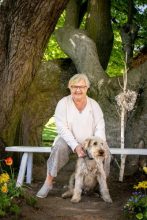
이번 편에서 만난 사람은 게토르프(옛 서독) 출신의 정치자문가 펠릭스 오버베크(59)다. 그는 통일 이전의 일상, 1989년의 감격, 그리고 지난 30여 년 동안 변화한 독일 사회를 되돌아보며, 한국이 어떤 방식으로 통일을 준비해야 하는지 자신의 통찰을 전한다.
그에게 통일 이전의 분단은 너무도 자연스러운 현실이었다. 1990년 통일 당시 스물네 살이었던 그는 동독과의 접점이 거의 없었다. 분단 국가에 살고 있다는 사실은 알고 있었지만, 장벽은 어릴 때부터 존재해왔고 동독은 그저 ‘멀리 떨어진 또 하나의 나라’에 가까웠다. 그렇기에 1989년의 거대한 변화는 말 그대로 상상조차 할 수 없던 일이었다.
장벽 붕괴 소식을 들었을 때 그는 말할 수 없는 기쁨을 느꼈다. 수십 년간 닫혀 있던 문이 갑자기 열리며 서로 다른 체제 속에서 살아온 사람들이 눈물과 환호 속에서 마주하는 장면은 평생 잊을 수 없는 감정이었다. 다만 그 당시에는 이후 찾아올 현실적 과제들—경제, 체제 조정, 사회 심리적 갈등—을 예상하지 못했다고 고백한다.
그는 통일 이후 자신의 삶이 “엄청나게 풍요로워졌다”고 말한다. 특히 1989년 이전에는 갈 수 없었던 동독 지역을 자유롭게 여행할 수 있게 된 점을 가장 큰 변화로 꼽았다. 드레스덴과 라이프치히 같은 도시들은 그에게 ‘새로운 독일’을 보여주었고, 서로 다른 역사와 문화를 담은 두 지역이 하나의 국가 안에서 어떻게 조화를 이루어 가는지를 경험하게 해주었다. 독일이라는 나라 자체도 더 다양하고 넓어진 공동체가 되었다.
그가 독일을 사랑하는 이유는 민주주의, 법치, 그리고 누구나 의료를 보장받을 수 있는 사회적 안전망 때문이다. 그러나 무엇보다 가족과 친구가 있는 곳, 사람과의 연결이 그에게 ‘독일이라는 집’을 의미한다고 말한다.
그는 독일 통일의 가장 큰 교훈은 “동등하지 않은 조건에서 출발한 통합은 필연적으로 상처를 남긴다”는 점이라고 강조한다. 당시 통일은 사실상 서독의 제도를 일방적으로 적용하는 방식으로 진행되었고, 동독의 경험과 장점을 제대로 포용하지 못한 부분이 컸다고 지적한다. 예컨대 동독의 발달된 보육 시스템이나 교통 시스템(‘좌회전 화살표’ 문화 등)이 통합 이후에야 뒤늦게 가치가 인정된 것처럼, 각 체제가 가진 장점을 존중하는 태도가 통일의 필수 요소라는 것이다. 한국이 통일을 추진한다면 두 체제의 강점과 문화적 차이를 동등하게 인정하고 결합하는 과정이 반드시 필요하다고 조언한다.
그는 한국 통일이 가져올 이점도 분명하다고 말했다. 남한의 기술력과 경제 역동성이 북한의 자원과 인적 역량과 결합한다면 아시아에서 매우 중요한 경제적 축으로 성장할 수 있으며, 이산가족의 상봉과 민족 정체성의 회복이라는 문화적 성취도 기대할 수 있다고 했다. 또한 동북아의 안정과 균형을 이루는 데도 통일 한국은 전략적으로 중요한 존재가 될 것이라고 전망했다. 무엇보다 군비에 투입되는 막대한 자원을 교육과 복지, 미래 산업으로 돌릴 수 있다는 점은 통일이 가져올 가장 직접적 혜택 중 하나라고 강조했다.
그는 세계 평화와 공존의 조건을 묻는 질문에 프란치스코회 수도자 리처드 로어의 문장을 인용했다. “당신의 삶은 당신만의 것이 아니다.” 이 구절은 관용과 존중이 어떻게 탄생하는지를 잘 설명한다는 것이다. 서로의 차이를 위협으로 보지 않고, 더 큰 공동체의 일부라고 이해하는 순간 진정한 존중과 공존이 시작된다고 했다. 이러한 태도는 가족, 이웃, 일상의 관계에서부터 시작되는 것이며, 개인의 성찰 없이는 어떤 사회도 평화로 나아갈 수 없다고 말했다.
마지막으로 그는 평화와 안보란 결국 “모든 사람이 존엄한 삶을 누릴 권리”라고 정의했다. 폭력이나 박해, 굶주림의 두려움 없이 살아갈 수 있는 세계야말로 진정한 평화의 조건이며, 한반도의 평화도 독일의 평화와 연결되어 있다고 덧붙였다. 글로벌 시대에 한 지역의 긴장은 곧 다른 지역에도 영향을 미치기 때문이다. 그의 목소리는 독일의 경험을 넘어, 오늘날 분단의 현실을 안고 있는 한국 사회에도 조용하지만 깊은 울림을 준다.

Respect, Balance, and Unity: What Germany’s Experience Can Teach the Korean Peninsula
By Hassan Humeida
As Germany commemorates the 35th anniversary of its reunification, AsiaN continues its special series featuring the voices of citizens who personally witnessed the country move from division to unity. Their reflections reveal a process far more complex than the removal of a physical barrier: reunification was an emotional, social, and historical journey that reshaped millions of lives. These stories resonate beyond Germany, offering meaningful lessons for the Korean Peninsula and other regions still facing division.
This installment features **Felix Overbeck**, a 59-year-old political advisor from Gettorf in former West Germany. He recalls life before reunification, the overwhelming joy of 1989, and the ways in which German society—and his own life—have evolved in the decades that followed. His reflections also offer a thoughtful perspective on what Korea should keep in mind if it envisions reunification in the future.
For Overbeck, the Wall was simply part of the world he grew up in. At the time of reunification he was twenty-four and had almost no personal contact with East Germany. The GDR existed in his mind as a faraway state—something he knew about but rarely thought about in daily life. The division was a given, a long-standing historical fact, rather than a painful condition demanding change.
When the Berlin Wall fell in 1989, however, he was swept up in a sense of elation that he still remembers vividly. The images of East and West Germans meeting, hugging, and crying together created what he describes as “a feeling of unrestrained hope.” He admits he had no idea then how difficult the integration process would become, but the moment itself remains one of the great emotional turning points of his generation.
Reunification, he says, enriched his life in countless ways. Above all, he treasures the freedom to travel across the former East German regions—places he could not visit before 1989. Cities like Dresden and Leipzig opened his eyes to a cultural richness he had never known. Germany also became a larger, more diverse country, strengthened by the experiences and perspectives of both East and West.
He expresses deep affection for Germany’s democratic order, its rule of law, and its social safety net—particularly the healthcare system that guarantees medical access for all. But for him, “home” is ultimately defined by human relationships: family, friends, and the bonds of community that anchor his life.
When asked what Korea should learn from German reunification, he does not hesitate. The biggest mistake, he says, was the absence of equality between partners. The unification process unfolded largely through the adoption of West German systems and values, leaving little room to honor East Germany’s social achievements. He emphasizes the importance of mutual respect, noting that Korea must avoid a top-down approach and instead create a model that blends the strengths of both societies. East Germany, he points out, contributed valuable innovations—such as its childcare system and unique urban planning—which only later gained proper recognition.
Overbeck believes that Korean reunification could generate significant advantages. The combination of South Korea’s technological dynamism with North Korea’s natural resources and labor force could make a unified Korea a major economic power in Asia. Culturally, reunification would bring separated families together and allow the full breadth of Korean heritage to flourish. Strategically, he argues, a unified Korea would stabilize the region and serve as a bridge between China, Japan, and other Asian nations. Most importantly, reunification could redirect enormous military expenditures toward education, infrastructure, and social development.
On the question of global tolerance and coexistence, he cites a passage from Franciscan monk Richard Rohr: “Your life is not—so much—about you.” True respect, he says, comes from seeing ourselves as part of a greater whole and understanding that cultural diversity is an enrichment rather than a threat. Such attitudes begin in everyday relationships—in families, neighborhoods, and simple human encounters.
For Overbeck, peace and security ultimately begin in the human heart. Without inner peace and trust in one another, lasting external peace is impossible. Real peace, he says, means creating a world where people can live without fear of war, repression, or extreme hardship. In our interconnected age, peace in Korea affects Germany, and peace in Germany affects Korea. The stability of one region becomes inseparable from the peace of the others.
▼ 아시아엔 후원계좌 ▼