베를린 장벽 붕괴 35주년을 맞아 아시아엔은 독일 분단과 통일을 직접 경험한 시민들의 증언을 연재로 소개하고 있다. 이들의 목소리는 통일이 개인의 삶과 사회 전체를 어떻게 변화시켰는지 보여주며, 한반도의 미래를 생각하는 데도 중요한 시사점을 던져준다. <편집자>
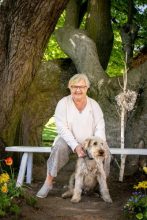
이번 편의 주인공은 구 서독 지역 킬에서 자란 54세 행정관 다니엘라 주어(Daniela Suhr)다. 그녀는 1989년 장벽 붕괴 당시의 충격과 환희, 지난 30년에 걸친 사회 변화, 그리고 “나의 평화는 다른 모든 사람들의 평화와 연결돼 있다”는 신념을 들려준다.
자유 속에 살았지만, 언제나 존재하던 보이지 않는 국경
주어의 젊은 시절은 발트해와 냉전 분위기, 해군 도시로서의 긴장감 속에서 흘러갔다. 동독 국경은 가까웠지만 체감하기 어려웠다. 표현과 이동의 자유가 주어진 삶과 ‘다른 독일’의 제한된 삶이 대비됐지만, 통일은 결코 현실이 될 것처럼 보이지 않았다. “분단은 일상이었습니다. 그 끝을 보게 되리라고는 생각하지 못했죠.”
충격과 환희, 그리고 트라반트를 타고 찾아온 동독 시민들
1989년 장벽이 무너졌다는 소식을 들었을 때, 그녀는 충격과 벅찬 기쁨을 동시에 느꼈다. 얼마 지나지 않아 트라반트(Trabant)를 타고 킬에 도착한 동독 시민들과 마주한 순간은 낯설면서도 묘한 친밀감을 안겨줬다.
환희 속에서도 부담은 있었다. 통일 비용이 자신들의 세대에 큰 짐이 될 수 있다는 현실적 우려 때문이었다. 그러나 그녀에게 이 시기는 여전히 “인생에서 가장 믿기 힘들 만큼 아름다운 순간”으로 남아 있다.
30년의 변화: 디지털 혁명, 사회 변화, 그리고 개인의 성장
주어는 지난 30년을 “다른 삶을 새로 살아보는 것 같았다”고 표현한다. 디지털화는 예전의 단순하고 촉감적이던 일상을 지워버렸고, 정보의 홍수는 종종 숨막힘을 안겼다. 산업 도시였던 킬은 관광과 국제성이 결합된 젊은 도시로 변모했다.
사회 분위기도 달라졌다. 통일 초기의 낙관 대신 새로운 불안과 보이지 않는 심리적 장벽이 등장했다. 그럼에도 그녀는 향수에 머물지 않는다. “나도 변했습니다. 나이가 들며 지혜가 생기고, 시대에 맞춰 살려고 노력했죠.”
아프리카가 바꿔놓은 독일에 대한 사랑
그녀가 독일을 사랑한 이유는 늘 안전과 편안함, 질서 같은 ‘주어진 것들’이었다. 그러나 아프리카에서 일한 시간은 그녀의 시선을 완전히 바꿨다. 그곳에서 그녀는 처음으로 자신의 정체성—‘백인 독일인’이라는 사실—과 자신이 누려온 특권을 자각했다.
이 경험은 독일에 대한 애정을 더 성찰적으로 만들었고, 아프리카 공동체에 대한 지속적 참여로 이어졌다. “내가 받은 행복 일부를 다시 돌려주는 것이 책임이라는 생각이 들었습니다.”
한국에 주는 교훈: 진짜 장벽은 마음 속에 있다
한국을 방문한 적은 없지만, 그녀는 독일의 경험을 떠올리며 말한다. “정말 오래 남는 장벽은 심리적 장벽입니다.”
같은 언어를 쓰던 동서독도 ‘오시–베시’라는 심리적 거리감을 해소하는 데 예상보다 훨씬 오랜 시간이 걸렸다. 전쟁과 70년의 단절을 경험한 한반도의 경우 그 깊이는 더 클 것이라고 말한다. 또한 구동독의 경제적 충격은 서독이 예상했던 것보다 훨씬 컸다. “독일의 통일은 운이 좋았던 순간이었습니다. 잠시 열린 기회의 창이었죠. 그대로 따라 할 수 있는 모델은 아닙니다.” 그녀가 한국에 전하고 싶은 것은 조언이 아니라 진심 어린 희망이다. “한국인들이 언젠가 스스로 치유의 길을 찾기를 바랍니다. 깊은 상처일수록 내부에서부터 치유되니까요.”
“제가 말할 수 있는 건 많지 않습니다. 다만 남북 모두에게 사랑과 평화, 자유가 깃들기를 바랍니다.”
관용은 ‘내면의 혁명’이다
주어는 공존의 출발점을 제도보다 인간의 내면에서 찾는다. 자신의 관점이 완전하지 않음을 인정하고, 상대를 고정된 프레임으로 보지 않는 것이 관용의 시작이라고 말한다. “진정한 존중은 passive한 용인이 아니라 active한 호기심에서 시작됩니다.”
그녀는 갈등을 없애는 것이 목표가 아니라, 존중을 기반으로 갈등을 해결하는 능력이 더 중요하다고 강조한다.
평화는 타인의 평화와 분리될 수 없다
주어에게 평화란 소유물이 아니라 매일 실천해야 하는 과정이다. 세계 곳곳의 극심한 불평등을 고려할 때, 빈곤·기아·교육 격차 해결이 평화의 핵심 조건이라는 점을 강조한다.
그녀가 두려워하는 위협은 더 이상 군사적 충돌이 아니라 기후변화, 팬데믹, 국제 범죄다. “세계가 불타고 있는데 킬에서 혼자 평화롭게 살 수는 없습니다.”
그리고 마지막으로 이렇게 덧붙였다. “내 평화는 결국 다른 모든 사람의 평화와 연결돼 있습니다.”

From Division to Reflection: Daniela Suhr’s Insight on Reunification and Peace
By Hassan Humeida
Marking 35 years since the fall of the Berlin Wall, AsiaN continues its interview series with Germans who personally experienced division and reunification. Their voices reveal how unity reshaped both individual lives and German society, offering reflections that may resonate with those considering the future of the Korean Peninsula.
This chapter features Daniela Suhr, a 54-year-old state administrator from Kiel in former West Germany. She recalls the shock and joy of 1989, three decades of profound transformation, and her belief that “my peace is inseparable from the peace of everyone else.”
A youth shaped by freedom, yet framed by an invisible border
Suhr grew up in Kiel, a Baltic port city shaped by the Cold War and the presence of the navy. The GDR border lay close but felt distant. Her own freedoms—of expression, mobility, and consumption—stood in stark contrast to the restrictions of “the other Germany,” yet reunification still felt unimaginable.
“Division was simply part of everyday life. I never thought I would witness its end,” she recalls.
Shock, euphoria, and East Germans arriving in their Trabants
When the Berlin Wall fell, Suhr felt stunned and overwhelmed with joy. Not long after, East German families arrived in Kiel in their Trabant cars—moments that were unfamiliar yet instantly connective.
Amid the nationwide celebration, she also sensed anxiety: the fear that reunification’s financial burden would fall on her generation. Still, she remembers the period as one of the most extraordinary moments of her life.
Thirty years of transformation—digital, social, and personal
Reflecting on the decades since reunification, Suhr describes the change as “like living an entirely different life.”
The digital revolution erased much of the tactile simplicity of her youth, replacing it with a constant flood of information. Kiel itself shifted from an industrial shipyard city to a youthful, cosmopolitan hub shaped by tourism and international influences.
Socially, early optimism has given way to new insecurities and invisible walls. Yet she rejects nostalgia. “I have changed with the times. Aging has made me wiser. I try to look forward.”
How Africa reshaped her love for Germany
For years, Suhr’s attachment to Germany rested on security, comfort, and order. But working in Africa transformed her understanding of identity and privilege.
There, she first became fully aware of what it meant to be “a white German” and of the advantages she had grown up taking for granted.
This awareness sharpened rather than diminished her affection for Germany, turning it into a more reflective sense of responsibility. “Giving back some of the happiness I received feels like a duty,” she says.
Lessons for Korea: The deepest walls are psychological
Though she has never visited Korea, Suhr sees clear parallels. “The psychological borders last the longest,” she says.
Even with a shared language, the divide between “Ossi” and “Wessi” persisted far longer than many expected. Given Korea’s 70 years of separation and a devastating war, she imagines the emotional and social divide must be even deeper.
She also warns that economic disruption in East Germany was far greater than West Germans anticipated.
“Our reunification was a stroke of luck—a brief window that cannot simply be replicated.”
What she offers Korea is not advice but hope. “That Koreans will one day find a path of healing in their own way, because deep wounds heal only from within.”
On the benefits of Korean reunification
“I cannot say much, except that I wish all Koreans—North and South—love, peace, and freedom.”
Tolerance as an inner revolution
For Suhr, coexistence begins within the individual. It starts with acknowledging that one’s own perspective is incomplete and that people should be approached without fixed labels. “Real respect is not passive tolerance—it is active curiosity,” she says.
She believes the goal is not to eliminate conflict but to resolve it with dignity and openness.
Peace as a shared and unequal responsibility
Suhr now sees peace not as a possession but as a daily practice. Deep global inequality, she argues, makes true peace impossible, and combating poverty, hunger, and lack of education is one of the most meaningful contributions individuals can make.
Her greatest fears today are not military threats but climate change, pandemics, and international crime.
“I cannot live peacefully in Kiel while the world burns elsewhere.”
She concludes with a simple truth: “My peace is ultimately connected to the peace of everyone else.”
▼ 아시아엔 후원계좌 ▼