폴란드에서 태어나 서독 거쳐 다시 동독으로…58세 사회복지사 라이문트
독일이 베를린 장벽 붕괴 35주년을 맞은 올해, 아시아엔은 분단과 통일을 직접 경험한 이들의 증언을 기록하는 연재를 이어가고 있다. 이들의 목소리는 정치적 서사를 넘어 통일이 개인의 삶과 감정, 인간관계, 미래에 어떤 흔적을 남겼는지를 보여준다. 아시아엔은 이러한 기록을 통해 분열과 갈등이 극심해지는 세계 속에서도 화해와 통합이 여전히 가능한 가치임을 독자들에게 상기시키고자 한다. <편집자>
이번 회차의 주인공은 드레스덴에서 사회복지사로 일하고 있는 58세의 라이문트 렉스차(Raimund Lekscha)다. 폴란드에서 태어나 서독을 거쳐 다시 동독 지역으로 이주한 그의 여정에는 이주, 정체성, 사랑, 그리고 통일이 한 개인의 삶을 어떻게 재구성하는지가 응축돼 있다.
실레지아에서의 유년기부터 그는 독일계 소수자로서 차별과 사회적 압박을 경험했다. 이런 환경은 결국 가족이 더 나은 삶을 찾아 서독으로 이주하게 만드는 이유가 됐다. 1980년대 들어 동독에 있던 친척들과의 연락이 완전히 끊기면서 그는 새로운 환경 속에서 ‘폴란드 출신’이라는 낙인을 견디며 사춘기를 보냈다. 그는 이 시기를 “심리적 의미에서의 방황기”였다고 회상한다.
1989년 동독 시민들의 평화 시위가 이어지고 장벽이 무너지는 과정을 그는 서독에서 지켜보았다. 폭력 없이 체제가 무너지는 장면은 그에게 충격과 경외를 동시에 안겼다. 당시 폴란드의 독일계 가정들 사이에서는 잊혀졌던 고향이나 재산을 다시 찾을 수 있을지도 모른다는 희망이 되살아나기도 했다.
삶은 사랑을 통해 다시 방향을 바꾸었다. 병을 앓던 시기에 우연히 만난 드레스덴 출신의 하이케(Heike)와 깊은 관계를 맺게 되면서 그는 2008년 작센주로 이주했다. 정치적 판단이 아닌, 인간적 관계에 기반한 선택이었다. 그 과정에서 전쟁과 분단으로 인해 흩어진 가족들의 이야기를 들으며 “떠났다가 돌아온 사람들이 새로운 아이디어와 활력을 불어넣어 사회를 변화시킨다”는 통찰을 얻었다.
그는 오늘의 동독이 종종 서독 언론이 묘사하는 것보다 훨씬 활기차고 다양하다고 강조한다. 사회 인프라와 의료, 복지 수준은 이미 서독과 거의 비슷한 수준이며, 완전하지 않더라도 “사람은 언제나 변화를 만들어낼 수 있다”고 말한다.
렉스차에게 독일은 여전히 ‘집’이다. 자연과 문화의 다양성, 표현의 자유, 사회적 안정, 신뢰할 수 있는 공공시스템은 그가 가장 소중하게 여기는 요소들이다. 나아가 질서와 시간 약속, 독일 맥주에 대한 애정도 빼놓지 않는다.
그는 독일 통일이 한반도에 주는 가장 중요한 교훈으로 “어떤 사회도 고정되어 있지 않으며, 의지와 참여가 있다면 언제든 구조적 변화는 가능하다”는 점을 들었다. 역사에는 평화적 혁명의 사례가 많으며, 이는 한반도에도 유효한 희망이라고 강조했다.
통일 한국이 가능하게 될 미래에 대해 그는 생물학적·심리적 조건을 모두 충족하는 포괄적 사회를 구상한다. 나아가 스위스처럼 중립국 모델을 채택해 국제사회에서 중재자 역할을 할 가능성도 제시했다.
마지막으로 그는 평화로운 공존은 인간 간의 만남과 대화, 열린 태도에서 시작된다고 말했다. 외적·내적 안정이 있어야 타인과의 신뢰도 형성될 수 있으며, 포용은 모든 사회가 지향해야 할 핵심 가치라고 덧붙였다. 그의 바람은 단순하면서도 인류 보편의 염원과 맞닿아 있다. “모든 사람이 억압과 두려움 없이 살아갈 수 있는 세계 공동체.”
Lessons of Reunification Through One German Life: Reflections for a Divided Korea
By Hassan Humeida
As Germany marks the 35th anniversary of the fall of the Berlin Wall, AsiaN continues its series of interviews with citizens who lived through division and reunification. Their testimonies reveal not only political transformation but also the intimate emotions, disruptions, and hopes that shaped their lives. Through these stories, AsiaN aims to remind readers in Asia and beyond that reconciliation and unity remain within reach even in a polarized world.
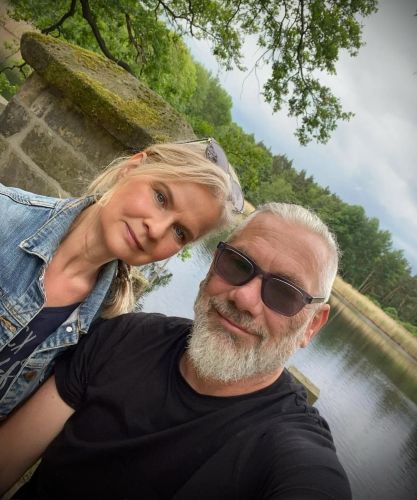
This installment features Raimund Lekscha, a 58-year-old social advisor in Dresden. Born in Poland, raised in West Germany, and now living in the former East, his life traces a journey shaped by displacement, identity, love, and reunification.
Lekscha spent his childhood in Upper Silesia, a region marked by historical instability and minority tension. As a member of the German minority, he experienced discrimination and neglect from early on, which eventually led his family to emigrate to West Germany when he was thirteen. Contact with relatives in the German Democratic Republic, once a lifeline, disappeared entirely during the 1980s as political tensions deepened.
Growing up in West Germany, he found himself navigating the stigma of being labeled “a Pole,” a period he remembers as one of psychological homelessness and uncertainty.
From afar, he witnessed the peaceful uprising of 1989 and the fall of the Berlin Wall with awe. East Germans dismantled an authoritarian state without violence, inspiring admiration and—within his extended family—renewed hopes that shifting political conditions might one day restore access to lost homelands.
His life changed again when he met Heike, a woman from Dresden, during an illness. Their relationship eventually brought him to Saxony in 2008. Through her family’s stories—shaped by war, displacement, and migration—he came to recognize how societies can renew themselves when those who once left return with new perspectives.
Lekscha believes that the eastern regions of Germany today are far more dynamic and diverse than stereotypes suggest. Infrastructure, healthcare, and social services have largely caught up with western standards. Despite imperfections, he emphasizes that “people can always change things—or make them better.”
Germany remains home for him due to its cultural and geographic diversity, freedom of expression, social stability, and orderly public life. And, as he jokes, German beer and punctuality still matter.
Reflecting on German reunification, he stresses one core lesson for Korea: no society is permanently fixed. Peaceful structural change is always possible when people are committed, engaged, and guided by human rights. History, he notes, is filled with examples of revolutions achieved without violence.
He imagines a unified Korea capable of meeting both biological and psychological human needs, perhaps even adopting a neutrality model similar to Switzerland’s to serve as a mediator between global powers.
For Lekscha, peaceful coexistence begins with human encounters—dialogue, exchange, and openness—supported by internal and external stability. Inclusion must ensure that all people can participate fully in society, regardless of background or origin.
Peace and security, he concludes, are the foundation of a dignified life. His hope is universal: that every individual may live without fear or hardship, and that a global community built on respect and empathy may one day become reality.
▼ 아시아엔 후원계좌 ▼