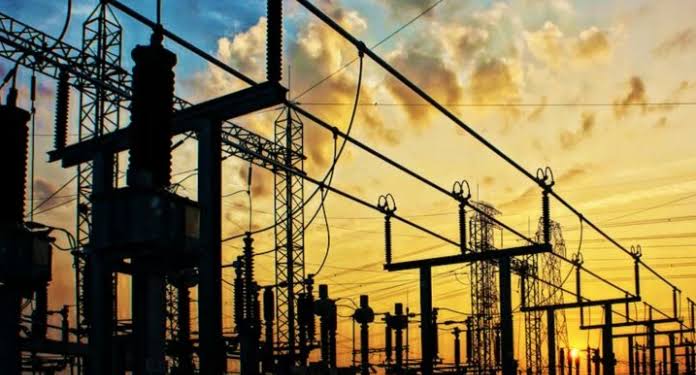
파키스탄 국민들은 지금 심각한 전기요금 위기에 시달리고 있다. 평범한 시민은 물론 자영업자와 노동자까지 매달 전기요금 고지서를 받아들고 한숨을 쉰다. 전기요금이 너무 올라 어떤 가정은 전등을 켤지, 식료품을 살지 고민해야 할 정도다.
정부는 그동안 전기요금이 오른 이유로 낡은 송전선, 시설 고장, 전기 절도 등을 꼽아왔다. 하지만 국민들은 생각이 다르다. 전기요금이 이렇게까지 오른 진짜 이유는 정부가 민간 발전회사들과 맺은 계약에 있다고 본다.
파키스탄 전기요금이 급등한 가장 큰 이유는 ‘용량요금(Capacity Payment)’ 제도 때문이다. 이 제도는 수십 년 전 민간 자본을 끌어들이기 위해 만들어졌다. 당시 정부는 독립발전사업자(IPP)들과 장기 전력구매계약(PPA)을 맺었다.
문제는 계약 내용이다. 정부는 발전회사가 실제로 전기를 생산했는지, 국민이 그 전기를 사용했는지와 상관없이 돈을 지급해야 한다. 쉽게 말하면 발전소가 “언제든 전기를 만들 준비가 돼 있다”는 이유만으로 돈을 받는 구조다. 국민이 전기를 한 푼도 쓰지 않아도 정부는 계약한 돈을 그대로 지급해야 한다.
이 때문에 정부는 매년 약 3조4000억 파키스탄 루피(한화 약 18조5천억원)를 발전회사들에 지급하고 있다. 그 결과 정부가 갚아야 할 에너지 분야의 빚도 눈덩이처럼 불어났다. 정부 보조금과 운영 적자가 쌓이면서 이른바 ‘순환부채(circular debt)’ 규모는 현재 2조6000억~3조2000억 파키스탄 루피에 이른다.
이 부담은 결국 국민에게 돌아간다. 특히 가장 가난한 사람들이 더 큰 피해를 본다. 연구 결과를 보면 국민소득의 30%도 벌지 못하는 하위 40% 가구가 전기요금에 숨어 있는 각종 부담금의 최대 60%를 떠안고 있는 것으로 나타났다.
국민들이 더욱 분노하는 이유는 이 돈이 어디로 흘러가는지 알고 있기 때문이다. 현재 파키스탄 사회에서 널리 인용되는 여러 분석에 따르면 발전소 소유권 대부분은 정치권과 권력층에 집중돼 있다. 분석에 따르면 발전설비 지분의 78%는 세 집단이 갖고 있다.
가장 큰 비중은 정치권이다. 셰바즈 샤리프 총리의 샤리프 가문과 집권당인 파키스탄무슬림연맹(PML-N) 계열이 전체의 44%를 차지하는 것으로 분석된다. 이 가운데 28%는 샤리프 가문, 16%는 다른 당 지도부 몫이다. 아시프 알리 자르다리 대통령 측과 연립여당인 파키스탄인민당(PPP) 계열은 24%를 보유한 것으로 알려져 있다. 이 가운데 16%는 자르다리 계열, 8%는 PPP 지도부 지분이다.
국가기관도 발전사업 지분 10%를 갖고 있는 것으로 분석된다. 나머지 22%는 중국 투자자(8%), 카타르와 다른 아랍권 투자자(7%), 파키스탄 민간 자본(7%)이 나눠 갖고 있다. 이 때문에 국민들은 이번 전기요금 위기를 단순한 정책 실패로 보지 않는다. 오히려 정치권과 권력층이 자신들에게 유리한 계약을 만들고, 그 부담을 국민에게 떠넘긴 결과라고 생각한다.
이 구조는 시간이 갈수록 더 큰 문제를 만든다. 전기요금이 계속 오르자 공장들은 전기를 덜 쓰기 시작했다. 생산비가 높아져 공장 문을 닫는 곳도 늘고 있다. 돈이 있는 가정은 전기요금을 아끼기 위해 집 지붕에 태양광 패널을 설치하고 있다. 그렇다고 정부가 발전회사에 주는 돈이 줄어드는 것은 아니다. 계약 자체가 고정돼 있기 때문이다. 국민이 전기를 적게 써도 정부는 약속한 돈을 그대로 지급해야 한다. 결국 부족한 돈은 다시 국민이 부담한다.
정부는 기본 전기요금을 올리고, 연료비조정요금(Fuel Adjustment Charge·FAC) 같은 각종 추가 요금을 붙여 부족한 돈을 메운다. 파키스탄의 소상공인과 중소기업 단체들은 이런 구조가 나라 경제를 무너뜨리고 있다고 경고한다. 전기요금이 오르면서 제품 생산비도 함께 올라 수출 경쟁력이 떨어지고 있다. 공장이 문을 닫으면서 일자리도 빠르게 줄어들고 있다.
문제는 쉽게 고칠 수도 없다는 점이다. 많은 전력구매계약이 2035년까지 법적으로 보호받고 있기 때문이다. 파키스탄이 이 악순환에서 벗어나려면 지금의 구조를 근본적으로 바꿔야 한다. 특정 정치세력이나 권력층에 유리한 계약 대신 누구나 공정하게 경쟁하는 전력시장을 만들어야 한다. 정치적 연줄이 아니라 가격과 경쟁력으로 전력 공급자가 결정되는 시장을 만들어야 한다는 것이다.
다음은 영어 원문입니다.
Paying Billions for Electricity People Never Use
By Nasir Aijaz, The AsiaN Representative
Pakistan is facing one of its most serious energy crises in decades. For millions of families, shopkeepers, and workers, the crisis is no longer a matter of politics or policy. It arrives every month as an electricity bill that many can no longer afford. For countless households, paying the electricity bill now means spending less on food, medicine, or other basic necessities. What was once a public utility has become a heavy financial burden.
Government officials often blame outdated transmission lines, technical losses, or electricity theft for rising power costs. While these factors play a role, many Pakistanis believe the real problem lies much deeper-in the way the country’s electricity market has been structured for decades. At the center of the controversy are Independent Power Producers (IPPs) and the long-term agreements successive governments signed with them.
The biggest reason behind Pakistan’s soaring electricity prices is a financing mechanism known as capacity payments. Years ago, Pakistan encouraged private investment in its power sector by signing long-term Power Purchase Agreements (PPAs) with private power companies. These contracts were designed to reassure investors that their investments would remain profitable. The guarantee, however, came at a very high price.
Under these agreements, the government must pay private power producers based on the amount of electricity they are capable of generating—not on the amount of electricity people actually use. In other words, companies are paid simply for keeping their power plants available, even if the electricity is never supplied to the national grid or consumed by households and businesses.
This “take-or-pay” system leaves the government with little flexibility. Whether electricity demand rises or falls, the payments remain virtually unchanged. As a result, Pakistan pays an enormous amount every year simply to maintain generating capacity.
According to official estimates, annual capacity payments now total about 3.4 trillion Pakistani rupees, placing a tremendous burden on public finances. At the same time, the country’s energy-sector circular debt-created by unpaid subsidies and persistent operating deficits-has grown to between 2.6 trillion and 3.2 trillion rupees. Ultimately, these costs are passed on to consumers.
Studies suggest that the poorest 40 percent of Pakistani households, despite earning less than 30 percent of the nation’s income, shoulder as much as 60 percent of the debt-related surcharges hidden inside electricity bills. For many Pakistanis, the issue is no longer simply about expensive electricity. It is about paying for electricity that is never used.
Public frustration has grown not only because electricity is expensive, but also because many people believe the system mainly benefits a small group of powerful interests. Much of the public debate in Pakistan today focuses on who owns the country’s power plants and who profits from the current payment system.
Analyses widely circulated in Pakistan suggest that ownership of electricity generation is heavily concentrated among political elites, state-linked institutions, and a relatively small group of private and foreign investors. According to these analyses, about 78 percent of Pakistan’s electricity generation capacity is controlled by three major domestic power blocs. The largest share-about 68 percent-is linked to the country’s two dominant political families and their allies.
One bloc is associated with Prime Minister Shehbaz Sharif’s family and leaders of the ruling Pakistan Muslim League-Nawaz (PML-N). Together they are estimated to control about 44 percent of the country’s power-generation ownership, including 28 percent linked directly to the Sharif family and another 16 percent connected to senior party figures.
The second major bloc is associated with President Asif Ali Zardari’s family and leaders of the Pakistan Peoples Party (PPP), the PML-N’s coalition partner. This group is estimated to control another 24 percent, including 16 percent linked to the Zardari family and 8 percent to other PPP leaders. Beyond political ownership, analysts estimate that state-linked institutions account for about 10 percent of the country’s electricity generation assets.
The remaining 22 percent is divided among foreign and private investors, including Chinese companies (8 percent), Qatari and other Arab investors (7 percent), and Pakistani private businesses (7 percent). These figures are frequently cited in Pakistan’s public debate, although ownership structures can be complex and may change over time.
For many Pakistanis, however, the numbers reinforce a broader perception: that those who benefit most from the existing contracts are closely connected to the country’s political and economic establishment. As a result, many people no longer see the electricity crisis as the unintended consequence of poor planning. Instead, they view it as the product of a system that protects powerful interests while shifting the financial burden onto ordinary consumers.
This perception has further weakened public trust in both the electricity market and government policy. The current system has created a vicious economic cycle. As electricity prices continue to rise, factories and businesses use less power to cut costs. Many manufacturers have reduced production, while others have shut down altogether because electricity has become too expensive.
At the same time, wealthier households and businesses are increasingly installing rooftop solar panels to reduce their dependence on the national grid. On the surface, lower electricity demand should reduce costs. But under Pakistan’s capacity payment system, it does not. The government must continue paying private power producers the same contracted amounts regardless of how much electricity people actually consume. In other words, when electricity demand falls, the bills do not fall with it.
Instead, the fixed costs are shared among a smaller number of consumers who still rely on the national grid. To cover these growing financial obligations, the government repeatedly raises electricity tariffs and adds extra charges, including the Fuel Adjustment Charge (FAC). The result is a cycle that feeds itself. Higher electricity prices reduce demand. Lower demand increases the financial burden on the remaining consumers. Higher costs then lead to even higher electricity prices.
Business groups across Pakistan warn that this cycle is steadily weakening the country’s economy. Small businesses struggle to survive. Manufacturers lose their ability to compete in export markets. Factories close. Jobs disappear. Many economists argue that Pakistan’s electricity crisis is no longer simply an energy problem. It has become an obstacle to economic growth and industrial development.
Meaningful reform, however, will not be easy. Many of the existing power purchase agreements are protected by long-term legal commitments that remain in force until 2035. Renegotiating these contracts will require both political determination and legal negotiation.
Still, delaying reform will only make the problem more expensive in the years ahead. Pakistan needs an electricity market that rewards efficiency rather than political influence. Power should be purchased from producers that can supply it at the lowest cost-not from those with the strongest political connections.
A transparent and competitive electricity market would not solve every problem overnight. But it would be a crucial first step toward restoring public confidence, lowering electricity costs, and building a more sustainable energy system. Until then, millions of Pakistanis will continue paying for electricity they never use.