베를린 장벽 붕괴 35주년을 맞아 아시아엔은 분단과 통일을 직접 겪은 독일 시민들의 목소리를 연속 인터뷰로 전하고 있다. 이들의 경험은 통일이 개인의 삶과 사회 전반에 어떤 변화를 가져왔는지, 그리고 그 과정에서 얻을 수 있는 교훈이 무엇인지를 보여준다. 이는 한반도의 미래를 생각하는 데에도 중요한 통찰을 제공한다. <편집자>
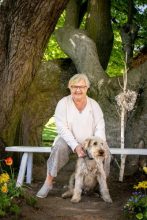
이번 편의 주인공은 옛 동독 지역 프랑켄베르크에서 자란 51세의 도린 위트너(Doreen Jüttner)다. 그는 통제 속에서도 나름의 안정이 있었던 어린 시절, 통일 당시의 기대와 불안, 그리고 30년이 지난 오늘 되돌아보는 통일의 실상을 진솔하게 들려주었다. 위트너의 기억 속에서 동독의 삶은 질서 있고 예측 가능한 일상의 연속이었다. 학교생활은 무리 없었고, 사회적 격차도 거의 느껴지지 않았다. “모두가 비슷한 생활 수준을 누렸어요. 청소년에게는 안정적이고 편안한 환경이었죠.” 서독에 친척이 있던 아이들이 가끔 초콜릿 같은 작은 서독 물건을 가져오면 신기했지만, 일상적으로 부족함을 느끼는 일은 드물었다.
1989년 정치 격변이 닥치면서 그는 무엇보다 미래에 대한 불안을 크게 느꼈다. “이제 무엇을 공부해야 하지? 어떤 산업이 살아남을까? 우리 지역은 어떻게 될까?”라는 질문이 계속 따라붙었다. 그러나 불안과 동시에 변화가 더 나은 방향으로 갈 것이라는 기대도 분명 존재했다. 고향을 떠나고 싶은 마음은 없었고, 빠르게 변하는 환경 속에서 어떻게 새로운 길을 만들어갈 것인가가 더 큰 문제였다.
30여 년이 지난 오늘, 위트너가 가장 크게 느끼는 변화는 경제가 아니라 사회 분위기다. 그는 “경제적으로는 나쁘지 않은데 사람들 사이의 의견 차는 오히려 더 극단적으로 벌어졌다”고 말한다. 사회적 이해는 줄었고, 서로 간의 거리는 더 멀어진 듯했다. 그럼에도 그의 일상은 변함없이 가족과 친구 중심으로 안정돼 있으며, 생활 수준 역시 만족스럽다고 한다.
그가 오늘의 독일에서 가장 소중하게 생각하는 것은 민주주의와 사회적 시장경제, 법치주의 같은 핵심 가치다. “독일은 여전히 아름다운 나라예요. 그리고 지켜야 할 것이 분명해요.”라고 말한다.
그는 독일 통일 과정에서 가장 아쉬웠던 점으로 동독 체제가 사실상 서독 체제로 급속히 흡수된 방식을 꼽는다. “그건 진정한 의미의 통일이 아니라 일방적 통합이었어요.” 동독 기업들은 실질적인 경쟁의 기회조차 얻지 못해 산업 기반은 급속히 붕괴했고, 실업은 늘었으며, 많은 고학력 젊은 층—특히 여성들—이 서독으로 이주해 지역 쇠퇴를 더욱 가속했다. 그는 한국에 이를 분명한 경고로 제시한다. “통일의 방식이 통일 그 자체만큼 중요합니다.”
그는 한반도 통일이 가져올 긍정적 효과로 평화 구축, 군비 축소와 예산의 생산적 전환, 북한 자원의 공동 개발, 이산가족 상봉, 그리고 아시아 경제 강국으로의 성장 가능성을 꼽는다. 특히 통일 한국은 인도 다음으로 아시아 최대의 민주주의 국가가 될 수 있으며, 중국의 영향력을 균형 있게 조정하는 중요한 국가적 축이 될 수 있다고 본다.
그가 생각하는 국제적 공존의 길은 군비 축소, 민주주의 강화, 차이의 인정, 공통점의 발견 같은 원칙을 토대로 한다. 유엔을 포함한 국제 규범 체계를 강화해야 한다는 점도 강조했다. 인터뷰를 마무리하며 그는 “평화와 안보는 다른 어떤 가치보다 우선합니다. 민주주의도 마찬가지예요. 이 기반이 흔들리면 다른 발전은 불가능합니다.”라고 말했다.

Integration, Loss, and Insight: Germany’s Experience as a Guide for the Korean Peninsula
By Hassan Humeida
As Germany commemorates the 35th anniversary of the fall of the Berlin Wall, AsiaN continues its special series sharing first-hand reflections from citizens who experienced the nation’s division and its historic reunification. Their accounts reveal how unity reshaped individual lives and German society, offering lessons that may resonate with those envisioning the future of the Korean Peninsula.
In this installment, we meet Doreen Jüttner, a 51-year-old government official from Frankenberg in former East Germany. She recalls the calm predictability of her youth in the GDR, the mixture of hope and anxiety that accompanied reunification, and the lessons she believes Korea should take to heart.
Before 1989, Jüttner remembers life in East Germany as orderly and stable. School was manageable, basic needs were met, and social differences were minimal. “Everyone lived at a similar level. For young people, it felt secure and comfortable,” she says. Children with relatives in the West occasionally brought chocolates or other small luxuries, but widespread shortages were not part of her daily experience.
When political upheaval swept across East Germany, Jüttner felt an overwhelming uncertainty. Questions about her future—what to study, which industries would survive, what would happen to her region—became constant companions. Yet that uncertainty was paired with optimism and a sense of possibility. She never wished to leave her hometown; the real challenge was how to build a future within a rapidly changing world.
Three decades later, Jüttner sees a society that is economically sound but increasingly polarized. “Economically, things are not bad, but society feels more divided. Extreme opinions have grown, and mutual understanding has decreased,” she notes. Despite this, her own life remains centered around friends, family, and a stable sense of belonging, supported by a standard of living she describes as comfortable.
She still values what she considers the pillars of Germany today: democracy, the social market economy, and the rule of law. These, she believes, must be preserved for future generations. “Germany remains a beautiful country, and what we have is worth protecting.”
For Jüttner, one of the biggest mistakes of reunification was the rapid absorption of the East into Western structures. “It was not true reunification—it was integration,” she says. Eastern industries never had the opportunity to compete fairly, leading to widespread closures, sharp rises in unemployment, and the departure of many young, educated people—especially women—to the West. This drained the East of talent and accelerated demographic decline. She considers this a key lesson for the Korean Peninsula. “How reunification is carried out matters just as much as reunification itself.”
She sees clear benefits if Korea were to reunify: the foundations of peace, the redirection of military expenditure toward development, the joint use of North Korean natural resources, the reunification of separated families, and the emergence of a major economic power in Asia. She adds that a unified Korea could become Asia’s largest democracy after India and play a crucial balancing role in the region.
Her vision for a peaceful global community is grounded in familiar principles—disarmament, democracy, the acceptance of differences, and the search for common ground—supported by stronger international institutions such as the United Nations. She concludes with a simple conviction: “Peace and security are the most important things. Without them, nothing else can flourish.”
▼ 아시아엔 후원계좌 ▼