* 아시아엔 해외필진 기고문의 한글번역본과 원문을 함께 게재합니다.

트럼프 ‘해방의 날’ 관세 공세, 아시아 무역전략 뒤흔들다
도널드 트럼프 미국 대통령은 4월 2일 이른바 ‘해방의 날’ 관세 공세를 시작하며, 미국과의 교역에서 흑자를 누리는 국가들에 대해 막대한 관세를 부과하겠다고 위협했다. 무역 불균형 시정을 위한 협상에 응하지 않을 경우 보복성 관세를 피할 수 없다는 경고였다.
이 조치는 아시아 전역에 충격을 주었다. 각국 정상들은 8월 1일 마감일 이전에 워싱턴으로 서둘러 향하며, 변덕스러운 협상가 트럼프와 유리한 조건을 도출하고 미국 시장 접근을 유지하기 위해 분주했다. 그러나 ‘협상의 달인’을 자처하는 트럼프는 아시아 지도자들이 손자병법에서 배운 미묘한 전략과 장기적 사고를 과소평가했다.
한국: 선물과 예우
이재명 한국 대통령은 첫 정상회담에서 전통적 예우를 발휘했다. 맞춤형 골프 퍼터와 ‘마가’(MAGA) 스타일 모자를 선물했고, 트럼프가 수제 만년필에 관심을 보이자 곧바로 내어주며 개인적 친밀감을 다졌다. 회담 분위기는 따뜻했고, 그 결과 한국은 15% 기본 관세율을 확보하고 미국 조선업에 1,500억 달러 투자 약속을 이끌어냈다.
태국·캄보디아: 갈등과 양보
태국과 캄보디아는 국경 충돌이 닷새간 교전으로 비화하면서 36%의 고율 관세 위협에 직면했다. 트럼프는 양국에 적대행위 중단을 압박했고, 두 나라는 관세 협상의 전제 조건으로 휴전에 합의했다. 특히 캄보디아 훈마넷 총리는 트럼프를 노벨평화상 후보로 추천하며 추가 양보를 했다. 그 결과 양국의 관세율은 19%로 낮아졌다.
필리핀·일본: 동맹의 압박
필리핀과 일본은 안보 동맹 때문에 협상력이 제한됐다. 마르코스 필리핀 대통령은 남중국해에서 중국에 강경 대응하고 미군 기지 제공을 제안하며 협상 지렛대를 마련했으나, 최종적으로는 19% 관세율을 받는 데 그쳤다.
일본은 장기적 접근을 택했다. 전반적 관세를 25%에서 15%로 낮추는 대신, 자동차·항공우주·제약 부문에 별도의 관세를 수용했다. 또한 5,500억 달러 규모의 미국 투자 약속을 내놓으며 “세대 간 번영”을 강조했다. 다만 일본은 이 약속의 상당 부분이 차관과 신용공여 형태여야 한다고 명확히 하며, 글로벌 자유무역 질서 수호 원칙을 고수했다.
인도네시아·말레이시아: 아세안과 중국 활용
인도네시아와 말레이시아는 중국과의 전략적 연계, 아세안 중심성을 지렛대로 활용했다. 두 나라는 모두 19% 관세율과 수십억 달러 투자, 세제 혜택을 포함하는 패키지 합의에 도달했다. 다만 중국을 겨냥한 조항으로, 환적 화물에 대해 일괄 40% 관세가 부과됐다.
싱가포르: 낮은 관세, 높은 부담
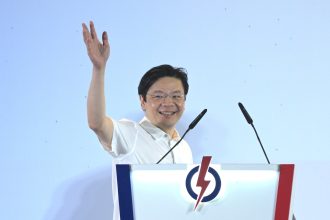
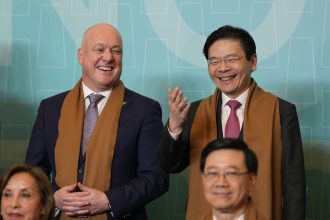
싱가포르는 10%로 가장 낮은 기본 관세율을 얻었으나, 제약·반도체 등 주요 수출품에는 추가 관세가 붙었다. 로런스 웡 총리는 기업과 노동자를 지원하기 위한 경제회복 태스크포스를 출범시키며, 트럼프의 ‘아메리카 퍼스트’가 상징하는 ‘나 먼저, 승자 독식’ 사고를 거부하는 전략을 천명했다.
싱가포르는 인도, 중국, 일본, 한국, EU 등과 연합해 다자무역체제를 지키려 하고 있다. 웡 총리는 9월 4일 모디 인도 총리와의 회담에서 신규 무역협정을 체결하며 이를 강조했다. 그러나 인도가 러시아산 원유를 수입한다는 이유로 트럼프가 인도에 50%의 징벌적 관세를 부과하면서 미·인 관계는 냉각됐다.
전망
트럼프의 관세 공세는 아시아 수출 주도형 경제에 먹구름을 드리웠으나, 동시에 역내 무역 회복력 강화의 계기도 됐다. 싱가포르-조호르 특별경제구역 같은 구상이 아세안의 역내 교역 심화 의지를 보여준다.
8월 9일 독립 60주년을 맞은 싱가포르는 4세대 지도부가 역경을 기회로 전환하겠다고 다짐했다. 워싱턴발 보호무역주의는 도전이자 촉매로 작용하며, 아시아가 새로운 연대를 추구하고 자유무역에 대한 헌신을 재확인하도록 밀어붙이고 있다.

Amid Trump’s Tariff Storm, Asia Seeks Regional Solidarity and a New Path for Free Trade
President Donald Trump launched his so-called “Liberation Day” tariff offensive on April 2 with sweeping threats to impose heavy duties on nations enjoying trade surpluses with the United States. Unless they agreed to negotiate to reverse trade imbalances, Trump warned, punitive tariffs would follow. The move sent shockwaves across Asia. Leaders scrambled to Washington before the August 1 deadline, eager to strike favorable terms with the mercurial deal-maker while ensuring continued access to the US market.
But Trump, master of The Art of the Deal, underestimated the subtle strategies and long-term thinking that Asian leaders—steeped in the lessons of Sun Tzu’s Art of War—brought to the table.
South Korea: Gifts and Courtesy In his first summit with Trump, South Korean President Lee Jae-myung deployed traditional courtesy, presenting custom-made golf putters and Maga-style caps. When Trump admired Lee’s handcrafted fountain pen, Lee immediately offered it to him, cementing personal rapport.
The warm atmosphere yielded tangible results: South Korea secured a baseline 15 percent tariff rate, alongside a pledge to invest $150 billion in US shipbuilding.
Thailand and Cambodia: Conflict and Concessions Thailand and Cambodia faced steeper penalties after a border clash escalated into a five-day skirmish. Both countries were threatened with 36 percent tariffs. Pressured by Trump to cease hostilities, they agreed to a truce as a precondition for tariff negotiations.
Cambodian Prime Minister Hun Manet went further, nominating Trump for the Nobel Peace Prize. The gesture proved effective—both nations won reduced tariffs of 19 percent. Philippines and Japan: Allies Under Pressure Security ties limited the bargaining power of the Philippines and Japan.
Philippine President Ferdinand Marcos Jr. sought leverage by standing firm against China in the South China Sea and offering naval bases to the US. Manila ultimately received a 19 percent tariff rate. Japan adopted a longer-term approach. Tokyo agreed to reduce tariffs on all Japanese goods to 15 percent, down from 25 percent, while accepting sector-specific duties on automobiles, aerospace, and pharmaceuticals. Japan also pledged up to $550 billion in US investments aimed at ensuring “prosperity for generations.” Yet Japanese policymakers stressed these commitments must largely take the form of loans and lines of credit, consistent with Japan’s principle of defending the global free trade system.
Indonesia and Malaysia: Leveraging ASEAN and China Indonesia and Malaysia exploited their strategic ties with both China and ASEAN centrality. Both struck package deals with Washington that included a 19 percent tariff rate, multi-billion-dollar investment pledges, and tax exemptions. A unique clause imposed a blanket 40 percent tariff on transshipment of goods, largely targeting Chinese trade routes.
Singapore: Low Tariffs, High Costs Singapore appeared to gain the lowest baseline tariff at 10 percent, but the city-state’s key exports—pharmaceuticals and semiconductors—were hit with additional sectoral duties. Prime Minister Lawrence Wong responded by launching an economic resilience taskforce to help enterprises and workers absorb the impact. He also emphasized a broader strategy: resisting the “me-first, win-lose mindset” symbolized by Trump’s America First policy. Singapore is now rallying like-minded partners—including India, China, Japan, South Korea, and the European Union—to safeguard the multilateral trading system. Wong underscored this during his September 4 meeting with Indian Prime Minister Narendra Modi, signing new trade agreements. Still, relations between Washington and New Delhi soured after Trump slapped a punitive 50 percent tariff on India over its imports of Russian oil.
Looking Ahead The Trump tariff offensive has cast a shadow over Asia’s export-oriented economies, but it has also galvanized efforts to strengthen regional trade resilience. Initiatives such as the Singapore-Johor special economic zone signal ASEAN’s determination to deepen intra-regional commerce. As Singapore celebrated its 60th anniversary of independence on August 9, its fourth-generation leaders vowed to turn adversity into opportunity. For them, the protectionist tide from Washington is both a challenge and a catalyst—pushing Asia to pursue new alignments and reaffirm its commitment to free trade.
▼ 아시아엔 후원계좌 ▼