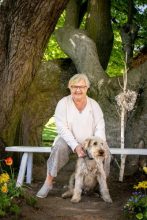
독일이 베를린 장벽 붕괴 이후 35년의 통일을 기념하는 가운데, 아시아엔은 독일의 통일 여정을 되돌아보는 독일인들과의 특별 인터뷰 시리즈를 게재하고 있다. 이 이야기들은 장벽을 허물고 공동의 미래로 향한 길을 열었던 사람들의 경험을 담고 있다. 그들의 회고는 공정성과 진정성으로 채워져 있으며, 존엄, 회복력, 희망의 주제를 부각시킨다. 표면적인 이야기들을 넘어, 독일과 세계에 있어 통일의 의미를 더 깊이 있게 조명한다. 아시아엔은 화해와 통합, 그리고 분열과 분단의 극복이 오늘날에도 실현 가능한 이상임을 상기시키려 한다. <편집자>
독일 통일 이전, 어린 시절의 기억과 추억, 그리고 경험들
그때 나는 15세 정도였다. 우리는 독일민주공화국(GDR) 밖의 삶을 전혀 경험해본 적이 없었기 때문에, 당시의 삶은 괜찮았다. 삶은 질서 정연했고, 학교도 견딜 만했으며, 10대로서 큰 문제는 거의 없었다. 모든 사람의 생활수준이 비슷했고, 부자와 가난한 사람 사이에 거의 차이가 없었다. 그것은 그 나이에는 나쁘지 않았다. 우정과 공동체, 함께하는 활동과 스포츠가 매우 중요했다. 생활필수품은 충분히 공급되었고, 대규모 부족 현상은 없었다. 다만 서독에 친척이 있는 아이들은 약간 이점이 있었다. 예를 들어 서독에서 온 초콜릿 한 조각 같은 특별한 것이 있었다.
독일 통일 과정에서 느낀 감정들
불확실성이 있었다. ‘앞으로 무슨 일이 일어날까? 무엇을 공부해야 할까? 어떤 산업이 살아남을까?’ 우리는 대규모로 이동하고 싶지 않았다. 이 지역은 아름다웠기 때문에, 올바른 선택을 하는 것이 중요했다. 그러나 동시에 “이제 모든 것이 더 좋아질 거야”라는 낙관도 있었다.
지난 30년 동안 나와 사회가 변화한 방식
통일 이후 30년, 사회가 서로 멀어진 느낌이다. 점점 더 양극화되고 극단적인 의견이 많아졌으며, 경제적으로는 괜찮은 상황인데도 상호 이해는 거의 없다. 우리의 삶과 소득도 좋으며, 만족할 이유가 충분하다. 친구들은 여전히 중요하고, 가족도 물론 중요하다.
내가 사랑하는 조국 독일의 모습
독일은 여전히 매우 아름다운 나라다. 어떤 이들은 부정적으로 말하지만, 독일은 아름다운 나라다. 가장 중요한 것은 민주주의, 사회적 시장경제, 자유로운 기본질서, 그리고 법과 질서이다. 이것들은 미래를 위해 반드시 지켜져야 한다.
독일 통일이 한국 통일에 주는 교훈
통일의 가장 큰 실수는 서독이 동독을 즉시 ‘인수’한 것이었다. 그것은 사실 ‘통일’이 아니라 ‘통합’이었다. 이로 인해 비효율적으로 운영되던 동독 기업들은 생존할 기회를 전혀 갖지 못했다. 동독 지역에 특별경제구역이 설정되었더라면, 동독 사람들은 소득을 얻고 정체성을 유지할 수 있었을 것이다. 그러나 동독 주민들은 빠르게 실업 상태에 빠졌고, 미래에 대한 전망이 사라지며, 교육받은 사람들은 서독으로 이동해 동독은 비어갔다. 특히 젊고 교육받은 여성들이 많았다. 이것은 동독의 상황을 더 악화시켰다.
한반도 통일이 가져올 수 있는 이점
평화-평화는 사회 발전의 중요한 토대이다. 군축-군사비를 줄이고 의미 있는 일에 더 많은 지출을 해야 한다. 확실하지는 않지만, 북한에는 상당한 천연자원이 있다고 생각한다. 이것들이 공동으로 개발된다면 나라 전체에 이익이 될 것이다. 나는 남북한 국민이 하나라고 믿는다. GDR과 마찬가지다. 이것은 인도주의의 문제이기도 하다. 특히 이산가족에 있어서 그렇다. 한국은 그렇게 함으로써 아시아에서 매우 큰 경제 강국이 될 수 있다. 그리고 매우 중요한 점은, 통일된 한국은 아시아에서 가장 중요한 민주주의 국가가 되어, 다른 민주주의 국가들과 연합하여 중국에 대한 균형세력을 형성할 수 있다는 것이다. 한국의 발전은 인도보다 훨씬 빠르고 나을 것이다. 한국은 일본 다음으로 가장 발전된 나라이며, 무엇보다 진정한 민주주의 국가이기 때문이다.
세계평화와 안전 그리고 관용과 존중 속 공존의 길
군축, 평화, 민주주의의 확산, 차이를 인정하면서 공통점을 찾는 노력, 유엔 강화, 국제법 강화, 공통된 규칙 확립…이러한 것들이 전세계가 관용과 존중 속에 공존하는 길이라고 본다. 이것들이 내가 생각하는 가장 중요한 점들이다. 그리고 앞서 말했듯, 그것은 민주주의다.

Germany at 35: An Enduring Reunification, A Lesson for the Korean Peninsula
As Germany marks the 35th anniversary of its reunification since the fall of the Berlin Wall, The AsiaN presents a special series of interviews with Germans who reflect on their nation’s path toward unity. These stories capture the experiences of those who broke down barriers and opened the way to a shared future. Their reflections, filled with fairness and sincerity, emphasize the themes of dignity, resilience, and hope. They go beyond surface-level narratives to shed deeper light on the meaning of reunification for both Germany and the world. The AsiaN seeks to remind readers that reconciliation, integration, and the overcoming of division remain achievable ideals even today. (Editor’s note)

It Was Integration, Not Reunification” — Germany’s Reflection and Korea’s Future
Interview with Doreen Jüttner by Hassan Humeda – Frankenberg, Germany
I was about 15 years old then. Since we had never experienced life outside the German Democratic Republic (GDR), life as we knew it was fine. Things were orderly, school was bearable, and as teenagers, we had few serious problems.
My Experience as a Young Person before German Reunification
Everyone’s standard of living was more or less the same, and there was hardly any difference between rich and poor. That wasn’t a bad thing at our age. Friendship, community, and shared activities such as sports were very important.
Basic necessities were sufficiently provided, and there were no major shortages. However, children who had relatives in West Germany had a slight advantage. For example, they sometimes received something special, like a piece of chocolate from the West.
My Feelings during the Reunification Process
There was uncertainty. “What will happen next? What should I study? Which industries will survive?” We didn’t want to move far away, since the region was beautiful; it was a matter of making the right choices. At the same time, there was also optimism — a belief that “everything will be better now.”
How My Life and Society Have Changed in the Past 30 Years
Thirty years after reunification, it feels as though society has become more divided. Polarization is increasing, extreme opinions are spreading, and mutual understanding is diminishing, even though the economic situation is relatively stable. Our lives and incomes are good, and we have reasons to be content. Friends remain important, and of course, so does family.
What I Love about My Country, Germany
Germany is still a very beautiful country. Some people speak negatively about it, but it remains beautiful. The most important things are democracy, the social market economy, the liberal constitutional order, and law and order. These must be preserved for the future.
My View on What German Reunification Can Teach Korea
The biggest mistake in reunification was the immediate “takeover” of East Germany by the West. In truth, it was not reunification but integration. As a result, inefficiently managed East German enterprises had no chance to survive.
If a special economic zone had been created in the East, people there could have maintained both income and identity. Instead, many quickly fell into unemployment, lost hope for the future, and educated people — especially young, educated women — moved to the West, leaving the East depopulated. This further worsened the situation.
The Benefits a Unified Korea Could Bring
Peace – Peace is a vital foundation for the development of society.
Disarmament – Military spending should be reduced, and more should be invested in meaningful causes. Although I am not entirely certain, I believe North Korea has considerable natural resources. If developed jointly, they could benefit the entire country.
I believe the people of North and South Korea belong together, as was the case with East and West Germany. It is also a matter of humanity, especially for separated families. By doing so, Korea could become one of Asia’s great economic powers.
And very importantly, a unified Korea could become the most significant democracy in Asia, forming alliances with other democratic nations to create a balance of power against China.
Korea’s development would likely be much faster and more advanced than India’s. Korea, next to Japan, is already one of the most developed nations in Asia — and above all, a true democracy.
The Path to Peaceful and Respectful Global Coexistence
Disarmament, peace, and the spread of democracy.
Accepting differences while seeking common ground.
Strengthening the United Nations and international law. Establishing shared global rules.
What Peace and Security Mean to Me
These are the most important things to me. And as I said before, it all comes down to democracy.
▼ 아시아엔 후원계좌 ▼