신드주에서 무슨 일이 벌어지고 있나?
신드주 카이르푸르의 한 도로변에 사람들이 모여들었다. 시민사회 활동가와 변호사들, 그리고 아이를 잃어버린 가족들이었다. 그중에는 여성들도 적지 않았다. 이들이 세운 것은 거창한 무대가 아니었다. 천막 몇 동을 친 작은 농성장이었다. 요구는 단순했다. “사라진 아이들을 가족의 품으로 돌려보내 달라.”
이들이 찾고 있는 아이는 모두 27명. 그 가운데는 2021년 8월 실종된 당시 일곱 살 소녀 프리야 쿠마리(Priya Kumari)도 있었다. 아이들이 어디로 갔는지, 수사는 어디까지 진행됐는지 가족들은 알고 싶었다. ‘프리야 행동위원회(Priya Action Committee)’를 중심으로 사람들이 모인 이유도 그것이었다. 그러나 돌아온 것은 설명이 아니라 경찰이었다.
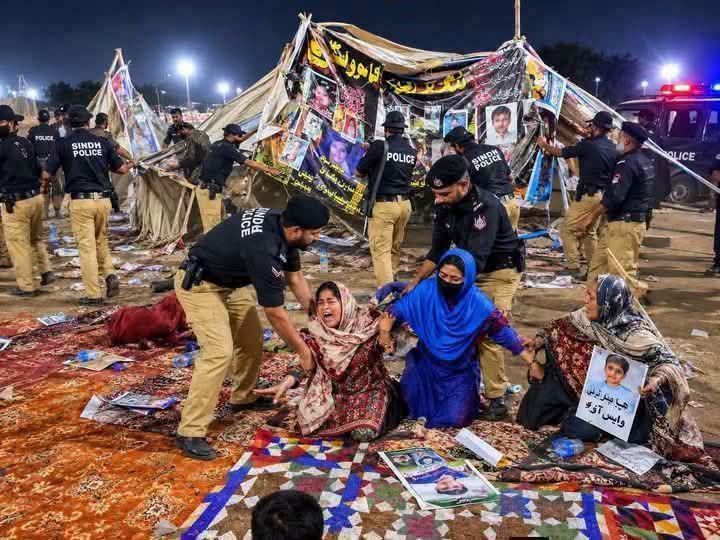
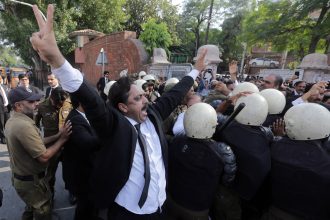
경찰 병력이 농성장으로 들어와 천막을 철거하기 시작했다. 현장에 있던 시민사회 인사들의 증언에 따르면 경찰은 곤봉을 휘둘렀고, 항의하던 여성들을 끌어냈다. 실종된 아이들을 찾아달라고 요구하던 사람들이 순식간에 진압 대상이 됐다.
사건은 여기서 끝나지 않았다. 경찰은 시위 참가자들에게 대테러법(ATA)을 적용했다. 이름이 확인된 활동가 10여 명과 신원이 특정되지 않은 시위 참가자 150여 명이 사건에 연루됐다. 혐의는 폭동, 도로 봉쇄, 반국가 구호 등이었다. 아이를 찾아달라고 호소하던 시민들이 어느 순간 ‘국가안보를 위협한 사람들’로 바뀐 것이다.
이에 지역 변호사단체들이 반발해 파업에 들어갔다. 지방법원 판사들도 고위 경찰 관계자들을 불러 평화적인 시민들에게 왜 물리력을 행사했는지 설명하라고 요구했다. 카이르푸르에서 벌어진 이 장면은 지금 파키스탄, 특히 신드주에서 벌어지는 일을 압축해 보여준다.
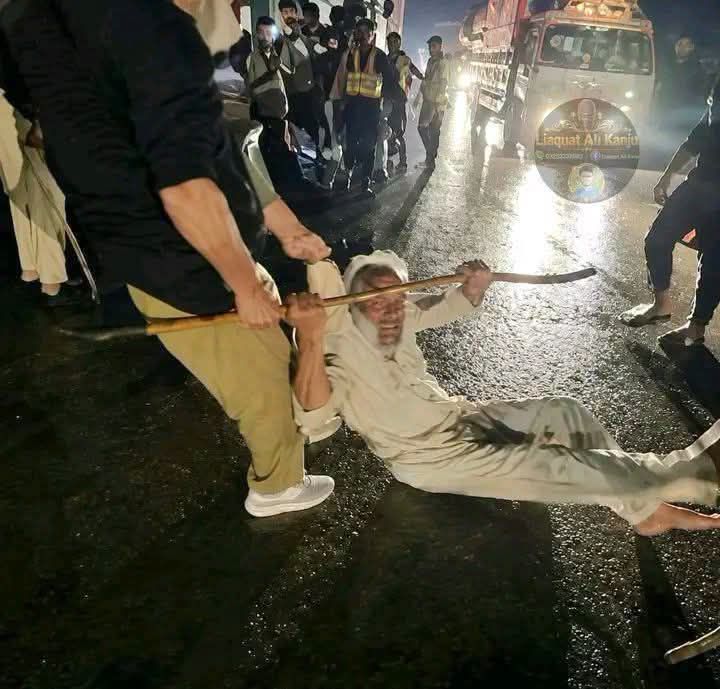
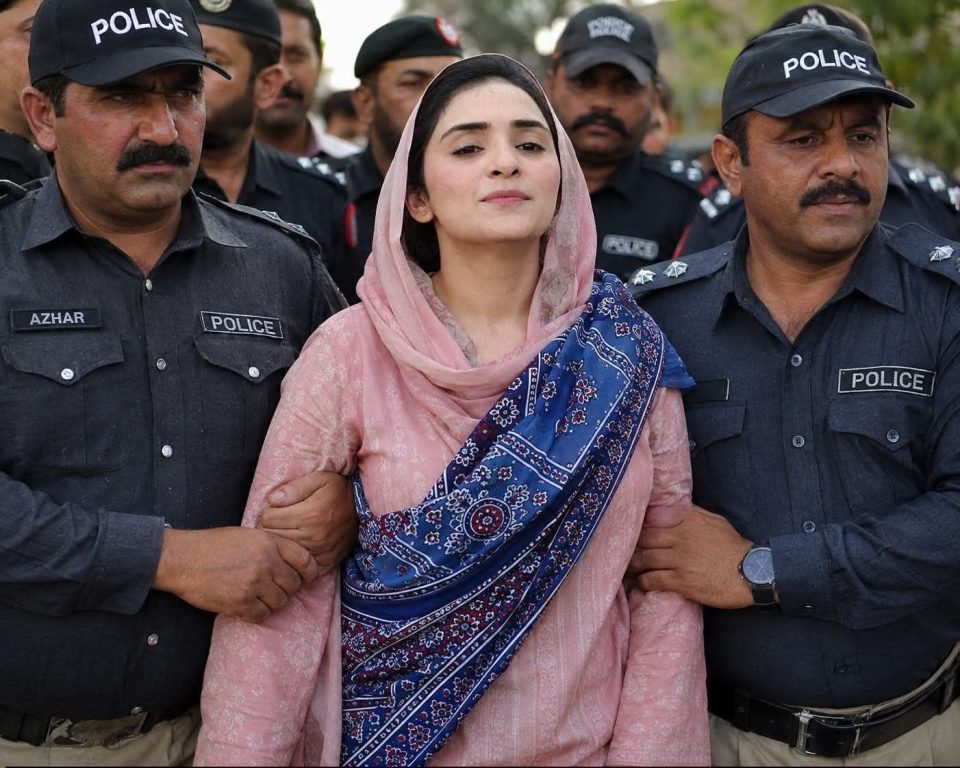
거리에서만 이런 일이 벌어지는 것은 아니다. 휴대전화 화면 안에서도 국가와 시민의 충돌이 이어지고 있다. 최근 여성 정치활동가 아르주 조키오(Arzoo Jokhio)가 경찰에 체포됐다. 지역 민족주의 단체와 연계된 그는 8월 15일 소셜미디어에 인도의 독립기념일을 축하하는 메시지를 올린 것으로 알려졌다.
한 줄의 축하 글은 곧 형사사건이 됐다. 경찰은 그에게 반역과 반국가 정서 선동 혐의를 적용했다. 조키오는 8월 17일 법정에 섰다. 경찰은 그의 신병을 확보해 조사를 계속할 수 있게 해달라고 요구했고, 법원은 그를 여성 교도소에 보내 3일간 사법구금하도록 했다. 인권단체와 지역 민족주의 세력은 거세게 반발했다. 폭력을 선동한 것도, 무장투쟁을 주장한 것도 아닌 소셜미디어 게시물 하나에 반역죄까지 적용하는 것이 과연 정당하냐는 것이다.
하지만 이런 사례는 이제 예외적인 사건으로 보기 어렵다. 파키스탄의 법률가와 인권운동가들은 최근 정치활동가와 온라인 논평자들에게 선동죄와 반역죄, 대테러법이 폭넓게 적용되고 있다고 지적한다. 정부나 국가정책에 비판적인 의견을 냈다는 이유로 정치적 표현이 국가안보 문제로 전환되는 경우가 늘고 있다는 것이다.
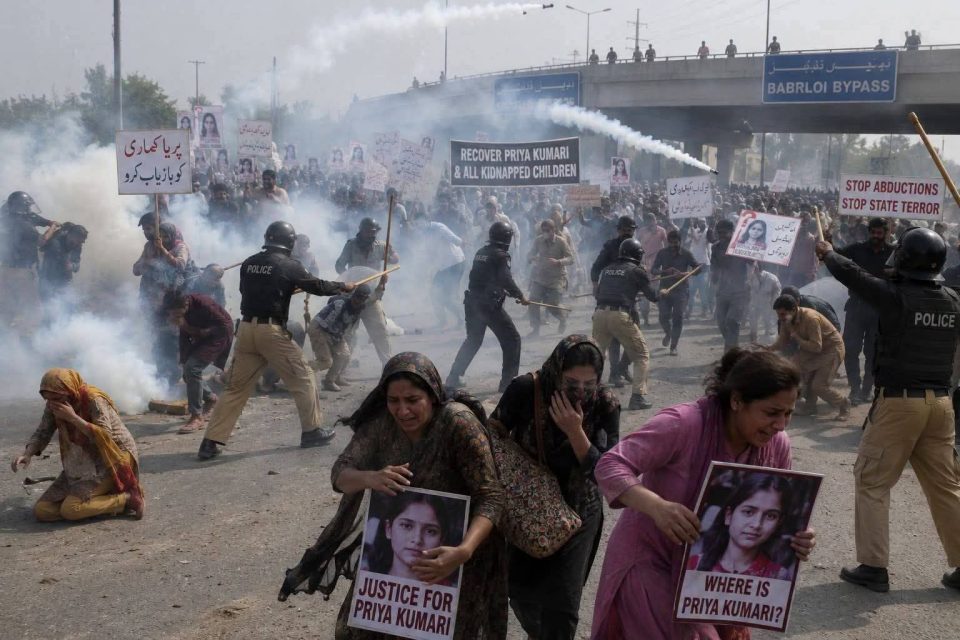
특히 신드주에서는 또 하나의 깊은 상처가 있다. ‘강제실종’ 문제다. 정치활동가와 학생, 인권운동가가 어느 날 갑자기 사라졌다는 가족들의 호소가 이어져 왔다. 이들을 찾기 위해 활동하는 ‘신드 실종자들의 목소리(Voice for Missing Persons of Sindh·VMPS)’ 같은 단체들도 당국의 압박을 받아왔다. 실종된 가족의 행방을 밝혀달라고 요구하는 활동가들의 집이 급습당했다는 증언도 나온다.
거리의 앞줄에는 여성들이 자주 선다. 실종된 발루치 학생들을 돌려달라고 외치는 여성들, 강제 개종에 반대하는 여성들, 납치된 아이를 찾아달라는 어머니와 가족들이다. 그러나 이들의 집회 역시 강제 해산과 체포, 경찰의 물리력에 직면하는 일이 반복되고 있다.
당국이 집회를 막는 데 자주 사용하는 수단 가운데 하나가 이른바 ‘144조’다. 이 조항이 발동되면 집회와 공개회의가 금지되고, 한 장소에 다섯 명 넘게 모이는 것조차 제한될 수 있다. 법 조항 하나가 발동되는 순간, 어제까지 평범한 시민이었던 사람들이 오늘은 불법 집회 참가자가 될 수 있다.
문제는 이런 과정이 반복되면서 시민들의 정당한 요구와 국가안보 사이의 경계가 점점 흐려지고 있다는 데 있다. 실종된 아이를 찾아달라는 요구, 가족의 행방을 알려달라는 호소, 정부 정책에 대한 비판, 심지어 다른 나라의 국경일을 축하하는 소셜미디어 글까지도 수사와 체포의 대상이 된다면 시민사회가 설 자리는 급격히 좁아질 수밖에 없다.
신드주의 인권단체들은 경찰의 강경 진압에 대한 독립적인 조사를 요구하고 있다. 평화적인 시위 참가자들에게 적용된 테러 혐의를 철회하고, 강제실종과 아동 납치 문제에 대해서도 정부가 실질적인 해결책을 내놓으라고 촉구한다.
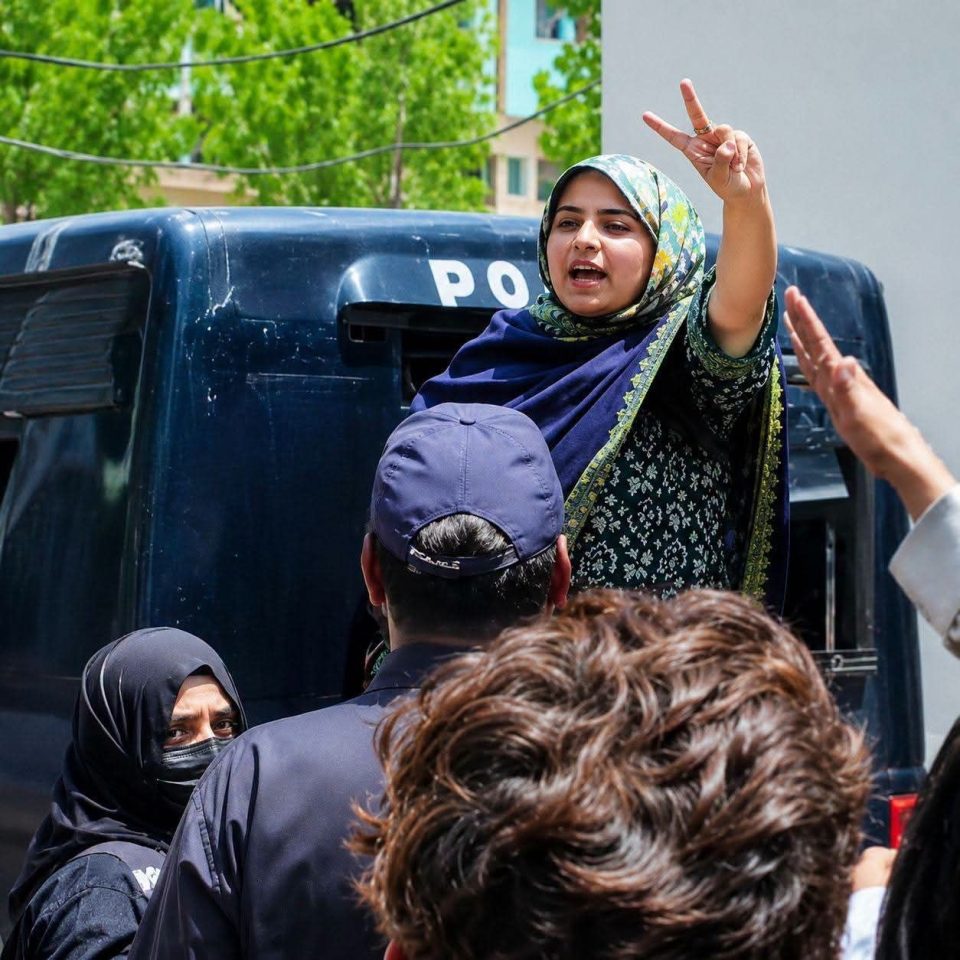
카이르푸르의 농성장에서 가족들이 원했던 것은 복잡한 것이 아니었다. “우리 아이가 어디에 있는지 알려달라.”
그러나 그 질문에 답해야 할 국가가 오히려 천막을 걷어내고 사람들을 체포하는 일이 계속된다면, 파키스탄 시민사회가 묻게 되는 질문은 하나 더 늘어난다.
“아이들은 어디에 있는가. 그리고 시민들이 마음 놓고 말할 수 있는 공간은 아직 남아 있는가.”
다음은 영어 기사 원문.
Pakistan: Civil Society Under Siege
Missing Children, Dragged Women, and a Shrinking Space for Dissent in Sindh
By Nasir Aijaz
The AsiaN Representative
Islamabad
In Khairpur district of Sindh, a small protest camp was recently set up by civil society activists, lawyers, and family members of missing children. Many of those sitting under the temporary tents were women.
Their demand was simple: bring the missing children home.
Across Sindh, 27 children have reportedly disappeared under mysterious circumstances. Among them is Priya Kumari, who was only seven years old when she was abducted in August 2021. Her disappearance has become one of the most painful symbols of the province’s unresolved child abduction cases.
Under the banner of initiatives such as the Priya Action Committee, families and activists gathered peacefully to ask what had happened to the children and why they had not yet been recovered.
Instead of answers, the protesters were met by police.
Police contingents moved into the camp and began dismantling it by force. According to statements from civil society leaders, officers baton-charged demonstrators, pulled down the camp structure, and dragged protesting women away from the site.
Within moments, people who had come to demand the recovery of missing children found themselves treated as a law-and-order threat.
The police later registered cases under Pakistan’s Anti-Terrorism Act against more than a dozen named activists and over 150 unidentified demonstrators. They were accused of rioting, blocking highways, and raising anti-state slogans.
The crackdown immediately drew condemnation. Local lawyers’ associations went on strike, while district court judges summoned senior police officials and asked them to explain why force had been used against what had been described as a peaceful civilian protest.
The Khairpur incident is not an isolated case. It reflects a wider pattern that has increasingly alarmed human rights defenders across Pakistan, and particularly in Sindh.
Political activists, students, journalists, and rights campaigners have repeatedly complained of arrests, enforced disappearances, home raids, and the use of harsh security laws against dissent.
Human rights lawyers point especially to the growing use of sedition, treason, anti-terrorism, and cybercrime laws against political workers and online commentators. Views expressed through peaceful political activity or social media are increasingly being treated as national security offences.
A recent case involving female political activist Arzoo Jokhio has brought this concern sharply into focus.
Jokhio, who is associated with a regional nationalist organization, was reportedly arrested after posting a message on social media wishing India a happy Independence Day on August 15.
A social media greeting soon became a criminal case.
Police invoked charges of treason and inciting anti-state sentiment. Jokhio was produced before a local judicial magistrate on August 17, where police sought her physical custody. The court instead sent her to a women’s prison on a three-day judicial remand while investigations continued.
Rights organizations and local nationalist groups condemned the move, arguing that a non-violent social media post should not be treated as an act of treason.
For many activists, the case illustrates how the boundary between dissent and criminality has become increasingly blurred.
The same concern extends to the issue of enforced disappearances.
In Sindh, political workers, students, and human rights campaigners have for years been reported missing under circumstances that families and rights groups describe as extrajudicial abductions.
Organizations such as the Voice for Missing Persons of Sindh have repeatedly campaigned for the return of missing relatives. Their protests, however, have also faced pressure from the state, including raids on activists’ homes and restrictions on public demonstrations.
Women have become highly visible in many of these campaigns.
They have marched for missing Baloch students, protested against forced conversions, and demanded the return of abducted children. Yet these women-led demonstrations have increasingly been met with police force, detentions, and harassment.
Authorities often invoke Section 144, a law that can prohibit rallies, public meetings, and gatherings of more than five people. Once imposed, peaceful gatherings can quickly be declared illegal, allowing police to disperse crowds and make mass arrests.
This has created a troubling situation in which citizens raising questions about social justice, disappearances, resource distribution, or state conduct can find themselves treated as security risks.
Human rights organizations are now calling for independent inquiries into police conduct in Sindh, the withdrawal of terrorism charges against peaceful protesters, and concrete measures to address enforced disappearances and child abductions.
At the heart of the Khairpur protest was not a complicated political demand.
Families were asking a basic question:
Where are our children?
But when a state responds to that question with batons, arrests, and anti-terrorism charges, another question inevitably follows.
How much space is still left in Pakistan for citizens to speak, protest, and demand answers without fear?