스리랑카는 인도양 한가운데 자리한 지리적 이점 덕분에 오래전부터 세계 해상 교통의 요충지로 꼽혀왔다. 미국과 중국, 인도가 인도·태평양 지역에서 영향력 확대를 놓고 경쟁하는 가운데, 또 하나의 강대국이 조용히 존재감을 키우고 있다. 바로 프랑스다. 프랑스는 항만 투자와 해양안보 협력, 그리고 최근에는 스리랑카 인근 해역의 석유·가스 탐사 사업까지 추진하며 스리랑카와의 협력을 빠르게 확대하고 있다. 이러한 움직임은 스리랑카가 프랑스의 인도·태평양 전략에서 점점 더 중요한 위치를 차지하고 있음을 보여준다.
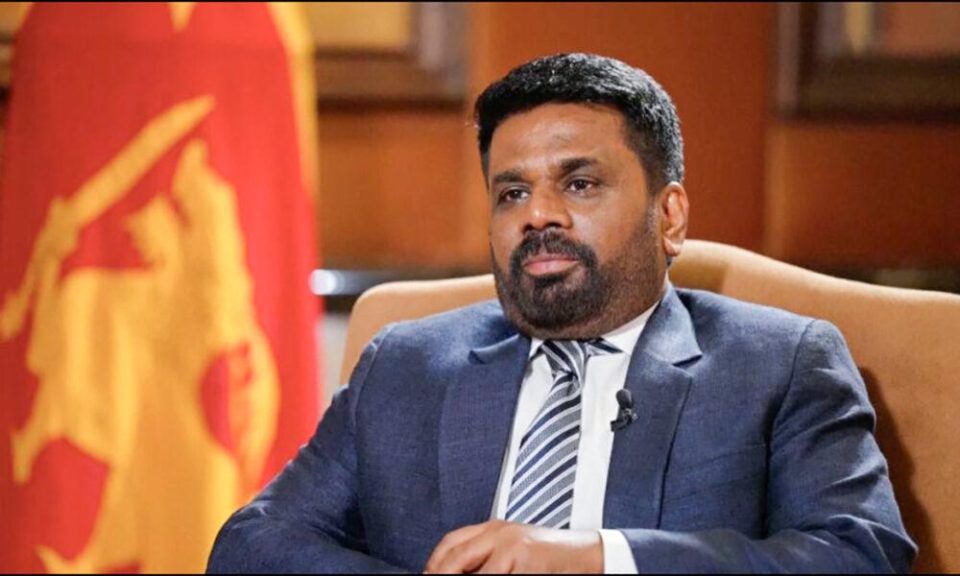
오는 16일 예정된 아누라 쿠마라 디사나야케 스리랑카 대통령의 프랑스 공식 방문도 이런 흐름 속에서 주목받고 있다. 비지타 헤라트 외교장관과 정부 대표단이 함께하는 이번 방문에서는 양국 관계뿐 아니라 투자와 무역, 해양안보, 에너지 협력이 주요 의제가 될 전망이다.
스리랑카의 전략적 가치
프랑스의 스리랑카에 대한 관심은 새로운 일이 아니다. 장프랑수아 팍테 주스리랑카 프랑스 대사는 역사와 지리를 전공한 외교관으로, 프랑스와 스리랑카가 오랜 전략적 관계를 맺어왔다는 사실을 잘 알고 있다.
스리랑카의 전략적 가치를 설명할 때 자주 인용되는 말이 있다. “트링코말리를 지배하는 자가 인도양을 지배한다.” 나폴레옹 보나파르트의 말로 널리 알려져 있지만 실제 발언 여부와 관계없이 이 문장은 트링코말리 천혜의 항구가 갖는 전략적 가치를 잘 보여준다. 인도·태평양이라는 개념이 등장하기 훨씬 전부터 트링코말리는 아시아에서 가장 중요한 해군기지 가운데 하나였다. 18세기 후반 프랑스와 영국은 이곳을 차지하기 위해 치열하게 경쟁했다. 1782년 프랑스의 피에르 앙드레 드 쉬프랭 제독은 미국 독립전쟁 기간 트링코말리를 점령하며 프랑스에 인도양의 중요한 거점을 마련했다.
오늘날 프랑스의 움직임도 이러한 역사적 경험과 무관하지 않다. 지금의 전략은 새로운 출발이라기보다 200년 넘게 이어져 온 관계의 연장선에 있다고 볼 수 있다.
마크롱의 인도·태평양 구상
프랑스가 스리랑카에 다시 관심을 보이는 것은 에마뉘엘 마크롱 대통령이 추진하는 인도·태평양 전략과 맞닿아 있다. 프랑스는 스리랑카를 단순한 섬나라가 아니라 세계에서 가장 중요한 해상 항로 가운데 하나를 품은 전략적 파트너로 보고 있다. 최근 몇 년 사이 프랑스는 스리랑카와의 협력을 꾸준히 확대해왔다.
스리랑카가 경제위기를 겪을 당시 프랑스는 파리클럽 채권국 협의체에서 채무 재조정을 지원하는 데 중요한 역할을 했다. 이러한 노력은 국제통화기금(IMF) 구제금융 합의로 이어지는 데 힘을 보탰다. 프랑스는 당시 라닐 위크레메싱게 대통령을 ‘새로운 글로벌 금융협약 정상회의’에 초청하며 스리랑카 경제 회복에 대한 지지를 보냈다.
이 같은 협력은 새 정부 들어서도 계속되고 있다. 2023년 마크롱 대통령은 태평양 순방을 마치고 귀국하는 길에 콜롬보에 들러 스리랑카 지도부와 양국 관계, 지역 안보, 해양 협력 등을 논의했다. 최근에는 인도양 주둔 프랑스군(ALINDIEN) 사령관인 에마뉘엘 슬라르 제독이 콜롬보를 방문해 스리랑카 군 수뇌부와 전략 대화를 가졌다.
이러한 외교·군사 교류는 프랑스가 스리랑카를 장기적인 인도·태평양 전략의 핵심 파트너로 보고 있음을 보여준다.
항만에서 에너지까지
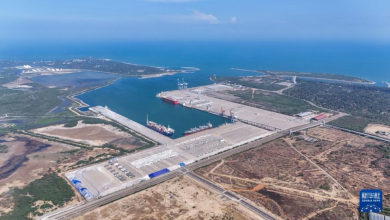
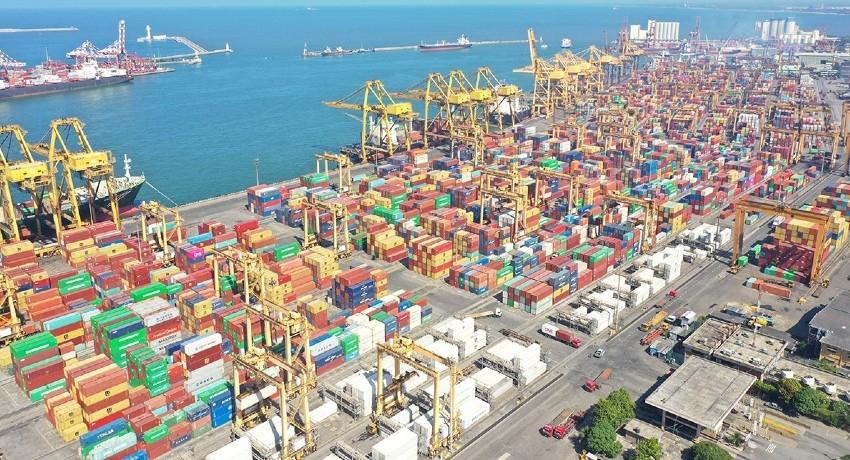
프랑스의 관심은 이제 외교를 넘어 대규모 투자로 이어지고 있다. 최근 장프랑수아 팍테 대사는 비지타 헤라트 외교장관을 만나 프랑스 기업들이 콜롬보항 동부컨테이너터미널(ECT) 개발에 큰 관심을 갖고 있다는 뜻을 전달했다. 이어 프랑스 경제사절단은 아누라 카루나틸라케 항만·해운·항공부 장관과 스리랑카항만청 관계자들을 만나 협력 방안을 논의했다.
대표단에는 세계 최대 해운기업 가운데 하나인 CMA CGM의 고위 임원들도 포함됐다. CMA CGM은 콜롬보를 아시아와 중동, 아프리카, 유럽을 잇는 핵심 환적항으로 보고 있으며, 공동투자를 통해 항만 처리 능력을 더욱 확대하는 방안을 검토하고 있다. 프랑스 측은 서부컨테이너터미널 2단계 사업 참여를 위한 타당성 조사도 진행 중이라고 밝혔다.
스리랑카로서는 단순히 투자금만 확보하는 것이 아니라 세계적인 물류 네트워크와 항만 운영 노하우까지 함께 얻을 수 있는 기회가 될 수 있다.
에너지 협력으로 확대되는 프랑스 전략
디사나야케 대통령의 프랑스 방문은 단순한 외교 일정 이상의 의미를 갖는다. 정치 현안뿐 아니라 경제 협력이 핵심 의제가 될 것으로 보인다. 대통령은 CMA CGM의 로돌프 사데 회장을 만나 항만 투자 확대 방안을 논의할 예정이다. 또 유럽연합(EU)과의 무역 확대와 함께 스리랑카 의류산업과 수출경제에 중요한 GSP+ 관세혜택 유지도 주요 의제가 될 전망이다.
한편 또 다른 움직임도 국제사회의 관심을 끌고 있다. 프랑스 투자자들이 스리랑카 인근 해역에서 석유와 천연가스 탐사 가능성을 검토하고 있는 것이다. 아직 초기 단계지만 프랑스의 관심이 항만을 넘어 에너지 분야로까지 확대되고 있음을 보여준다.
인도·태평양 지역에서 에너지 안보의 중요성이 커지는 가운데 스리랑카의 해양 전략 가치는 더욱 높아지고 있다. 만약 상업적 개발로 이어질 경우 스리랑카의 장기 에너지 전략은 물론 수입 연료 의존도에도 적지 않은 변화가 예상된다. 외환 부족과 높은 에너지 비용에 시달려 온 스리랑카로서는 자체 해양 에너지 자원 확보 가능성만으로도 큰 의미를 갖는다.
스리랑카의 기회와 균형 외교
프랑스의 스리랑카 진출은 미국과 중국, 인도가 경쟁하는 인도양 전략 구도에도 새로운 변수가 되고 있다. 하지만 스리랑카가 가장 중요하게 고려해야 할 것은 어느 한 나라에 치우치지 않는 균형 외교다. 항만과 에너지, 물류 분야에 대한 프랑스의 투자는 경제 회복과 인프라 개선, 에너지 안보 강화에 도움이 될 수 있다. 동시에 유럽 시장 접근성을 넓히고 EU 투자 확대의 계기가 될 가능성도 있다. 그러나 이러한 기회가 성과로 이어질지는 결국 스리랑카의 선택에 달려 있다. 외국인 투자는 투명한 정책과 건전한 거버넌스, 그리고 국가의 장기적 이익이라는 원칙 아래 추진될 때 비로소 지속 가능한 발전으로 이어질 수 있다.
스리랑카의 지리적 가치는 수세기 동안 변하지 않았다. 앞으로 달라질 것은 그 지리적 이점을 어떻게 활용하느냐이다. 디사나야케 대통령의 프랑스 방문은 단순한 정상외교를 넘어, 빠르게 변화하는 인도·태평양 질서 속에서 스리랑카와 유럽의 새로운 협력 모델을 모색하는 중요한 계기가 될 수 있다.
그 기회를 얼마나 현명하게 살리느냐가 스리랑카의 미래를 결정할 것이다.
다음은 영어 원문
France’s Indo-Pacific Strategy Finds a New Anchor in Sri Lanka
-Energy, Ports, and a New Contest in the Indian Ocean
By Leo Nirosha Darshan
COLOMBO — Sri Lanka’s location at the center of the Indian Ocean has long made it one of the world’s most strategically important maritime crossroads. As competition for influence intensifies among the United States, China, and India, another major player is steadily expanding its presence: France.
Paris is deepening its engagement with Sri Lanka through investments in ports, maritime cooperation, and, most recently, proposed oil and gas exploration near Sri Lankan waters. Taken together, these developments suggest that France is pursuing a broader Indo-Pacific strategy in which Sri Lanka occupies an increasingly important place.
President Anura Kumara Dissanayake’s official visit to France on July 16 comes at a particularly significant moment. Accompanied by Foreign Minister Vijitha Herath and a senior delegation, the visit is expected to focus not only on bilateral relations but also on investment, trade, maritime security, and energy cooperation.
A Relationship Rooted in History
France’s interest in Sri Lanka is not new. The current French Ambassador to Sri Lanka, Jean-François Pactet, whose academic background includes history and geography, is well aware of the country’s long strategic relationship with the island. One of the most enduring geopolitical observations associated with Sri Lanka is the famous saying often attributed to Napoleon Bonaparte: “He who controls Trincomalee controls the Indian Ocean.”
Whether or not Napoleon actually used those exact words, the message reflects the strategic importance of Trincomalee’s natural harbor. Long before the modern Indo-Pacific became a geopolitical concept, Trincomalee served as one of the region’s most valuable naval bases. During the late eighteenth century, France and Great Britain fought fiercely for influence there. In 1782, Admiral Pierre André de Suffren captured Trincomalee during the American Revolutionary War, briefly giving France control of one of the finest natural harbors in Asia.
That history continues to shape France’s strategic thinking today. Rather than representing a completely new interest, France’s current engagement can be seen as a continuation of a relationship that stretches back more than two centuries.
Macron’s Indo-Pacific Strategy Takes Shape
France’s renewed interest in Sri Lanka is part of a broader Indo-Pacific strategy championed by President Emmanuel Macron. For Paris, Sri Lanka is more than a small island nation. It sits astride one of the world’s busiest shipping routes, making it an important partner for both maritime security and regional trade. France has steadily expanded its engagement with Colombo in recent years. During Sri Lanka’s economic crisis, France played an important role within the Paris Club of creditor nations in supporting the country’s debt restructuring efforts. Those negotiations helped clear the way for Sri Lanka to secure financial assistance from the International Monetary Fund (IMF).
France also invited then-President Ranil Wickremesinghe to participate in the Summit for a New Global Financing Pact in Paris, signaling its commitment to Sri Lanka’s economic recovery. That engagement has continued under the new Sri Lankan administration. In 2023, President Macron made an unscheduled stop in Colombo during his return from the Pacific, holding discussions with Sri Lankan leaders on bilateral relations, regional security, and maritime cooperation.
More recently, Rear Admiral Emmanuel Slaars, Commander of the French Armed Forces in the Indian Ocean (ALINDIEN), visited Colombo for talks with Sri Lanka’s military leadership. Taken together, these diplomatic and military exchanges suggest that France sees Sri Lanka as an increasingly important partner in its long-term Indo-Pacific strategy.
Ports Become the New Strategic Priority
France’s growing interest is now extending beyond diplomacy into major infrastructure investment. Last week, French Ambassador Jean-François Pactet met Foreign Minister Vijitha Herath to convey the strong interest of French companies in Sri Lanka’s port sector, particularly the development of the Colombo Port’s Eastern Container Terminal (ECT).
Soon afterward, the ambassador led a delegation of French business executives to meet Minister of Ports, Shipping and Aviation Anura Karunathilake and senior officials of the Sri Lanka Ports Authority. The delegation included senior representatives of CMA CGM, one of the world’s largest container shipping companies.
Operating terminals in more than 60 countries, CMA CGM views Colombo as an increasingly important transshipment hub connecting Asia, the Middle East, Africa, and Europe. The company is exploring opportunities to expand investment in Sri Lanka through joint ventures aimed at increasing container capacity and strengthening Colombo’s role in regional shipping.
French representatives also confirmed that feasibility studies are underway for possible participation in the second phase of the West Container Terminal project. For Sri Lanka, these investments would bring not only additional capital but also access to global logistics networks and advanced port management expertise.
From Ports to Energy
President Dissanayake’s visit to France is expected to be far more than a routine diplomatic engagement. Alongside political discussions, economic cooperation is likely to dominate the agenda. One of the President’s key meetings is expected to be with Rodolphe Saadé, Chairman and CEO of CMA CGM, whose company has shown growing interest in expanding its investments in Sri Lanka’s port sector.
If agreements are reached, they could strengthen Colombo’s position as one of the Indian Ocean’s leading transshipment hubs while attracting additional foreign investment into the country’s logistics industry.
Trade will also feature prominently during the visit. Sri Lanka hopes to deepen its economic relationship with France and the European Union while securing continued access to the EU’s GSP+ trade preferences, which remain vital for the country’s apparel industry and export-driven economy. For Colombo, maintaining these trade concessions is as important as attracting new investment.
At the same time, another development is beginning to attract international attention. French investors are reportedly exploring opportunities for oil and gas exploration in maritime areas near Sri Lanka. Although the project remains at an early stage, it signals that France’s interests may extend well beyond ports and shipping.
Energy security is becoming an increasingly important part of the Indo-Pacific strategic landscape, and Sri Lanka’s maritime location gives it growing importance in that equation. If exploration eventually leads to commercial development, it could reshape Sri Lanka’s long-term energy strategy while reducing its dependence on imported fuel. For a country that has struggled with repeated foreign exchange shortages and high energy costs, even the possibility of domestic offshore energy resources carries significant economic implications.
France’s growing interest therefore reflects more than a series of isolated investment opportunities. It suggests a broader strategy linking ports, shipping, energy, and maritime security into a single framework. For Sri Lanka, this presents both opportunities and challenges.
The country has the chance to attract new investment and diversify its international partnerships. At the same time, it must ensure that economic cooperation serves its long-term national interests rather than becoming another arena for geopolitical rivalry.
A New Player in an Old Contest
France’s expanding role in Sri Lanka is unlikely to go unnoticed. The Indian Ocean has become one of the world’s most contested strategic regions, with the United States, China, and India all seeking to strengthen their presence through investment, security cooperation, and maritime partnerships.
France is not entering this competition as a newcomer. As an Indo-Pacific nation with overseas territories and military deployments across the region, it has long regarded freedom of navigation and maritime security as core national interests.
Its growing engagement with Sri Lanka reflects that broader strategic outlook. For Colombo, however, the challenge is different. Sri Lanka’s greatest advantage lies in its geography, but geography alone does not guarantee prosperity. The country must carefully balance its relationships with all major partners while avoiding overdependence on any single power. That requires diplomacy that is both pragmatic and independent.
France’s growing interest offers Sri Lanka another opportunity to diversify its international partnerships. Investment in ports, logistics, and energy could contribute to economic recovery, strengthen infrastructure, and improve long-term energy security. Equally important, closer economic ties with France could reinforce Sri Lanka’s access to European markets and encourage broader investment from the European Union.
Whether these opportunities become lasting achievements will depend on how Sri Lanka manages them. Foreign investment can accelerate development, but only if it is guided by transparent policies, sound governance, and long-term national priorities. The value of Sri Lanka’s location has remained constant for centuries.
What changes is how each generation chooses to use that advantage. President Anura Kumara Dissanayake’s visit to France therefore represents more than another state visit. It offers an opportunity to redefine Sri Lanka’s relationship with Europe at a time when the balance of power in the Indo-Pacific is rapidly evolving.
If managed wisely, today’s diplomatic initiatives could help strengthen Sri Lanka’s economic resilience while preserving its strategic autonomy in an increasingly competitive region.
▼ 아시아엔 후원계좌 ▼