칼날 위에 선 스리랑카 외교…함반토타항 둘러싼 미·중·인도 각축

스리랑카 정부는 거센 국제적 압력 속에서 외국 연구선과 선박의 입항을 한시적으로 금지했으나, 결국 모든 국가에 동일하게 적용되는 표준운영절차를 마련해 항구를 다시 개방하는 방향으로 선회했다. 이러한 민감한 정책 전환은 세계 강대국들의 지정학적 경쟁이 격화하는 가운데 엄격한 중립을 유지하려는 콜롬보가 얼마나 큰 외교적 압박을 받고 있는지를 보여준다.
중국의 역내 해양 영향력 확대에 대응하기 위해 쿼드의 핵심 참여국인 인도와 미국은 스리랑카와의 안보·경제 협력을 크게 강화하고 있다. 스리랑카가 외교적 줄타기를 이어가는 상황에서 베이징·뉴델리·워싱턴과의 복잡한 관계를 살펴보면, 오늘날 남아시아 지정학을 규정하는 고도의 균형외교를 이해할 수 있다.
중국 인민해방군 창설 99주년을 맞아 치전훙 주스리랑카 중국대사는 콜롬보에서 열린 기념 리셉션에서 기조연설을 했다. 치 대사는 이 자리에서 중국이 스리랑카와의 국방·군사 협력을 더욱 강화하겠다고 밝혔다.
그는 양국의 오랜 관계를 강조하며 스리랑카군에 대한 인력 양성, 장비 지원, 기술 교류 등 현재 진행 중이거나 앞으로 추진될 다양한 협력 사업을 소개했다. 또한 사이클론 디트와가 초래한 피해 이후 중국이 스리랑카 국방부에 1천만 위안 상당의 구호물자를 제공했다고 밝혔다.
표면적으로는 통상적인 양국 간 군사협력으로 보일 수 있지만, 일부 지역 분석가들은 이를 남아시아와 인도양에서 벌어지는 강대국 간 영향력 경쟁의 맥락에서 주목할 만한 지정학적 행보로 해석한다.
함반토타항의 딜레마와 군민 겸용 우려
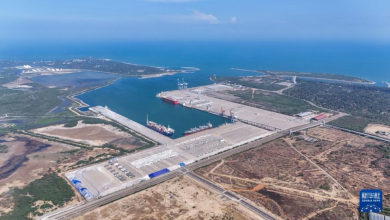
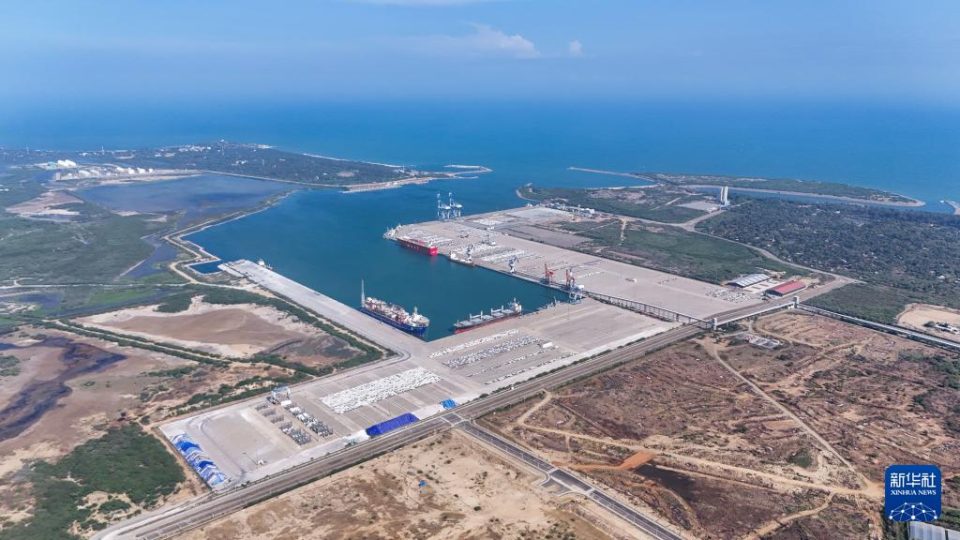
중국과 스리랑카 관계의 중심에는 함반토타 국제항이 있다. 이 항구는 인도와 미국이 제기하는 전략적 우려의 주요 대상이다. 중국 국유기업이 주도하는 법인에 99년간 임대된 함반토타항은 일부 서방 인사들로부터 이른바 ‘부채 함정 외교’의 대표 사례로 지목돼 왔다.
함반토타항은 상업항으로 빠르게 발전하고 있지만, 미국과 인도의 안보 관계자들은 이 항구가 장차 군민 겸용 시설로 활용될 가능성을 우려한다. 평상시에는 상업적 목적으로 운영되더라도 군사적 위기 상황에서는 중국이 전략적으로 활용할 수 있다는 주장이다.
주요 국제항로와 가까운 함반토타항에 중국의 상시적인 군사 거점이 들어설 경우 인도양의 안보 구도와 세력 균형에 상당한 영향을 미칠 수 있다. 이는 워싱턴과 뉴델리가 예의주시하는 시나리오다.
중국 연구선 논란과 해양조사
최근 수년 동안 위안왕 5호와 스옌 6호 등 중국의 첨단 해양과학 연구선이 스리랑카 항구에 입항하면서 국제적 논란이 일었다.
인도와 미국은 이들 선박의 활동에 우려를 표시했다. 해양과학 조사를 명분으로 내세우고 있지만, 전자정보 수집이나 해저 지형 자료 확보에도 활용될 가능성이 있다는 이유에서다. 특히 인도 내 민감한 군사시설과 디에고가르시아 기지 주변의 안보 환경에 영향을 줄 수 있다는 의혹이 제기됐다.
강대국 간 정보·안보 경쟁의 한가운데 놓인 스리랑카 정부는 처음에는 외국 연구선과 연구사업에 한시적 제한을 부과했다. 이후 상충하는 지정학적 요구를 조정하기 위해 모든 국가에 공통으로 적용되는 규정과 절차를 마련하는 방향으로 정책을 전환했다. 이는 전략적 자율성을 추구하는 스리랑카가 직면한 외교적 부담을 보여준다.
인도와 미국의 대응 전략: 경제·안보 협력 강화
중국의 해양 영향력 확대에 대응해 인도와 미국은 스리랑카와의 국방·경제 협력을 강화하고 있다.
인도는 콜롬보 안보 콘클라베를 적극 활용하고, 스리랑카 해군본부에 해양구조조정센터를 구축하는 한편 역내 해양감시 협력을 확대해 왔다. 또한 스리랑카의 채무 재조정을 지원하고 경제적 지원을 제공함으로써 인접한 남쪽 해양국가에 대한 전통적 영향력을 유지하려 하고 있다.
미국 역시 스리랑카와의 경제·안보 협력을 확대하고 있다. 미국 국제개발금융공사와 관련된 콜롬보항 서부 컨테이너터미널 사업은 중국의 항만 투자에 대응하는 전략적 경제협력 사례로 평가돼 왔다. 미국은 경제협력을 인도·태평양 지역 구상과 연계해 역내 전략적 입지를 유지하려 하고 있다.
지정학적 칼날 위를 걷는 스리랑카
치전훙 주스리랑카 중국 대사의 최근 발언은 중국이 스리랑카에 장기적인 전략적 이해관계를 갖고 있음을 다시 보여준다. 그러나 경제 회복 과정에서 인도의 지원에 크게 의존하고, 국제통화기금 등 국제 금융기관의 지원도 필요로 하는 스리랑카에 이러한 삼각관계는 칼날 위를 걷는 것과 같다.
콜롬보 정부가 직면한 궁극적인 외교적 과제는 국가 주권과 전략적 자율성을 지키는 것이다. 인도의 핵심 안보 우려를 심각하게 자극하지 않으면서도, 국내 경제 안정을 위해 필요한 중국의 개발·금융 지원을 유지해야 한다.
아래는 영어 원문
Sri Lanka Walks a Geopolitical Tightrope as Powers Compete Over Hambantota Port
Colombo: After temporarily restricting foreign research vessels amid mounting international pressure, the Sri Lankan government moved toward reopening its ports under standardized operating procedures applicable to all countries. This sensitive policy shift illustrates the intense diplomatic pressure Colombo faces as it seeks to preserve neutrality and strategic autonomy amid intensifying competition among global powers.
To counter China’s expanding maritime influence in the Indian Ocean, India and the United States—two key members of the Quad strategic grouping—have significantly strengthened their security and economic engagement with Sri Lanka. The island nation’s complex relationships with Beijing, New Delhi and Washington reveal the high-stakes balancing act that increasingly defines contemporary South Asian geopolitics.
Marking the 99th anniversary of the founding of China’s People’s Liberation Army, Chinese Ambassador to Sri Lanka Qi Zhenhong delivered a keynote address at a reception in Colombo. During the event, Ambassador Qi announced that China would further strengthen its defence and military cooperation with Sri Lanka.
Highlighting the two countries’ longstanding ties, the ambassador referred to a range of ongoing and planned initiatives, including military training for Sri Lankan personnel, equipment support and technical cooperation. He also noted that China had provided relief supplies worth 10 million yuan to Sri Lanka’s Ministry of Defence following the destruction caused by Cyclone Ditwah.
Although these initiatives may appear to be part of routine bilateral military cooperation, some regional analysts view them as a significant geopolitical development within the broader context of intensifying great-power competition in South Asia and the Indian Ocean.
The Hambantota Port Dilemma and Dual-Use Concerns
At the heart of China-Sri Lanka relations lies Hambantota International Port, which remains a major source of strategic concern for both India and the United States. The port, leased for 99 years to a company largely controlled by Chinese state-owned enterprises, has frequently been portrayed by some Western policymakers and commentators as an example of so-called “debt-trap diplomacy,” although that interpretation remains contested.
Hambantota has developed rapidly as a commercial port. Nevertheless, Indian and US security officials remain concerned that the facility could eventually acquire a dual-use role. While operating commercially in peacetime, they argue, it could potentially provide logistical or strategic support to Beijing during a military crisis.
Located close to major international shipping lanes, a permanent Chinese military presence at Hambantota could significantly affect the security architecture and balance of power in the Indian Ocean. Such a possibility is closely watched by both Washington and New Delhi.
Chinese Research Vessels and Maritime Surveys
In recent years, visits by advanced Chinese maritime research and tracking vessels, including Yuan Wang 5 and Shi Yan 6, to Sri Lankan ports have generated considerable international controversy.
India and the United States have expressed concern that although these vessels officially conduct scientific and maritime research, their advanced equipment may also be capable of gathering electronic intelligence, mapping seabed topography and monitoring military communications.
Some analysts have raised concerns that such activities could affect the security environment surrounding sensitive Indian military facilities and the strategically important US-British base on Diego Garcia. These claims, however, remain difficult to verify independently.
Caught between competing security demands, the Sri Lankan government initially imposed temporary restrictions on foreign research vessels and projects. Colombo later moved toward establishing uniform rules and operating procedures applicable to all countries.
This policy shift reflects the diplomatic strain involved in Sri Lanka’s effort to preserve strategic autonomy while responding to the security concerns of its international partners.
India and the US Response: Deeper Economic and Security Cooperation
In response to China’s growing maritime presence, India and the United States have expanded their defence, maritime security and economic cooperation with Sri Lanka.
India has strengthened cooperation through the Colombo Security Conclave, supported the establishment of a Maritime Rescue Coordination Centre at Sri Lankan Navy Headquarters and promoted the integration of regional maritime surveillance networks.
New Delhi has also played an important role in Sri Lanka’s economic recovery by providing emergency financial assistance and supporting debt restructuring. Through these measures, India seeks to maintain its longstanding influence in a neighbouring country located immediately south of its coastline.
The United States has similarly sought to strengthen its strategic and economic engagement with Sri Lanka. In 2023, the US International Development Finance Corporation announced a proposed loan of up to $553 million for the Colombo West International Terminal project.
The project developer later withdrew the financing request and announced that it would fund the terminal through its own resources. Nevertheless, Washington’s initial involvement demonstrated the strategic significance that the United States attaches to port infrastructure and economic engagement in Sri Lanka.
By connecting commercial investment with broader Indo-Pacific security cooperation, the United States aims to maintain a strong strategic position in the region.
Navigating a Geopolitical Knife-Edge
Ambassador Qi Zhenhong’s recent announcement serves as a reminder that Beijing continues to maintain significant long-term strategic interests in Sri Lanka.
Yet Sri Lanka also depends heavily on Indian assistance for its economic recovery and on international financial institutions, including the International Monetary Fund, for financial stability. Managing these overlapping relationships is therefore similar to walking along a geopolitical knife-edge.
The ultimate diplomatic challenge for the government in Colombo is to protect Sri Lanka’s sovereignty and strategic autonomy. It must avoid actions that seriously undermine India’s core security concerns while continuing to benefit from Chinese investment, development assistance and financial cooperation.
Sri Lanka’s challenge is not simply to choose between China, India and the United States. It is to establish transparent and consistently applied policies that allow the country to cooperate with all major partners without permitting any external power to dominate its strategic decisions.