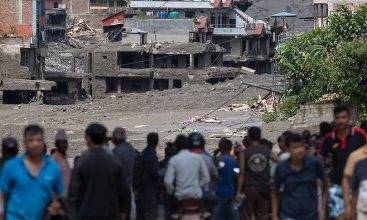
파키스탄 ‘물 시위’, AI 풍자와 조롱으로 번지다 파키스탄인민당(PPP)이 7월 12일 남부 신드주 전역에서 인도의 ‘물 테러’를 규탄하는 대규모 시위를 열었다. 시위는 인도가 1960년 체결된 인더스강 조약(Indus Waters Treaty)을 일방적으로 무시하고 있다고 비판하는 데 초점을 맞췄다.
그러나 이번 시위는 인도보다 오히려 파키스탄 내부에서 더 큰 논란을 불러일으켰다. 시민들과 정치권에서는 “국가적인 문제라면 왜 신드주에서만 시위를 열었느냐”며 의문을 제기했다. 또 중앙정부의 연립여당인 PPP가 전국적인 대응 대신 지방에서만 집회를 연 이유를 따져 물었다.
정치권과 전문가들은 PPP의 이번 시위가 단순히 인도를 비판하기 위한 것만은 아니라고 분석한다. 신드주의 물 부족 문제와 중앙정부를 향한 정치적 압박 등 여러 국내 정치적 계산이 깔려 있다는 것이다.
첫째, 신드주의 심각한 물 부족에 대한 주민들의 불만을 밖으로 돌리려는 의도가 있다는 분석이다. 신드주는 오랫동안 농업용수 부족과 인더스강 하구의 바닷물 유입으로 큰 피해를 겪고 있다. 야당과 시민단체는 신드주를 20년 가까이 통치한 PPP가 물 관리를 제대로 하지 못했고, 일부 대지주들이 운하의 물을 독점하도록 방치했다고 비판해 왔다. 이런 상황에서 인도를 강하게 비난하면 주민들의 불만이 지방정부 대신 외부로 향할 수 있다는 것이다.
둘째, 중앙정부와 펀자브주를 압박하려는 의도도 있는 것으로 해석된다. 신드주는 오래전부터 펀자브주가 자신의 몫보다 많은 강물을 사용하고 있다고 주장해 왔다. PPP는 시위에서 “죽더라도 인더스강은 내줄 수 없다”는 구호를 내세우며 중앙정부가 1991년 물 분배 협정을 제대로 이행하도록 압박했다.
셋째, 국가 안보 문제에서 강경한 태도를 보여 군부와 보조를 맞추려는 정치적 계산도 있다는 분석이다. 일부 신드주 장관들은 “인도가 파키스탄의 물을 끊으면 전쟁도 불사하겠다”고 경고하는 등 수위를 높인 발언을 쏟아냈다.
하지만 이러한 발언은 소셜미디어에서 오히려 풍자의 대상이 됐다. 중앙정부는 신중한 태도를 유지하는데 지방정부 장관들이 핵보유국인 인도를 상대로 전쟁까지 언급하는 모습이 현실과 동떨어졌다는 반응이 이어졌다.
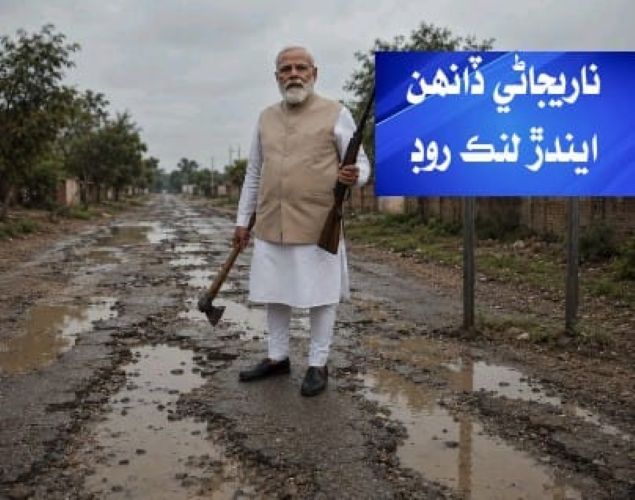
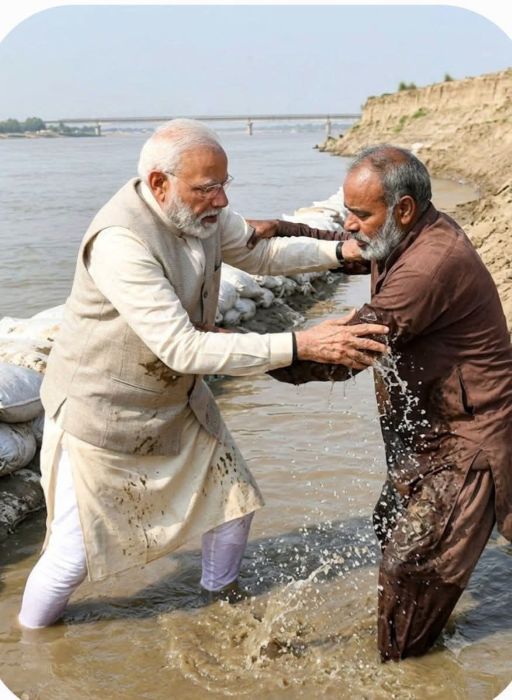
온라인에서는 “나렌드라 모디 총리가 직접 신드주의 수도꼭지를 잠그러 왔느냐”는 농담이 퍼졌고, AI가 제작한 풍자 이미지도 빠르게 확산됐다.
SNS에는 모디 총리가 거대한 수도꼭지를 들고 강바닥에 서 있거나, ‘신드’라고 적힌 초대형 물밸브 위에 앉아 있는 모습 등을 담은 AI 이미지가 잇따라 올라왔다.
PPP는 이번 시위를 통해 인도에 맞서는 강경한 이미지를 부각하려 했지만, 많은 시민들은 AI 풍자 이미지와 밈(Meme)을 통해 지방정부가 국제 문제를 지나치게 정치적으로 활용하고 있다고 비판했다.
Pakistan’s ‘Water Protests’ Trigger Political Debate, AI Satire
By Nasir Aijaz/ The AsiaN Representative
ISLAMABAD – The Pakistan People’s Party (PPP) staged province-wide rallies across Sindh on July 12, protesting what it described as India’s “water terrorism” over the 1960 Indus Waters Treaty (IWT).
Rather than uniting public opinion against India, however, the protests sparked a heated political debate within Pakistan. Critics questioned why the PPP, a key partner in the federal coalition government, chose to organize demonstrations only in Sindh instead of launching a nationwide campaign or pressing the federal government to take formal diplomatic action.
Political observers and nationalist leaders believe the rallies were driven as much by domestic politics as by foreign policy.
One widely shared view is that the PPP sought to divert growing public frustration over Sindh’s worsening water crisis. The province has long suffered from severe water shortages, threatening agriculture and accelerating seawater intrusion into the Indus Delta. Critics accuse the PPP, which has governed Sindh for nearly two decades, of failing to ensure fair water distribution while allowing influential landlords to divert canal water to their own farms.
By directing public anger toward India, analysts say, the party attempted to shift attention away from its own record on water management.
The rallies also carried a political message for the federal government and Punjab Province. Water sharing has long been one of Pakistan’s most sensitive inter-provincial disputes, with Sindh repeatedly accusing Punjab of drawing more than its fair share of river water.
Under the slogan “Marsoon Marsoon, Sindhu Na Desoon” (“We will die, but we will never surrender the Indus”), the PPP urged the federal government to fully implement the 1991 Water Accord and ensure equitable water distribution among the provinces.
Some analysts also believe the party sought to reinforce its nationalist credentials by adopting a tougher stance on a major national security issue. Several provincial ministers warned that Pakistan would have “no option but war” if India attempted to cut off its water supply.
Those remarks, however, quickly became the subject of widespread ridicule on social media. Many users questioned why provincial ministers were threatening a neighboring nuclear power while the federal government remained largely silent.
Online commentators joked that Indian Prime Minister Narendra Modi must have personally walked to Sindh to shut off its water supply.
The mockery intensified as AI-generated satirical images went viral. Popular caricatures portrayed Modi holding a giant faucet in a dried-up riverbed or sitting atop a massive water valve labeled “Sindh.”
While the PPP intended the rallies to project defiance against India, many Pakistanis instead used AI-generated memes and online satire to criticize what they saw as the politicization of an international dispute for domestic political gain.
▼ 아시아엔 후원계좌 ▼