파키스탄 최대 사회안전망인 베나지르 소득지원 프로그램(BISP·Benazir Income Support Programme)이 최근 파키스탄 감사원(Auditor General of Pakistan) 감사보고서가 공개되면서 의회의 집중적인 검증 대상이 되고 있다. 예산안 심의는 통상 세금과 거시경제 지표가 주요 쟁점이지만, 이번에는 BISP 데이터베이스에서 드러난 대규모 이상 사례가 논란의 중심에 섰다.
가장 충격적인 사례는 전산화된 국가신분증(CNIC) 한 개가 공식 가족관계 등록 시스템에서 5,000명이 넘는 여성 수혜자의 ‘남편’으로 연결돼 있었다는 사실이다.
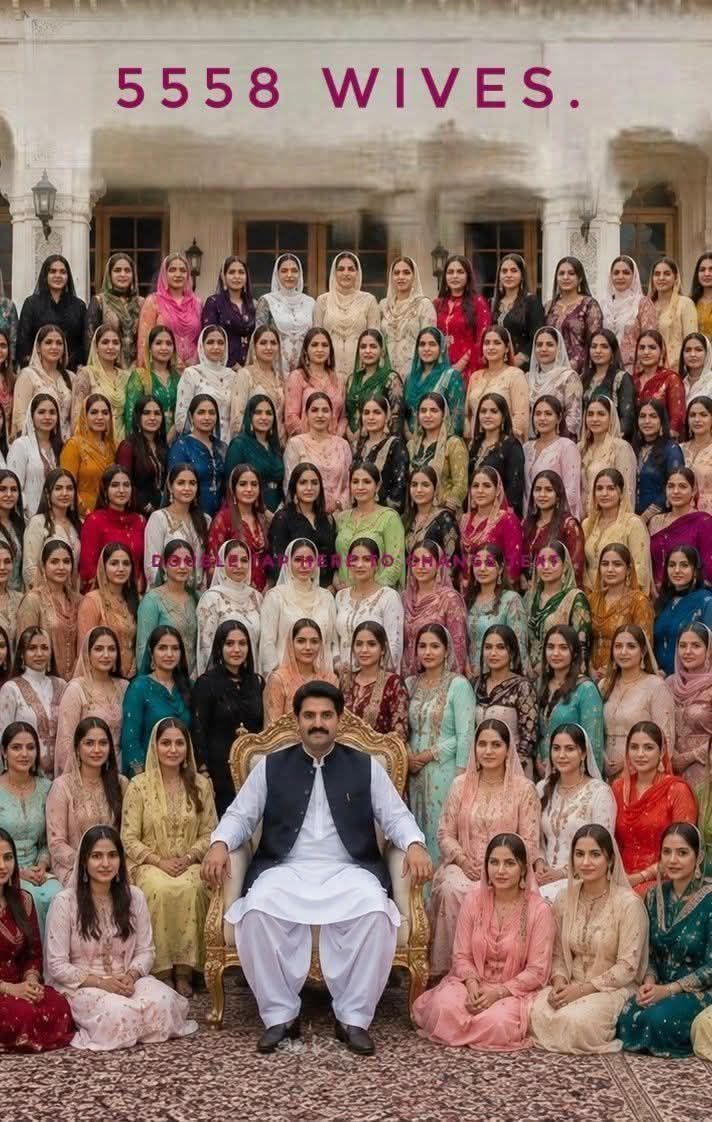
이 논란과 맞물려 AI가 생성한 이미지도 소셜미디어에서 빠르게 확산됐다. 전통 의상을 입은 한 남성이 수백 명의 여성들 앞에 위엄 있게 앉아 있고, 위에는 ‘5558명의 아내(5558 WIVES)’라는 문구가 적힌 이미지다.
이 이미지는 감사 결과를 통해 드러난 국가 데이터베이스의 허점과 구조적 부패를 풍자하는 과장된 사회적 풍자물로 받아들여지고 있다.
최근 예산안 심의 과정에서 야당 의원들은 감사원 보고서를 근거로 정부를 강하게 질타했다. 의원들은 BISP의 국가사회경제등록시스템(NSER)과 국가데이터등록청(NADRA) 간 데이터 연계가 제대로 이뤄지지 않았다고 지적했다. 이 같은 허점을 악용해 일부 부정 행위자들이 가족관계 정보를 조작했고, 수천 명의 여성 수혜자를 동일한 남성 신분증 번호에 연결해 지원금을 받을 수 있도록 했다는 것이다.
감사 결과에 따르면 프로그램 전반에서 확인된 부정 집행과 데이터 오류 규모는 약 250억 파키스탄 루피에 달한다. 이 가운데 상당액은 정부 공무원 본인이나 배우자가 불법적으로 지원금을 받은 사례로 확인됐다.
특히 수천 명의 ‘아내’가 한 명의 남성 신원에 연결돼 있었다는 사실이 알려지자 시민들은 “정부가 한 남성의 초대형 가족을 먹여 살리고 있다”며 조롱 섞인 농담을 쏟아냈다.
한 평론가는 “BISP 데이터베이스에서 한 남성이 5,558명의 아내를 둔 것으로 나타난 바이럴 농담은 행정 부실과 데이터 조작이라는 뼈아픈 현실을 보여준다”며 “단순한 인터넷 밈을 넘어 국가 재정이 어떻게 유출됐는지를 상징적으로 드러낸 사례”라고 평가했다.
디지털 행정과 경제 전문가들은 이 정도 규모의 이상 사례는 단순 입력 실수로 보기 어렵다고 지적한다. BISP 규정상 지원금은 자격을 갖춘 가구의 여성 가장에게 지급되며, 배우자의 CNIC는 반드시 NADRA 데이터베이스를 통해 확인돼 가족관계를 검증하도록 돼 있다.
그러나 일부 부패 브로커와 조직은 이러한 심사 절차를 우회하기 위해 동일한 남성 신분증 번호를 반복적으로 사용해 허위 수혜자 정보를 등록한 것으로 분석된다.
이번이 사회안전망 제도의 허점이 드러난 첫 사례는 아니다. 과거 조사에서도 수천 명의 정부 공무원이 빈곤층을 위한 지원금을 불법 수령한 사실이 적발된 바 있다.
이번 ‘5,558명의 아내’ 데이터 조작 사건은 생체인증과 디지털 지갑 도입으로 지급 체계가 완전히 투명해졌다는 BISP 측의 기존 설명과도 배치된다. 이에 따라 프로그램 운영 전반에 대한 신뢰 회복과 데이터 관리 체계 개선이 새로운 과제로 떠오르고 있다.
아래는 나시르 아이자즈 <아시아엔> 신디어판 편집장 기고 전문
The Benazir Income Support Program (BISP), Pakistan’s largest social safety net, has recently come under intense parliamentary scrutiny following the presentation of the Auditor General of Pakistan’s report. While budget sessions typically revolve around taxation and macroeconomic indicators, the spotlight shifted drastically when lawmakers exposed massive anomalies within the BISP database.
The most startling revelation involved a severe system loophole where a single computerized national identity card (CNIC) was found linked as the “husband” to over 5,000 female beneficiaries in the official family tree registry. In tandem with this controversy, an AI-generated image has been widely circulating across social media platforms. The image depicts a man in traditional attire seated regally in front of rows of hundreds of women, captioned with the text ‘5558 WIVES.’ This viral phenomenon acts as a direct, exaggerated satirical response from the public, mocking the vulnerabilities of state databases and the systemic corruption exposed by the audit.
During the recent budget session, opposition members took the government to task over the Auditor General’s report. Parliamentarians highlighted a profound lack of synchronization between BISP’s National Socio-Economic Registry (NSER) and the National Database and Registration Authority (NADRA). This gap reportedly allowed fraudulent actors to manipulate family trees, assigning thousands of distinct female beneficiaries to one male identity card to clear them for financial disbursements. According to audit authorities, the total irregularities and data discrepancies within the program amount to nearly 25 billion Pakistani rupees.
A significant portion of these funds was wrongfully routed to individuals who were either government employees themselves or whose spouses were illegally drawing assistance. The realization that thousands of “wives” were systematically tied to a single profile provided the perfect fodder for citizens to joke that the state was effectively funding an impossibly massive household. “The viral joke about a single man possessing 5,558 wives under the BISP database exposes a painful reality regarding departmental negligence and data manipulation. It transitions from a mere internet meme into a stark illustration of national treasury plundering.”
Digital governance and economic experts argue that an anomaly of this scale cannot be dismissed as a routine data-entry error. Under BISP regulations, financial aid is strictly mandated for the female head of an eligible household, requiring her husband’s CNIC to be verified through NADRA’s database to map the family structure. To bypass these socio-economic filters, corrupt agents and networks recurrently utilized a single male identity token to force fraudulent profiles through the registration pipeline.
This is not the first instance of institutional bypass within the safety net; previous investigations revealed thousands of government officials illicitly securing funds meant for the impoverished. The “multi-wife” data corruption poses a renewed challenge for BISP management, contradicting official narratives that biometric verification and digital wallets have entirely streamlined the process.
▼ 아시아엔 후원계좌 ▼