독일이 남긴 영감의 궤적…평화적 변화와 화해, 통일의 모델
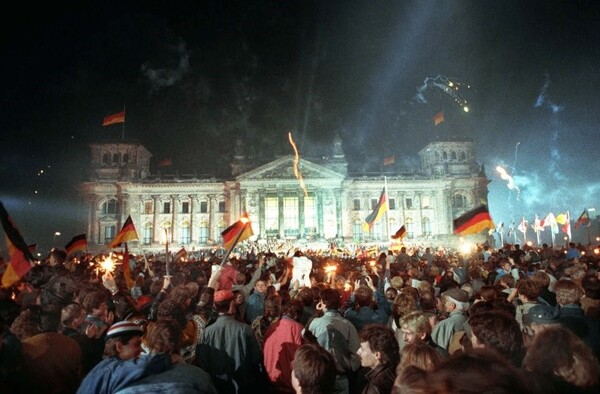
1989년 브란덴부르크 문 앞에서 서독과 동독 시민이 함께한 장면은 역사가 움직이는 순간이었다. 이듬해 이루어진 독일 통일은 한 세대가 넘는 분단을 평화적으로 마무리한 사건으로 기록되었다. 통일의 중심에는 헬무트 콜 총리가 있었다. 그는 치밀한 협상과 역사적 합의를 통해 두 체제를 하나의 민주국가로 통합하는 토대를 만들었다.
1990~1991년 진행된 통화·경제·사회통합 협상은 동독의 연방공화국 편입을 제도적으로 뒷받침했다. 이후 중앙계획경제에서 시장경제로의 대전환이 본격화되었고, 동독 지역을 재건하기 위한 대규모 인프라·지역개발 투자가 이어졌다. 이 과정은 사회 통합과 경제 재활성화의 핵심 동력이 되었다.
통일 35년이 지난 오늘, 독일은 안정과 혁신, 민주적 회복력을 갖춘 국가로 자리잡았다. 중소기업의 경쟁력, 기술혁신, 디지털 전환이 결합하며 유럽을 대표하는 수출국으로 성장했고, 경쟁력과 사회적 책임을 결합한 ‘사회적 시장경제’는 독일을 규정하는 핵심 가치로 남아 있다.
독일은 EU의 중심국가로서 민주주의, 법치주의, 다자협력, 인도주의 활동을 일관되게 지지해 왔다. 기후변화 대응과 재생에너지 확대에서도 선도적 역할을 하며 세계적 모범국으로 평가받는다. 유럽 내에서는 공동 번영과 안정의 축으로 기능하고 있다.
독일 통일은 단일한 사건이 아니라 긴 시간에 걸친 복합적 과정의 결실이었다. 통일의 주역으로 콜 총리 외에도 여러 인물이 중요한 역할을 했다.
빌리 브란트는 ‘동방정책’을 통해 동서독 간 긴장을 완화하고 협력의 기반을 마련했다. 그의 “함께해야 할 것은 하나가 된다”는 말은 통일 정신을 상징했다.
한스디트리히 겐셔 외무장관은 통일 외교를 총괄하며 국제사회의 지지를 이끌어냈다.
그레고어 기지는 동독 집권당의 민주적 전환을 주도하며 통일 이후 정치적 다양성을 확립하는 데 기여했다.
독일의 경험은 용기와 꾸준한 노력, 사회적 연대가 뒷받침된다면 분단을 극복할 수 있다는 사실을 보여준다. 이는 한반도에도 중요한 시사점을 제공한다. 안정적이고 평화로운 통일 한국은 한국뿐 아니라 아시아, 나아가 세계의 이익에도 부합한다.
이를 기념해 <아시아엔>은 동·서독의 다양한 시민들을 인터뷰했다. 이들은 통일이 자신의 삶을 어떻게 바꾸었는지, 사회는 어떻게 변화했는지, 미래에 대한 기대와 우려는 무엇인지 솔직하게 들려주었다. 그 목소리들은 정치·경제를 넘어 사회변화, 개인의 기억과 열망, 통일독일의 정체성을 입체적으로 조명한다.
이 인터뷰 시리즈는 12월 11일부터 이틀에 하나씩 연재된다.
한국 사회에도 화해와 평화적 변화의 가능성을 되새기는 계기가 되기를 바란다. 한국과 아시아, 그리고 세계는 모두 안정적이고 평화로운 한반도를 필요로 한다.
아시아엔은 귀중한 경험과 조언을 나눠준 독일 시민들에게 깊은 감사를 전한다. 이들의 목소리가 통일을 준비하는 모든 사회에 의미 있는 지침이 되기를 기대한다.
Thirty-Five Years of German Unity: A Model for Peaceful Change, Reconciliation, and Reunification
From the fall of the Wall to a leading nation in the EU-Germany’s journey continues to inspire
By Hassan Humeida
The images of West and East Germans gathering at the Brandenburg Gate in 1989 captured a historic turning point. The peaceful end to decades of division led to reunification the following year, marking one of the most significant political transformations of the 20th century. At the center of this process stood Chancellor Helmut Kohl, whose leadership, strategic negotiations, and landmark agreements laid the foundations for integrating two opposing systems into a single democratic state.
In 1990 and 1991, intensive negotiations on monetary, economic, and social union created the institutional basis for the accession of East Germany to the Federal Republic of Germany. This was followed by the monumental transition from a centrally planned economy to a market-based system. Major investments in infrastructure and regional development revitalized the eastern states, fostering growth and strengthening social cohesion.
Thirty-five years later, Germany is widely regarded as a country defined by stability, innovation, and democratic resilience. A strong network of small and medium-sized enterprises, technological advancement, and digital transformation has helped shape Germany into one of Europe’s leading export nations. Its model of a social market economy—balancing competitiveness with social responsibility—has become a defining characteristic of modern Germany.
As a key member of the European Union, Germany has consistently championed democracy, the rule of law, multilateral cooperation, and humanitarian engagement. It has taken a leading role in global climate action, energy efficiency, and renewable energy, positioning itself as a global example in sustainable development. Within Europe, Germany continues to serve as a stabilizing force, promoting integration and shared prosperity.
German reunification was not a single event but the result of a complex and multi-layered process. Alongside Chancellor Kohl, several other figures were instrumental in shaping this historic transformation.
Willy Brandt’s Ostpolitik played a decisive role in easing tensions between East and West, opening political and economic channels, and laying the groundwork for eventual reunification. His famous remark, “Now what belongs together can grow together,” came to symbolize the spirit of reconciliation that shaped the era.
Hans-Dietrich Genscher, then Foreign Minister and Vice Chancellor, was pivotal in securing international support for reunification through tireless diplomacy.
Gregor Gysi led the transformation of East Germany’s ruling party into a democratic left-wing movement, contributing to political pluralism after reunification.
Germany’s experience demonstrates that division can be overcome through courage, sustained commitment, and social solidarity. This provides valuable lessons for the Korean Peninsula. A peaceful and stable reunification would not only benefit Korea but also contribute to the security and prosperity of Asia and the wider world.
To commemorate this milestone, AsiaN conducted interviews with citizens across Germany—from both East and West, from rural regions to major cities. They shared deeply personal accounts of how reunification shaped their lives, their hopes and doubts, and their reflections on social, economic, and political change. These testimonies illuminate not only the political dimensions of reunification but also the social transformations, personal aspirations, and evolving identity of a united Germany.
The interview series will be published every two days beginning on December 11.
AsiaN hopes that these voices will encourage reflection in Korea on the possibilities of reconciliation and peaceful change. A stable and peaceful Korean Peninsula is vital—not only for Korea but also for Asia and the world.
AsiaN extends its sincere gratitude to all German citizens who shared their stories, insights, and heartfelt reflections. Their words offer meaningful guidance for all societies seeking pathways toward unity, peace, and a better future.
▼ 아시아엔 후원계좌 ▼