* 아시아엔 해외필진 기고문의 한글번역본과 원문을 함께 게재합니다.
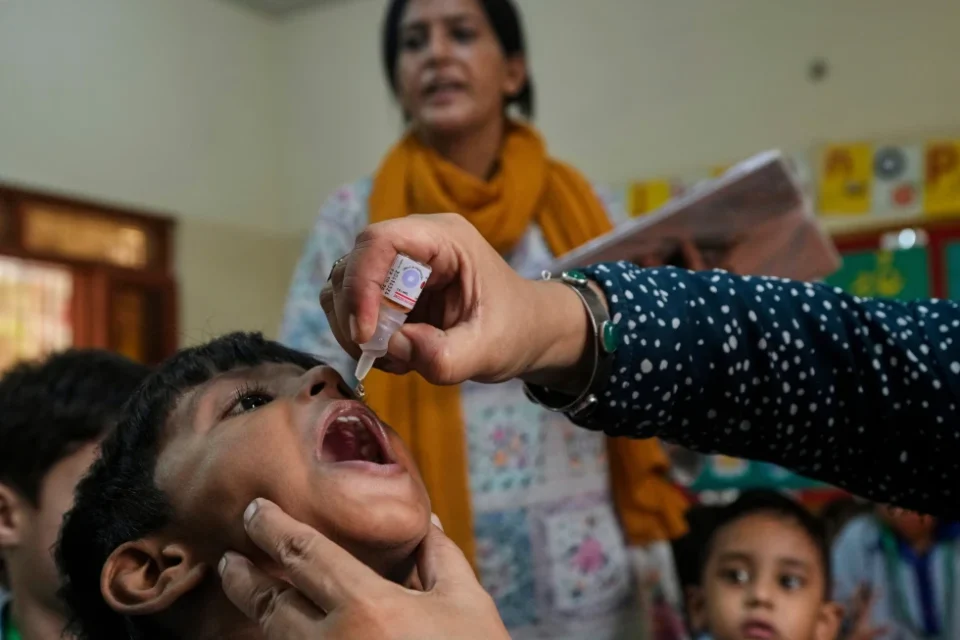
파키스탄에서 전국적인 소아마비 백신 접종 캠페인이 재개된 가운데, 무장 괴한의 공격으로 보건 인력과 경호 요원이 잇달아 희생됐다. 이달 들어 최소 세 명의 보안 인력이 별도 사건에서 사망했으며, 현지 보건당국은 백신 활동을 둘러싼 불신과 정치적 긴장, 그리고 열악한 보안 환경이 여전히 심각한 수준이라고 밝혔다.
파키스탄과 인접한 아프가니스탄은 여전히 전 세계에서 야생 폴리오 바이러스 전파가 완전히 중단되지 않은 두 나라다. 2025년 10월 말 현재 파키스탄에서는 총 29건의 야생 폴리오 확진 사례가 보고됐다. 이 가운데 카이버르 파크툰크와 주에서 18건, 신드 주에서 9건, 펀자브 주와 길기트발티스탄 주에서 각각 1건씩 발생했다. 또한 하수 등 환경 시료에서도 다수의 바이러스 양성 반응이 검출돼 확산 우려가 커지고 있다.
한동안 위험도가 낮았던 신드 주에서도 최근 타 지역에서 이주한 주민들 사이에서 신규 감염이 집중 발생해, 인구 이동이 감염 확산의 주요 요인으로 지목되고 있다.
백신팀을 노린 공격의 배경은 복합적이다. 보건 전문가들은 허위정보, 무장세력의 적대감, 종교적 반발을 주요 원인으로 꼽는다. 특히 일부 지역에서는 “백신이 서방의 불임 음모”라는 음모론이 여전히 퍼지고 있으며, 2011년 CIA가 오사마 빈 라덴을 추적하기 위해 가짜 백신 캠페인을 벌였던 사건이 여전히 불신의 상징으로 남아 있다.
분쟁 지역에서는 무장단체들이 백신팀과 동행한 보안 인력을 ‘정부 권력’ 또는 ‘외세의 상징’으로 간주해 공격을 반복하고 있다. 일부 보수 성직자들도 여성 보건요원이 가정을 방문하는 행위를 문제 삼으며 백신 접종을 ‘비이슬람적’이라 주장하고 있다.
현재 전국적으로 약 35만 명의 보건 인력이 소아마비 근절 캠페인에 참여하고 있으며, 많은 팀이 무장 경호 인력의 보호를 받고 있다. 그러나 이러한 대규모 현장 활동은 동시에 공격 표적이 되기 쉬운 구조를 만들고 있다.
정확한 사망자 수는 기관마다 다르지만, 1990년대 이후 백신 접종 활동 중 숨진 인력이 200명을 넘는 것으로 추산된다. 2023년 조사에 따르면 카이버르 파크툰크와 주에서만 2012년 이후 약 70명이 사망했으며, 2024~2025년에도 공격이 이어졌다. 가장 최근의 사건은 2025년 10월 16일 발루치스탄 주에서 발생해 경호원이 피살됐고, 교전 과정에서 괴한 1명도 사살됐다.
파키스탄 정부와 국제 보건 파트너들은 이번 공격을 강력히 규탄하고 “어린이들의 생명을 지키는 영웅들”이라며 현장 인력들에게 경의를 표했다.
Polio campaign under attack in Pakistan.
Gunmen kill vaccinators and guards as efforts to eradicate the virus continue
By Nasir Aijaz
Pakistan’s latest nationwide anti-polio campaign has once again come under deadly attack, as gunmen targeted health workers and their escorts in separate incidents this month, killing at least three security personnel. The assaults have underscored the persistent mistrust, political tension, and security challenges surrounding the country’s vaccination efforts.
Pakistan and neighboring Afghanistan remain the only two countries in the world where wild poliovirus transmission has never been interrupted. As of late October 2025, Pakistan has confirmed 29 wild polio cases — 18 in Khyber Pakhtunkhwa Province, nine in Sindh Province, and one each in Punjab and Gilgit-Baltistan. Health authorities have also detected a rising number of positive environmental (sewage) samples, signaling wider virus circulation.
Sindh Province, once considered relatively low-risk, has recently reported new cases concentrated in communities that migrated from other regions, showing how population movement continues to spread infection even into areas with stronger health infrastructure.
The motives behind attacks on vaccination teams are complex. Officials and analysts cite misinformation, militant hostility, and cultural resistance as key factors. Persistent conspiracy theories — claiming that polio vaccines are part of a Western plot to sterilize Muslim children — still circulate widely, especially in areas with low literacy. The distrust was aggravated after a 2011 CIA operation used a fake vaccination campaign to track down Osama bin Laden, an episode that left lasting scars on public perception.
In conflict-affected districts, armed militants have repeatedly targeted vaccination teams, seeing them as agents of state authority or foreign influence. Religious hardliners have also resisted door-to-door campaigns, objecting to female health workers entering homes and calling the effort “un-Islamic.”
The scale of operations has further increased exposure to danger. More than 350,000 health workers are currently participating in Pakistan’s anti-polio drive, many accompanied by armed escorts. Yet their visibility makes them easy targets, particularly in insecure or densely populated areas.
While precise fatality numbers are difficult to verify, estimates suggest that over 200 vaccination workers, police, and guards have been killed since the 1990s. A 2023 study recorded about 70 deaths in Khyber Pakhtunkhwa Province alone since 2012, with several more reported between 2024 and 2025. The most recent attack took place on October 16, 2025, in Balochistan Province, where a guard was shot dead and one attacker was killed in return fire.
Pakistan’s health authorities and global partners have condemned the violence and praised frontline workers as “heroes” defending the nation’s children.
▼ 아시아엔 후원계좌 ▼