* 아시아엔 해외필진 기고문의 한글번역본과 원문을 함께 게재합니다.
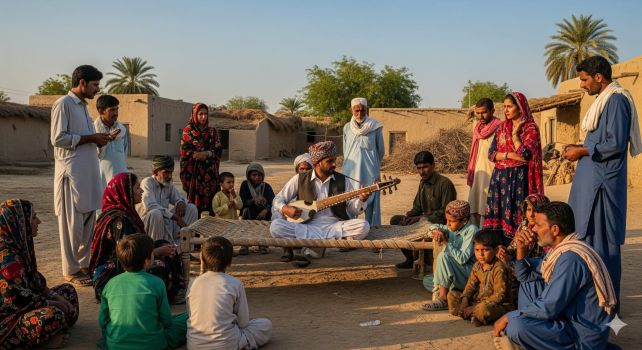
[아시아엔=압둘라 우스만 모라이(신드 출신으로 현재 스웨덴 거주) 여행가 겸 유튜브 팟캐스터] 신드(Sindh)의 역사는 고대 유적이나 비문, 왕들의 이야기 속에만 존재하는 것이 아니다. 그 중요한 일부는 민요와 민담 속에도 보존되어 있다. 대대로 전해 내려온 이 노래들은 오늘날에도 본래의 진실과 매력을 그대로 간직하고 있다. 민요는 단순한 음악이나 선율이 아니라, 신드의 과거와 사회생활, 윤리와 문화유산을 살아 있는 증거로 보여준다. 이 속에서 우리는 신드 사람들의 기쁨과 슬픔, 일상의 투쟁과 꿈을 엿볼 수 있다. 민요는 단순한 시구가 아니라, 민중의 마음과 역사를 담은 언어이다.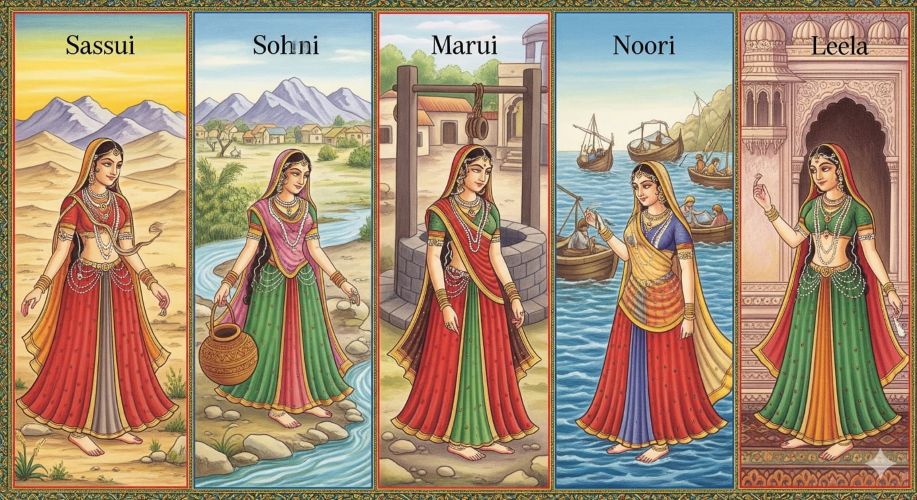
역사와 민요
신드의 여러 시대에는 공식 기록이 남아 있지 않은 경우가 많다. 이때 민요는 당시의 어려움과 사회적 조건을 이해하게 해주는 단서가 된다. 예를 들어, 순므라(Soomra) 왕조와 삼마(Samma) 왕조 시대의 민요에는 지배자의 용기와 충성, 관대함이 노래 속에 있다. 또한 사수이(Sassui), 소흐니(Sohni), 마루이(Marui), 누리(Noori), 릴라(Leela)와 같은 전설 속 여인들의 이야기가 담겨 오늘날까지 신드인의 기억 속에 생생히 남아 있다.
마루이의 이야기는 단순한 연애담이 아니라, 고향과 문화, 명예에 대한 진실한 충성의 상징이다. 민요를 통해 우리는 마루이의 용기와 인내, 그리고 땅에 대한 사랑을 배운다. 다른 노래들 속에서는 전쟁, 사회적 갈등, 인도주의적 사건들이 전해져 당시의 역사적 맥락을 이해하는 매개가 된다.
사회적 가치와 교훈
신드 민요는 인본주의와 진실, 도덕적 가치 위에 세워져 있다. 젊은 세대에게 올바른 사회적 행실을 가르치고 의미 있는 삶을 살도록 권면한다.
사랑과 충성
민요는 사랑을 단순한 감정이 아닌 깊은 인간적 가치로 표현한다. 소흐니와 메하르(Mehar)의 이야기는 위대한 희생과 사랑의 진실성을 보여준다. 누리와 잠 타마치(Jam Tamachi)의 이야기는 신분의 장벽을 넘어서는 순수하고 진정한 사랑의 예로 전해진다.
연민과 연대
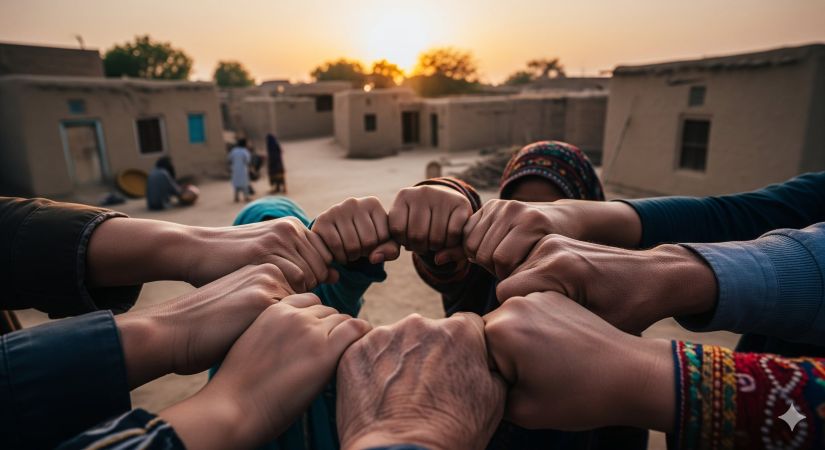
신드 민요에는 가난하고 억압받는 사람들에 대한 깊은 연민이 드러난다. 민요는 오랫동안 사회의 불의에 맞서 목소리를 내고 사람들에게 연대를 가르쳐왔다. “함께 걷기”, “한 손 되기”와 같은 표현은 신드 사회에서 연대의 중요성을 강조한다.
자연과 소박한 삶
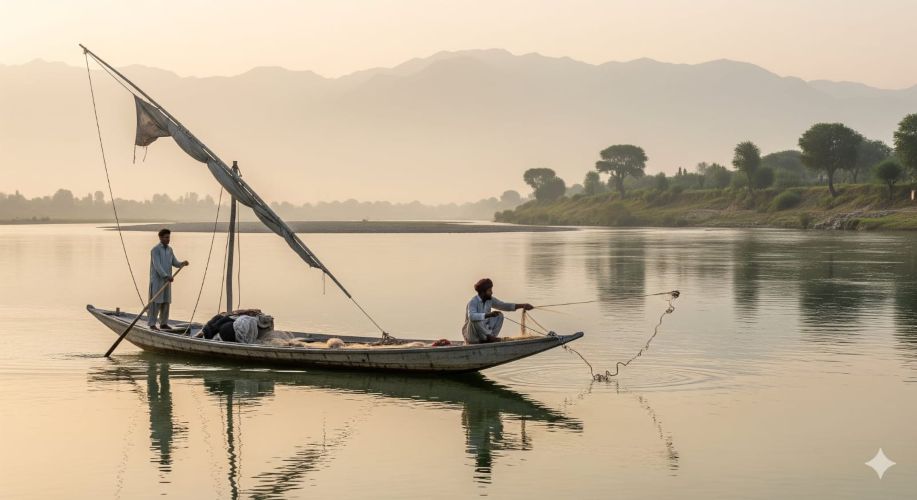
많은 민요는 신드의 아름다움, 강과 강둑, 새들의 모습을 노래한다. 인간과 자연의 깊은 유대를 드러내며 환경에 대한 존중과 보호를 일깨운다. 특히 신드의 젖줄인 인더스 강(Sindhu Daryah)에 관한 노래들은 문화적 정체성을 전할 뿐 아니라 환경의식을 심어준다.
민중의 심장 박동
민요의 가장 큰 특성은 그것이 사람들의 삶을 비추는 거울이라는 점이다. 왕이나 지배자를 찬양하지 않고 평범한 삶의 진짜 모습을 담아낸다. 결혼식과 축제, 기쁨의 순간은 물론 슬픔과 어려움의 때에도 불린다. 단순하고 정직한 언어는 누구의 마음에도 깊이 와닿는다.
민요를 통해 우리는 신드 사람들이 어떻게 살았는지, 어떤 옷을 입고 어떤 음식을 먹었으며 어떤 풍습을 지켰는지를 알 수 있다. 그래서 민요는 역사·사회학·인류학의 귀중한 자료가 된다.
보존과 미래 과제
오늘날 세계화의 시대에는 모든 것이 빠르고 즉각적으로 변한다. 이러한 상황에서 민요 보존은 큰 도전이다. 젊은 세대는 현대 음악과 문화에 더 끌리는 경향이 있다. 그러나 우리는 이 소중한 유산을 지켜야 한다. 문화기관과 학교, 언론은 민요를 적극적으로 보급하고, TV 프로그램 제작과 교과 과정에 반영할 필요가 있다. 젊은 예술가들이 민요를 현대적 방식으로 재해석하도록 장려해, 새 세대가 흥미를 느끼게 해야 한다.
민요는 단순히 과거의 산물이 아니라 현재와 미래의 중요한 요소이다. 그 속에 담긴 메시지는 우리 사회를 더 풍요롭고 평화로우며 진보적으로 만들 수 있다. 그렇기에 우리는 민요를 지켜내려는 노력을 멈추지 말아야 한다.
필자 소개
압둘라 수움로(필명 압둘라 우스만 모라이)는 파키스탄 신드주 모로(Moro) 출신으로 현재 스웨덴 스톡홀름에 거주하며 지하수 엔지니어로 활동 중이다. 신드 농업대학교(탄도 잠)에서 농업공학 학사, 스웨덴 KTH에서 수자원 시스템 기술 석사, 스톡홀름대학교에서 경영학 석사를 취득했다. 또한 신드 샤흐 압둘 라티프 대학교(카이르푸르 미르스)에서 언론학과 경제학 석사 학위를 받았다. 그는 여행기 『무사파툰(Musafatoon)』의 저자이며, 수시로 글을 쓰고 있다. 여행가로 유튜브 ‘VASJE Podcast’를 통해 팟캐스트 활동도 하고 있다.
Sindh Heritage in Folk Songs
By Abdullah Usman Morai | Sweden
The history of Sindh is not only found in ancient relics, inscriptions, or the tales of kings, but a significant part of it is also preserved in folk songs and folk tales. These folk songs, passed down through generations, still echo today with their original truth and charm. They are not merely music or melody, but living evidence of Sindh’s past, its social life, ethics, and cultural heritage. In these songs, one can see the reflections of the joys and sorrows of Sindhi people, their daily struggles, and their dreams. These are not just verses of poetry but the very language of the people’s hearts and their history.
Historical Glimpses and Folk Songs
There are many periods in Sindh’s history for which no formal written records exist. In such cases, folk songs help us understand the difficulties and social conditions of those times. For example, many folk songs from the eras of the Soomra and Samma dynasties speak of the bravery, loyalty, and generosity of their rulers. These songs beautifully narrate the legendary tales of heroines like Sassui, Sohni, Marui, Noori, and Leela, which still remain fresh in the memory of Sindhi people.
Take Marui’s story as an example; it is not merely a romantic tale, but a great symbol of truthfulness toward one’s culture, homeland, and honor. Through folk songs, we learn of Marui’s courage, patience, and love for her land. Similarly, other songs acquaint us with the wars, social tensions, and humanitarian events that occurred throughout different periods of Sindh’s history. Every word within these songs becomes a medium to understand that era’s historical context.
Social Values and Moral Lessons
Sindhi folk songs are built on the foundations of humanism, truth, and moral values. They teach the youth about good social conduct and encourage them to live meaningful lives.
Love and Loyalty
Folk songs present love not just as an emotion, but as a profound human value. The tale of Sohni and Mehar teaches us about great sacrifice and the truthfulness of love. Likewise, the story of Noori and Jam Tamachi breaks through class differences, offering an example of pure and genuine love.
Compassion and Unity
A strong sense of compassion for the poor and oppressed is evident in Sindhi folk songs. These songs have long raised their voice against growing injustices in society and have taught people to stand together. Ideas such as “walking together” and “being one hand” are repeatedly emphasized in these songs, highlighting the importance of unity in Sindhi society.
Nature and Simple Life
Many folk songs describe the beauty of Sindh, its river, riverbanks, and birds. These songs reveal the deep bond between humans and nature, teaching respect and care for the environment. For instance, songs related to the River Indus/ Sindhu daryah not only provide a sense of cultural identity but also instill environmental awareness.
The Heartbeat of the People
The greatest quality of folk songs is that they are a mirror of people’s lives. They do not glorify kings or rulers but present the real images of ordinary life. These songs are sung at weddings, festivals, and joyous occasions, as well as during times of grief and hardship. Their simple and honest language touches every heart.
Through them, we also learn how Sindhi people lived, what clothes they wore, what foods they ate, and what customs they practiced. In this way, folk songs become a valuable source for history, sociology, and anthropology.
Preservation and Future Efforts
In today’s age of globalization, where everything is fast and instant, preserving folk songs is a major challenge. The younger generation is often drawn toward modern music and culture. Yet, we must take steps to safeguard this priceless heritage. Cultural institutions, schools, and media should promote folk songs. Television programs featuring them should be produced, and schools should include them in their teaching. Young artists should be encouraged to present these songs in modern styles so that the new generation develops an interest in them.
Folk songs are not only a part of our past but also an important element of our present and future. The messages hidden within them can make our society more prosperous, peaceful, and progressive. That is why we must continue our efforts to keep them alive.
__________________
Abdullah Soomro, pen name Abdullah Usman Morai, hailing from Moro town of Sindh, province of Pakistan, is based in Stockholm Sweden. Currently he is working as Groundwater Engineer in Stockholm Sweden. He did BE (Agriculture) from Sindh Agriculture University Tando Jam and MSc water systems technology from KTH Stockholm Sweden as well as MSc Management from Stockholm University. Beside this he also did masters in journalism and economics from Shah Abdul Latif University Khairpur Mirs, Sindh. He is author of a travelogue book named ‘Musafatoon’. He writes articles from time to time. A frequent traveler, he also does podcasts on YouTube with channel name: VASJE Podcast.
▼ 아시아엔 후원계좌 ▼